Top Places to Discover in Paraguay
Paraguay rarely makes anyone's first list of South American destinations, which is exactly why it rewards the people who do go. There are no crowds at the ruins, no queues at the falls, and no sense that a place has been shaped around tourism rather than around the people who actually live there. If you are trying to work out the top places Paraguay has to offer for a first visit, this is a practical shortlist built around how the country actually connects geographically, not just a list of pretty photos.
Top places Paraguay offers: Asunción first
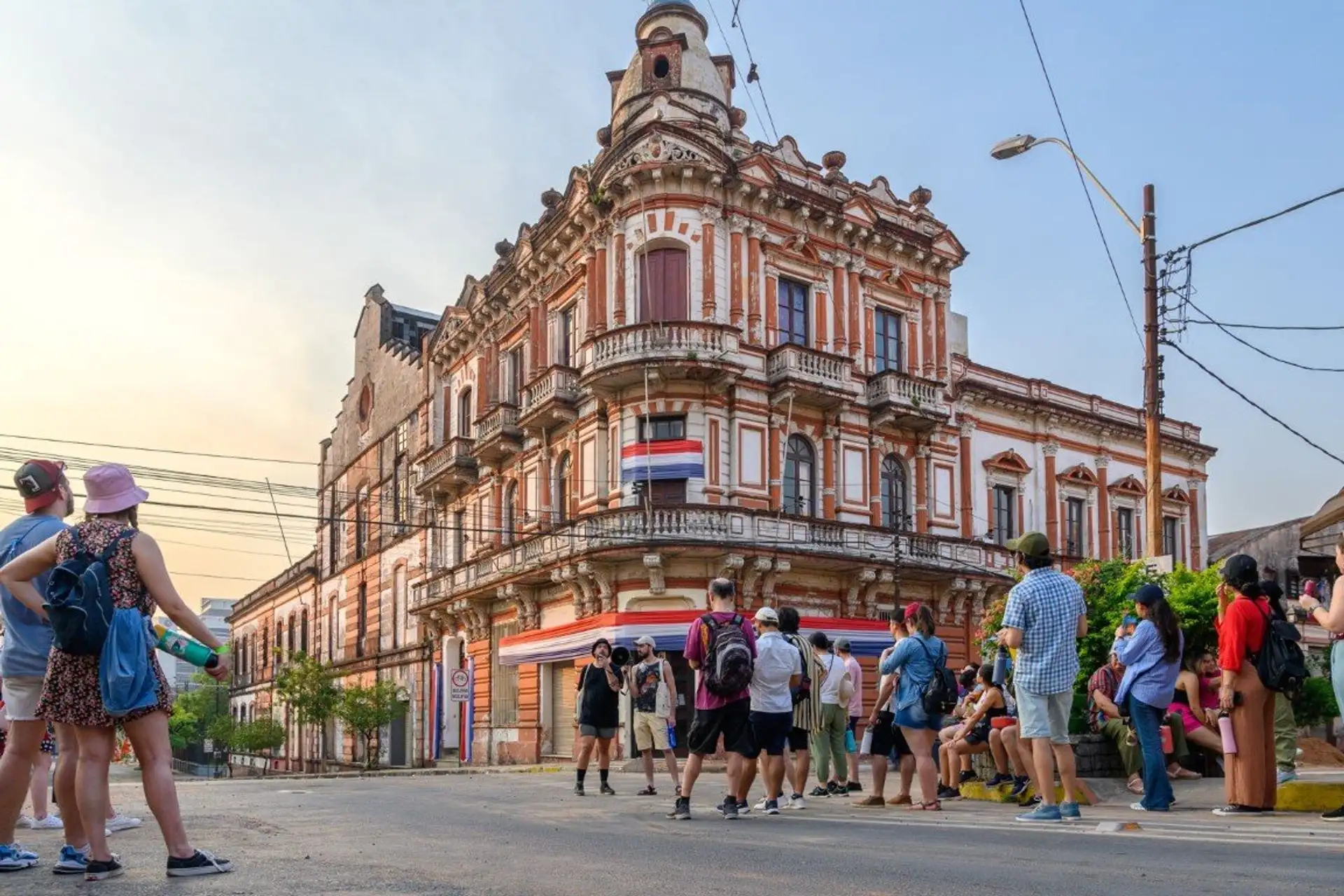
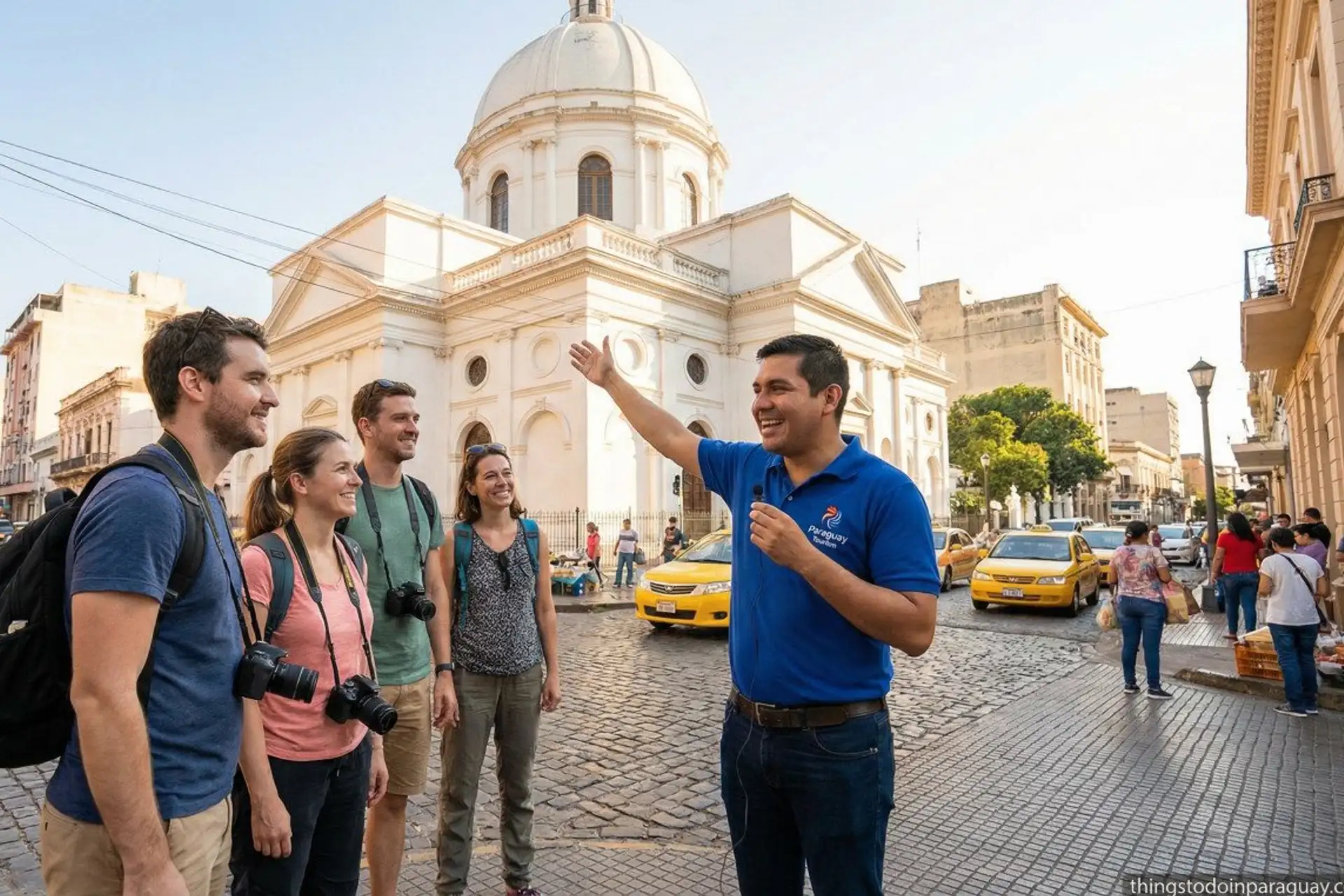
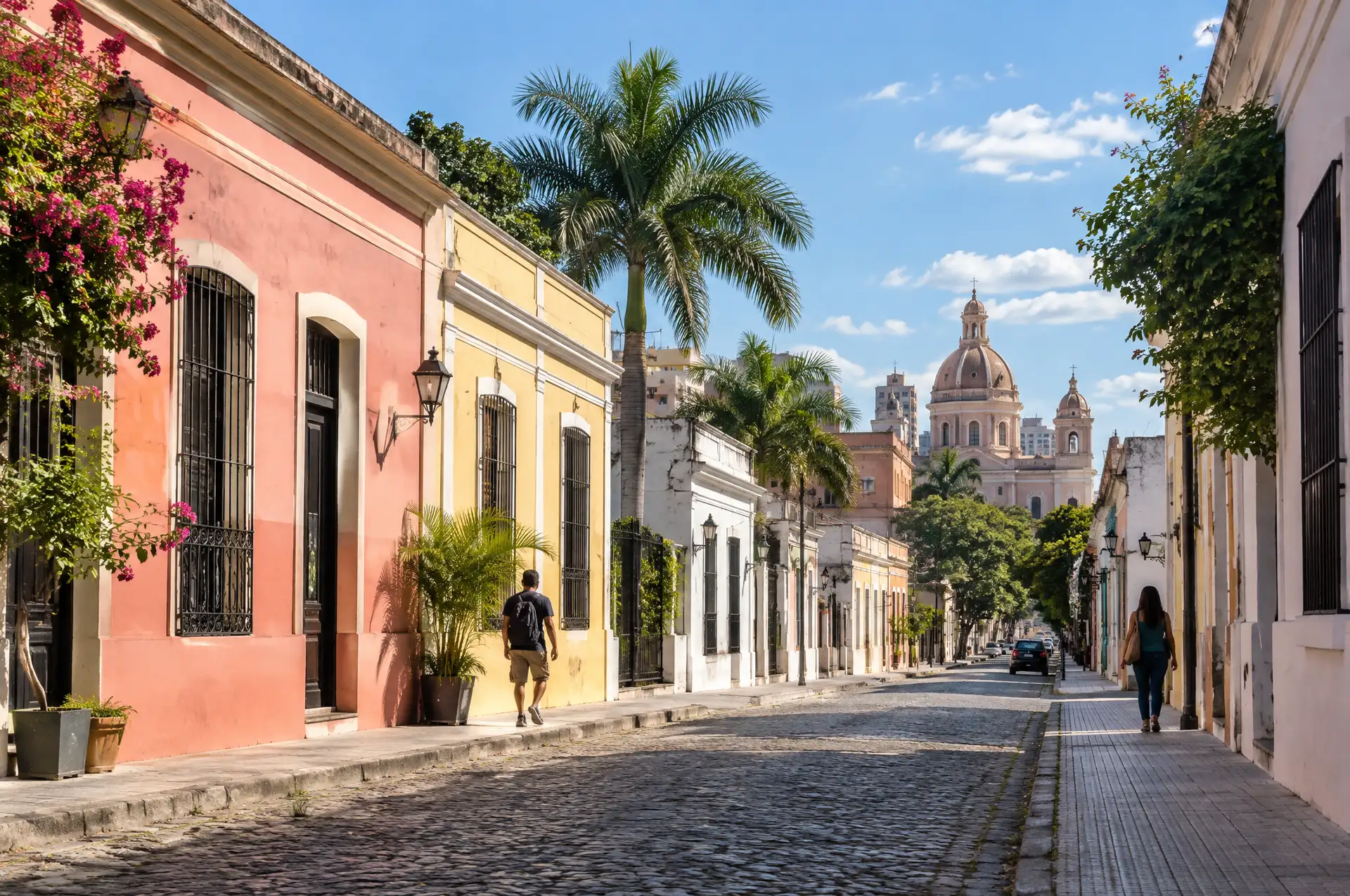
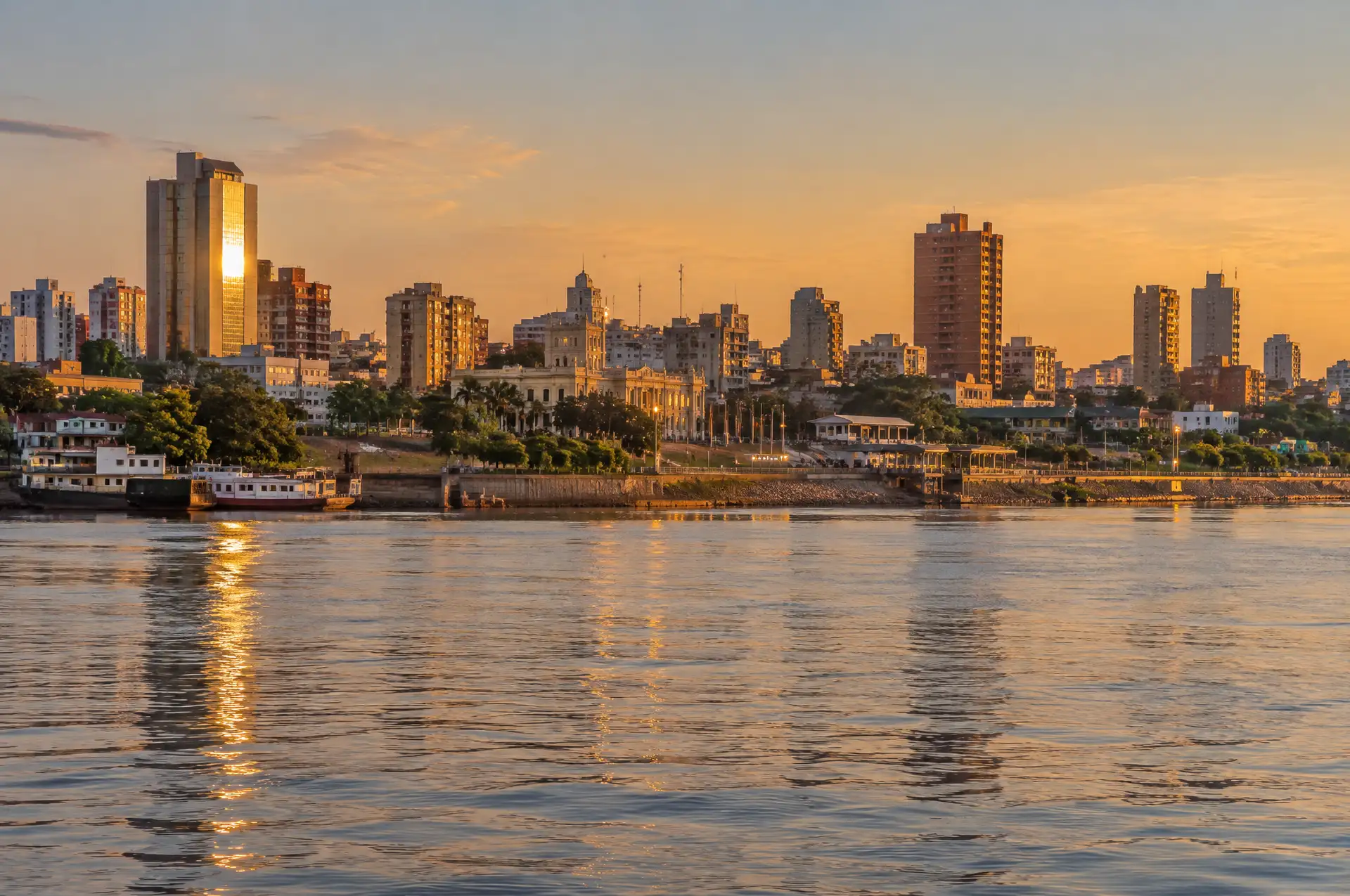
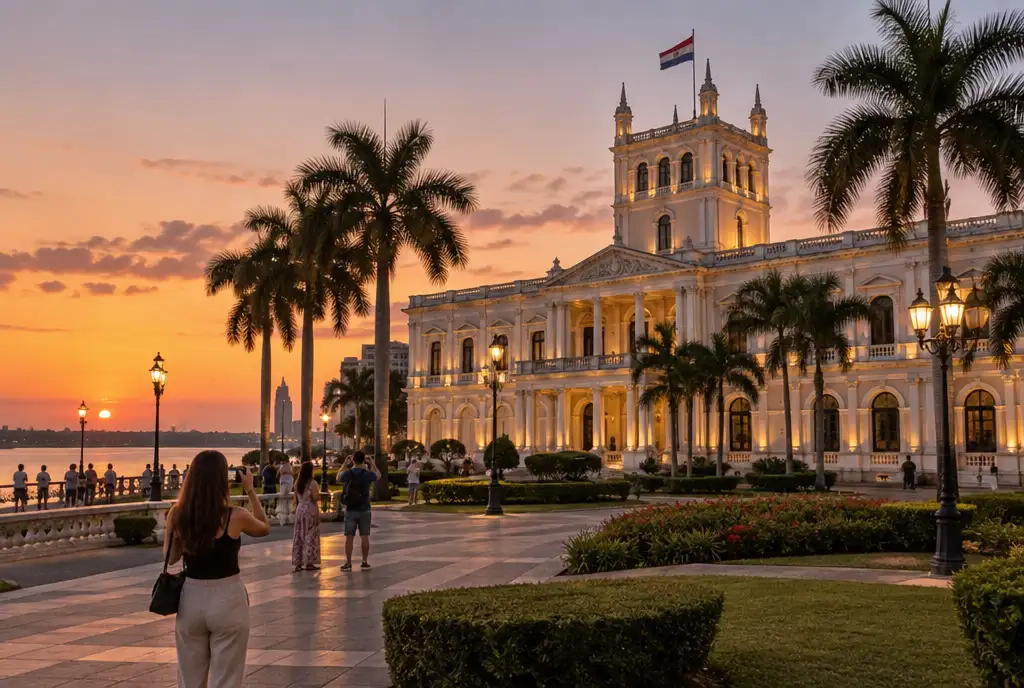
Almost every trip starts in Asunción, the capital, and it deserves more than a layover. The historic centre still has its neoclassical government palace and a scattering of older buildings along the waterfront, though much of the city is modern and low-rise by South American capital standards. Costanera Asunción, the riverside promenade, is the best place for an early evening walk, and the newer Villa Morra and Recoleta neighbourhoods have the city's better restaurants and cafés. Two or three days is enough to see the centre, eat well, and use the capital as a base for day trips before moving on. For a fuller sense of what to prioritise once you land, see our guide to what to do in Asunción.
The Jesuit missions around Encarnación
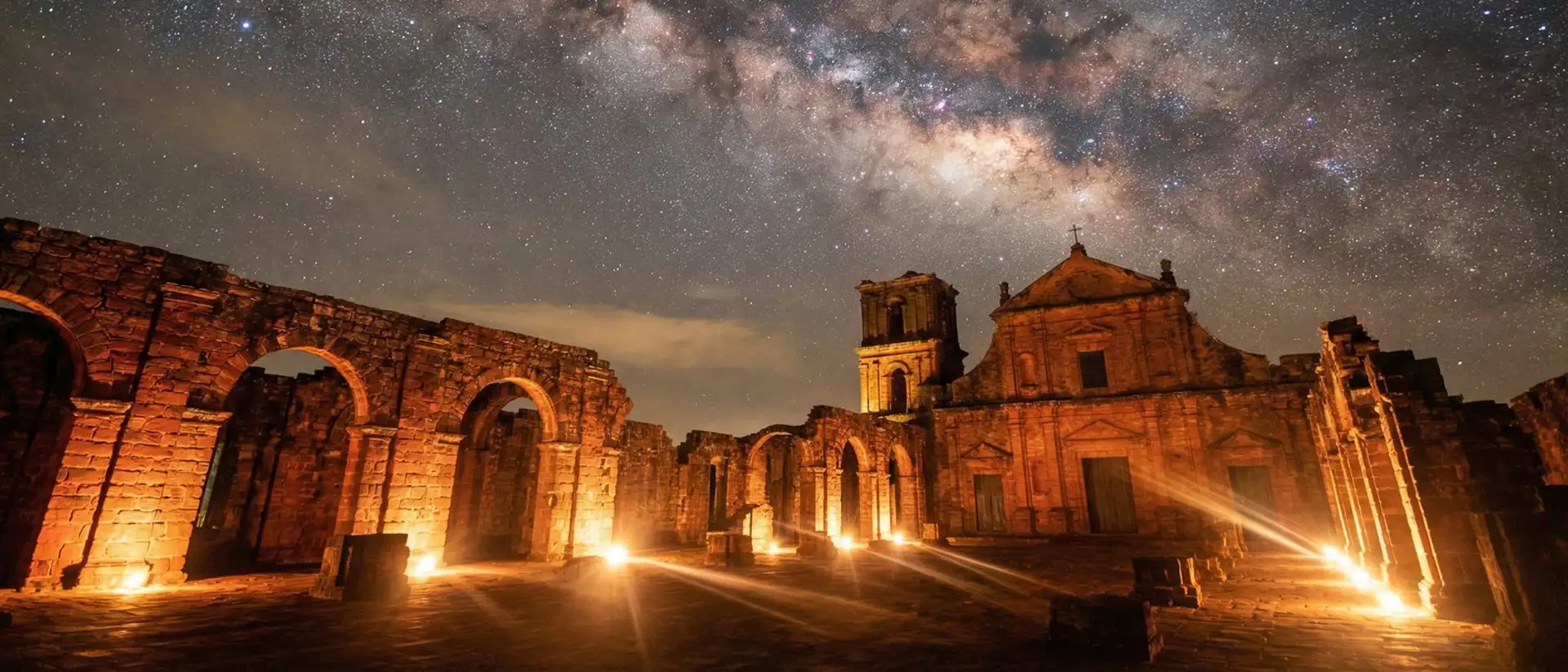
Southeast of the capital, near Encarnación, the ruins of Trinidad and Jesús del Tavarangüe are among the best-preserved Jesuit reduction sites in South America, predating and in some ways rivalling the more famous ruins across the border in Argentina and Brazil. Trinidad in particular has an intact bell tower and detailed stone carving that gives a real sense of the scale these mission towns reached in the 1600s and 1700s before the Jesuits were expelled. Encarnación itself sits on the Paraná River facing Argentina and makes a comfortable base for a night or two, with its own reworked costanera and beach club scene in summer. Read more in our Jesuit missions guide, and see the Jesuit Reductions on Wikipedia for the broader history.
Ciudad del Este and Iguazú Falls
At the eastern tip of the country, Ciudad del Este is Paraguay's second city and a major duty-free shopping hub for visitors crossing from Brazil and Argentina, but its real draw is proximity: it sits close enough to the Iguazú Falls and the Itaipu Dam that both are practical day trips. Itaipu itself is one of the largest hydroelectric dams in the world, jointly run with Brazil, and its visitor programme is worth the detour even if dams aren't usually your thing. See our guides to Ciudad del Este and Iguazú Falls for details, and Itaipu Dam on Wikipedia for background on the project.
The Chaco and the Mennonite colonies
West of Asunción, across the Río Paraguay, the landscape changes completely. The Gran Chaco is a vast, sparsely populated dry forest that stretches into Argentina and Bolivia, home to some of the best wildlife-spotting in the country and a genuine frontier feel. Filadelfia and the surrounding Mennonite colonies, settled by German-speaking migrants in the 20th century, are one of the more unexpected places anywhere in South America: working farms, cheese factories and a museum that tells the settlement's story. It is a long drive from Asunción and not a rushed add-on, more a destination in its own right for travellers with a few extra days. Our Filadelfia and the Chaco guide has route notes, and the Gran Chaco and Mennonites in Paraguay Wikipedia pages give useful context before you go.
Lake towns and the interior: San Bernardino, Caacupé and Cerro Corá
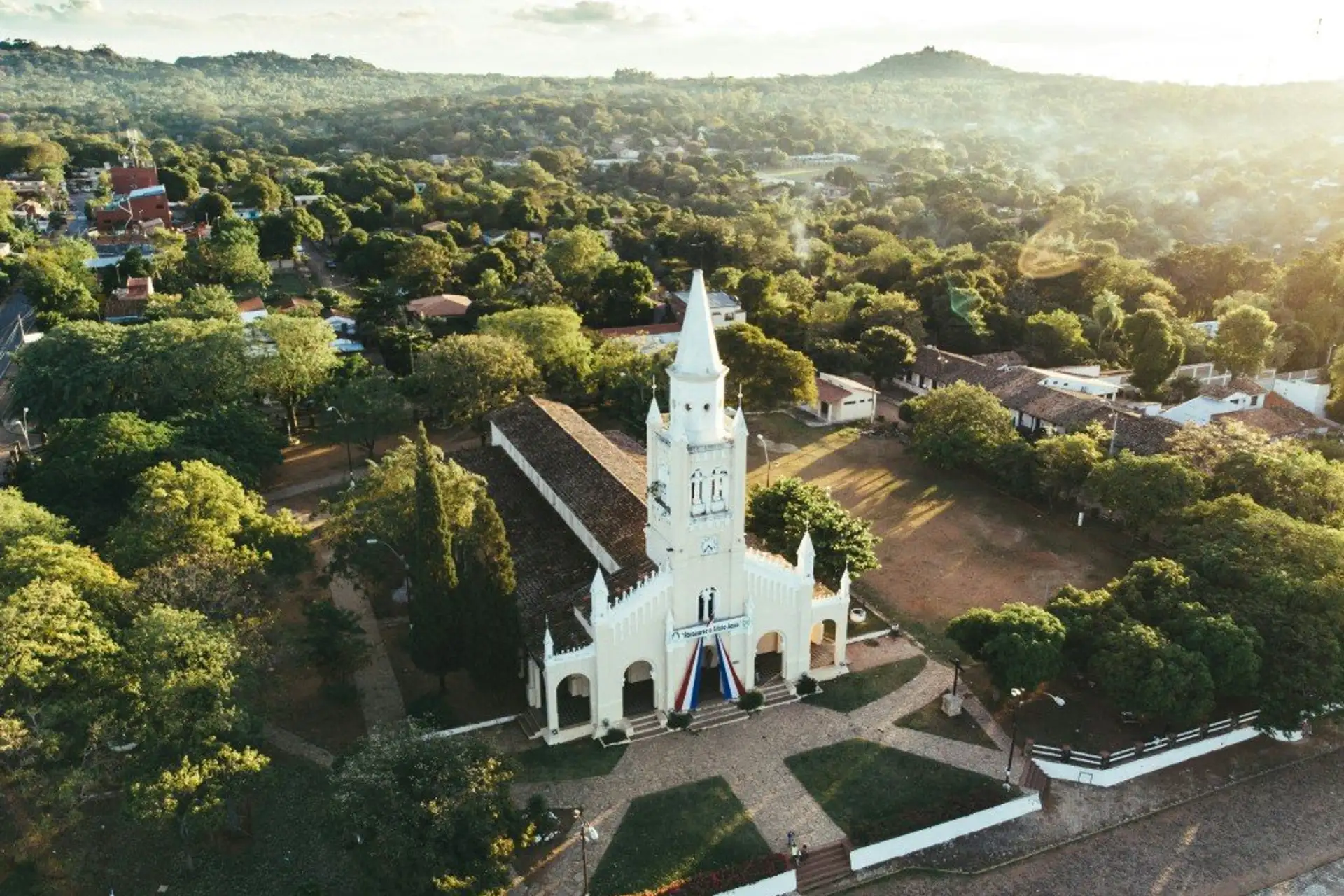
Closer to the capital, Lake Ypacaraí's shoreline towns are Asunción's traditional weekend escape. San Bernardino, on the lake's northeastern edge, has old summer houses and a relaxed, slightly faded resort-town atmosphere. Caacupé, a short drive further on, is Paraguay's most important site of religious pilgrimage, built around the Basilica of the Virgin of Caacupé. Further north, near the Brazilian border, Cerro Corá National Park protects the site where the Paraguayan War ended in 1870, alongside hiking trails through low granite hills. All three are manageable as day trips from Asunción or can be strung together into a longer loop through the interior.
Practical information
- Best time to go: April to October (Paraguay's dry season and cooler months) for comfortable travel; December to February is intensely hot and humid, especially in the Chaco.
- Getting around: long-distance buses connect all the main towns cheaply, but distances are real: Asunción to Ciudad del Este or to Filadelfia is a full day on the road, so plan accordingly or hire a driver directly for tighter itineraries (see our guide to hiring a private driver).
- What to bring: light, breathable clothing, a hat and sunscreen, insect repellent for rural and forest areas, and a reusable water bottle, since Paraguay's heat is no joke most of the year.
- Currency: the guaraní; check current exchange rates and carry some cash, particularly for smaller towns where card acceptance is inconsistent.
- Pace: don't try to do the Chaco, the missions and Iguazú in one short trip. Pick one or two regions beyond Asunción and do them properly rather than rushing all of them.
If planning the logistics yourself feels like a lot, our suggested Paraguay itinerary shows how several of these regions can be linked into one independent route, which you can shorten or stretch to the time you actually have. Spotted something out of date? Let us know.
Frequently asked questions
How many days do I need to see the top places in Paraguay?
A week gives you a comfortable loop covering Asunción, one lake or interior town, and either the Jesuit missions or the Chaco. Ten days to two weeks lets you add Ciudad del Este and Iguazú without rushing.
Is Paraguay safe for tourists?
Most visitor experiences are calm and low-incident, with the usual city-travel precautions applying in Asunción and Ciudad del Este. For current, official guidance, check the US State Department's Paraguay travel advisory before you travel, and see our own is Paraguay safe guide for more detail.
Do I need Spanish to travel around Paraguay?
It helps a great deal outside Asunción's tourist-facing businesses. Guaraní is also widely spoken, especially in rural areas, but Spanish will get you through almost any practical situation.
Can I visit Iguazú Falls from Paraguay, or do I need to go through Argentina or Brazil?
Ciudad del Este is close enough that Iguazú works well as a day trip from the Paraguayan side, with onward access to the Brazilian or Argentine sides of the falls depending on your route and visa situation. Check current border and entry requirements before you cross.
What's the single best first stop if I only have a few days?
Asunción plus one nearby excursion, either San Bernardino and Caacupé or the Jesuit missions near Encarnación if you can stretch to an overnight. Both give a real sense of the country without a long drive — see our San Bernardino trip if that's the one you pick.