Cost of Living in Paraguay: What It's Really Like for Foreigners in 2025
Ask five expats in Asunción what it costs to live in Paraguay and you'll get five different answers, and all of them will be at least partly right. That's the honest starting point for any cost of living, Paraguay-focused guide: this is a country where a taxi driver, an embassy staffer and a remote-working freelancer can be living twenty minutes apart on wildly different budgets, all of them comfortably. What follows won't give you a magic number — we don't invent figures we can't stand behind, and prices move — but it will tell you where the money actually goes.
Cost of living, Paraguay-style: housing is where the range is widest
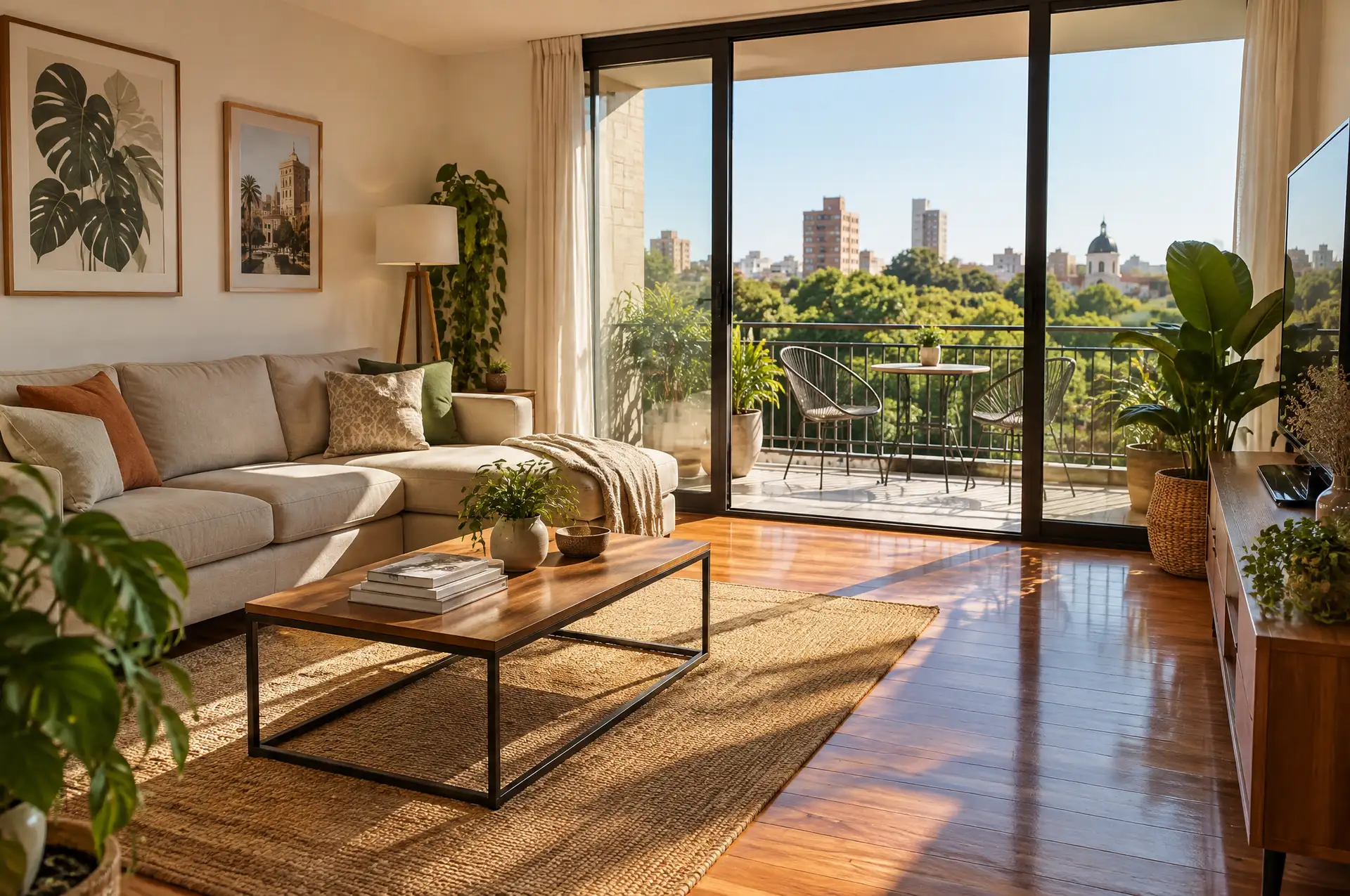
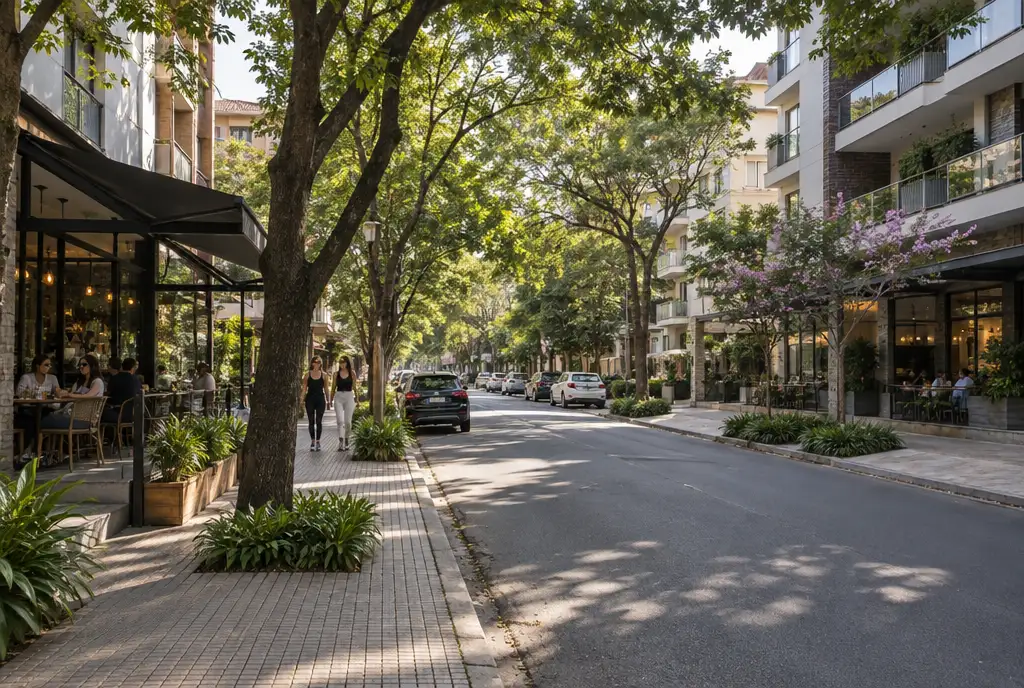
Rent is the single biggest variable in anyone's budget here, and it swings hard depending on neighbourhood. Asunción's leafier, higher-end barrios — Villa Morra, Carmelitas, parts of Recoleta — command a real premium for gated buildings, backup generators and walking distance to embassies and international schools. Move a few kilometres out, or look at up-and-coming areas instead of the established expat corridor, and the same square footage costs meaningfully less. Our breakdown of where to settle down in Asunción goes neighbourhood by neighbourhood if you're deciding where to land.
Furnished short-term rentals cost more than an unfurnished year-long lease, which is standard everywhere, but the gap can be sharper here because the long-term rental market runs on personal references and local guarantors more than credit checks. If you're arriving without either, budget extra time — and possibly extra cost — for the first few months while you build a rental history. Some newcomers hire a local agent to help; if you do, check their credentials, agree fees in writing and be wary of large upfront payments. See our notes on renting an apartment in Asunción and our apartment hunting guide for how the process generally works.
Groceries: local is cheap, imported is not
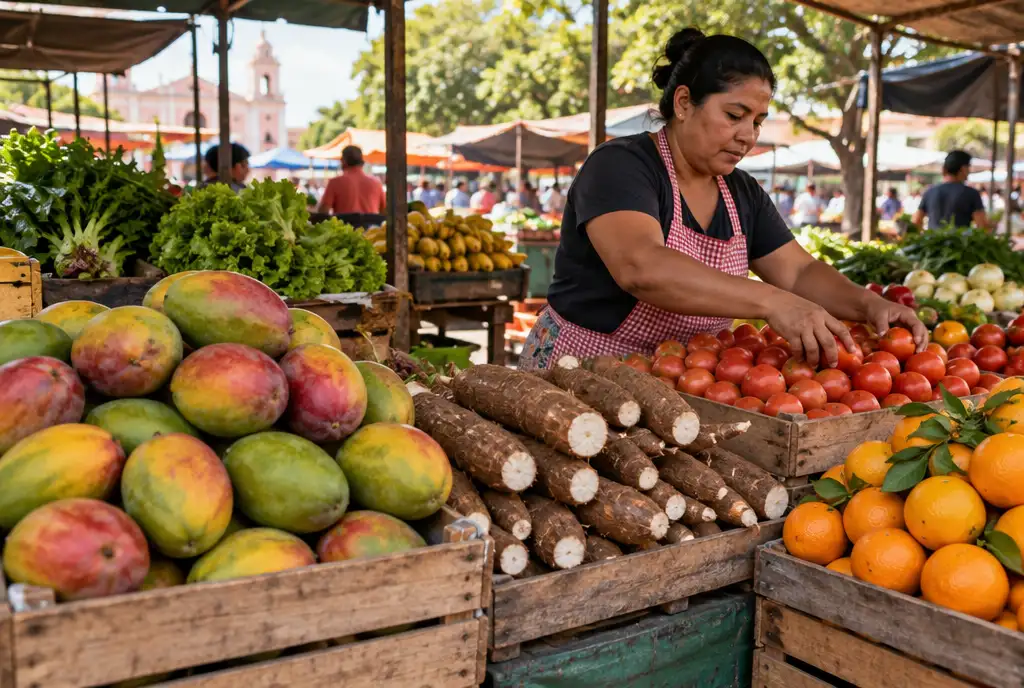
This is the split that catches newcomers off guard. Produce grown here — mandioca, fruit, most vegetables, beef — is genuinely affordable, and eating a mostly local diet keeps grocery bills low by regional standards. The moment your shopping list leans on imported brands, specialty ingredients or anything priced in dollars at the source, costs climb fast, because import duties and a smaller market both push those prices up. Expats who eat like locals report much lower food bills than expats who insist on the same supermarket brands they had back home.
Eating out follows a similar pattern: a plate at a neighbourhood parrilla or a lunch menú del día is a different budget category entirely from a meal at one of Asunción's newer international restaurants. Both exist, often within a few blocks of each other.
Transport, utilities and the everyday stuff
Public buses are cheap and cover the city, though the routes and schedules take some learning and they're not always comfortable. Ride-hailing apps and private drivers fill the gap for anyone who wants door-to-door reliability, especially at night or with kids. If you're driving yourself, fuel and vehicle import costs are worth researching separately since Paraguay's vehicle tax and import rules are their own topic.
Utilities — electricity, water, a home internet connection — are generally reasonable, though air conditioning in the punishing summer months (December through February) can push electricity bills up noticeably if you run it constantly. Mobile data is affordable and coverage in Asunción and the other major cities is solid; it thins out fast once you're in the deep interior.
One line item people forget to budget for: domestic help. Paying for a weekly cleaner, or even live-in help, is common and affordable enough here that many households that would never consider it back home end up with it as a normal monthly expense.
Healthcare and the paperwork side of settling in
Private healthcare in Asunción is good by regional standards and a private insurance plan or a direct-pay relationship with a clinic is how most expats handle it — see our healthcare in Paraguay guide for how that generally works. This is general information, not medical advice; the Ministerio de Salud Pública y Bienestar Social is the official source. Residency paperwork, document translation and the various stamps and fees along the way are a real, if smaller, cost of moving here. Our guide to how residency works explains the general process, and the Dirección General de Migraciones publishes the current requirements and fees, which change. Some people hire a lawyer or other professional to handle the paperwork; that is a personal choice, and nothing here is legal advice.
Practical information
- Biggest budget variable: neighbourhood and housing type — this swings your monthly cost more than almost anything else
- Cheapest wins: local produce, public transport, domestic help
- Where costs creep up: imported groceries, furnished short-term rentals, private international schooling
- Currency: the Paraguayan guaraní — ask your bank about the best way to move and exchange money before you arrive
- Best move before committing: rent short-term first and live like a local for a month before signing a long lease
- Check current numbers: look at current rental listings, supermarket prices and official sources for up-to-date figures rather than relying on any single blog post, since prices shift
Frequently asked questions
Is Paraguay cheaper than its neighbours?
It's generally considered more affordable than Argentina's major cities or Brazil's, particularly for day-to-day local living, though the gap narrows the more your lifestyle depends on imported goods and international-standard housing.
Can I live comfortably on a modest remote-work income?
Many people do, especially outside the very top tier of Asunción housing. The key variable is how much of your spending stays local versus imported — see our guide to working remotely from Asunción for what that setup actually looks like day to day.
Do I need a car?
Not necessarily in central Asunción, where buses and ride-hailing cover most needs, but a car becomes far more useful once you're living further out or want to explore the interior on your own schedule.
What's the biggest hidden cost newcomers miss?
The time and paperwork cost of residency and the early months of renting without a local track record. Allow time and a budget line for professional help with the paperwork if you decide you need it, and expect to spend extra time in the first months.
Are prices the same everywhere in Paraguay?
No — Asunción, especially the more established neighbourhoods, runs noticeably higher than smaller interior cities or towns, where local goods and rent both cost less.
Thinking about the move for real? Read how residency works to understand the general process, and confirm what applies to your situation with the official authority. If buying rather than renting is on the table, our guide to exploring the Paraguayan property market is a lower-pressure way to learn about neighborhoods and price ranges before committing. Spotted something out of date? Let us know.