The Jesuit Missions of Paraguay: Why You Should Add Them to Your Life-Changing Itinerary
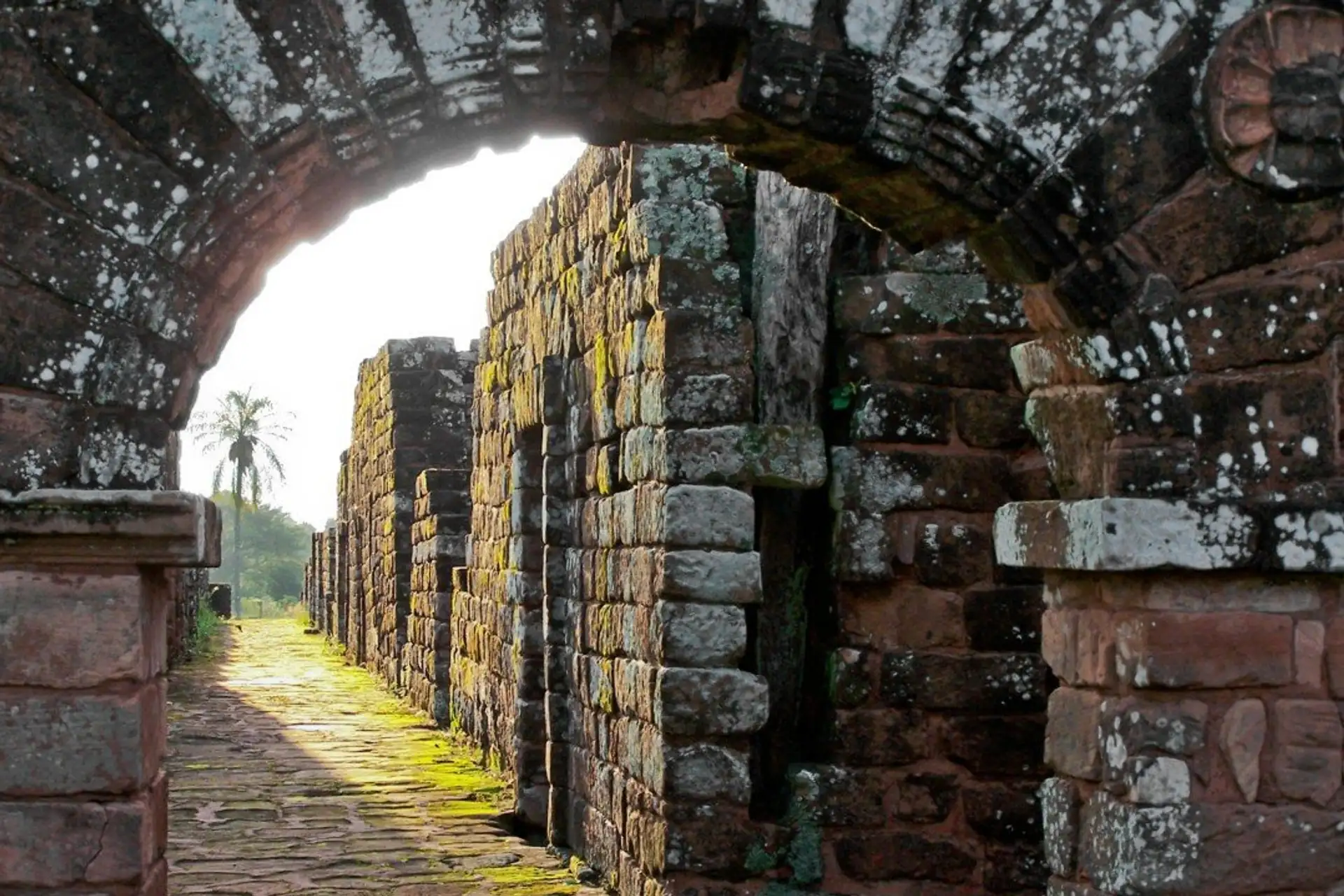
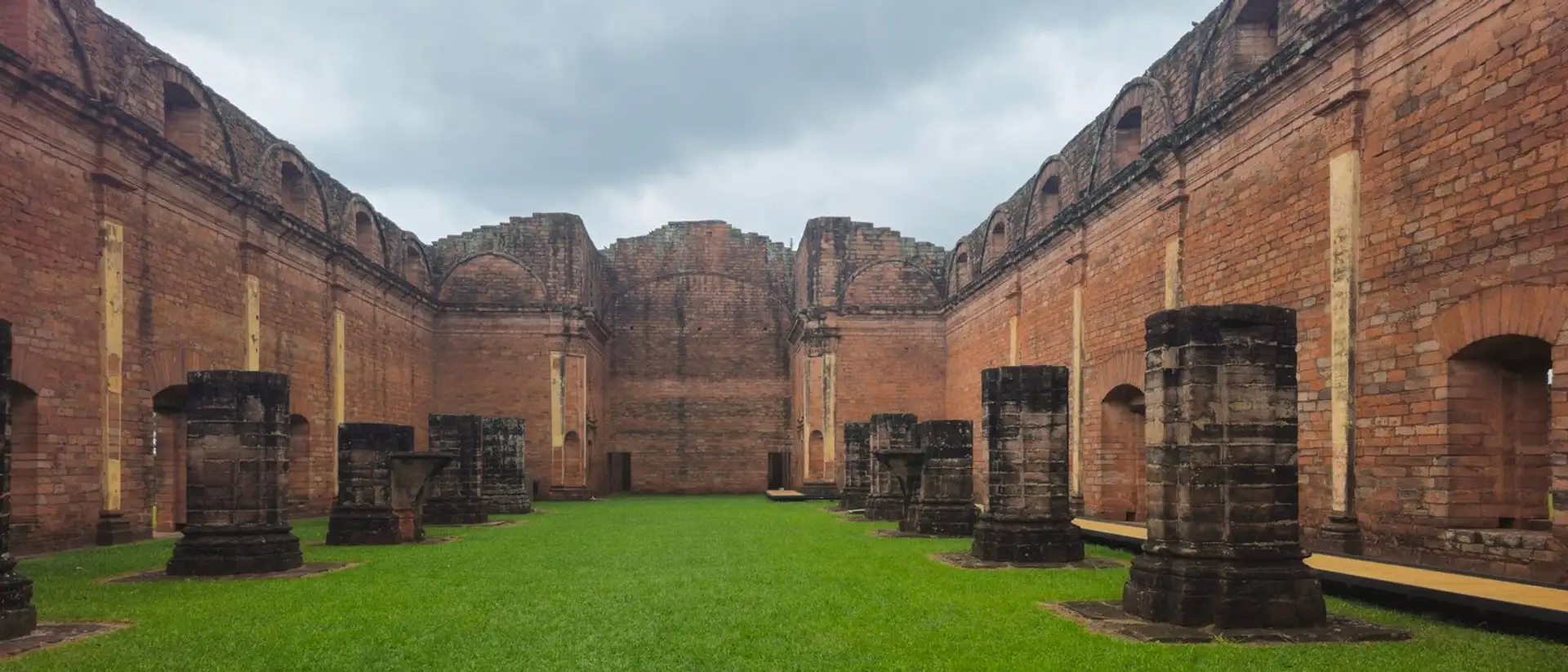
Long before Paraguay was a country, Jesuit priests and Guaraní communities built something unusual here: self-governing mission towns, part church, part town, part workshop, that ran for over a century and a half before being violently dismantled. What's left of them — weathered red sandstone arches, roofless naves, carved stone reliefs still holding their detail after three centuries outdoors — sits quietly outside Encarnación, and it's one of the most genuinely moving historical sites in the country. The Jesuit missions of Paraguay don't get the crowds of Machu Picchu, and that's exactly what makes standing among the ruins at sunset feel like something you found rather than something you were sold.
The Jesuit missions of Paraguay: what the reductions actually were
Starting in the early 1600s, Jesuit missionaries established what were called "reductions" — Guaraní settlements organised around a church, workshops, farmland and communal buildings, largely self-sufficient and run with a surprising degree of local Guaraní participation in craft, music and administration. At their peak, dozens of these towns operated across a region spanning parts of modern Paraguay, Argentina and Brazil. They ended abruptly when the Spanish crown expelled the Jesuit order from its American territories in the late 18th century, and the mission towns were largely abandoned and left to the elements soon after — which is a large part of why the ruins look the way they do today: not restored museum pieces, but genuinely old stone left to weather. You can read more background on the broader system at Wikipedia's entry on the Jesuit Reductions.
Trinidad: the site to prioritise
If you only see one mission ruin in Paraguay, make it La Santísima Trinidad de Paraná, usually just called Trinidad, a short drive from Encarnación. It's the best-preserved of the Paraguayan sites and the one recognised on UNESCO's World Heritage list, and it's large enough that you can wander for a couple of hours without retracing your steps — a full church with an intact bell tower stump, a cloister, workshop foundations, and a striking carved stone pulpit relief that's survived remarkably intact. Come in the late afternoon if you can; the low light on the red sandstone is the best reason to time your visit deliberately rather than fitting it in at midday.
Jesús de Tavarangüe: the quieter companion site
A short drive further from Trinidad sits Jesús de Tavarangüe, a smaller and less-visited mission that was still under construction when the Jesuits were expelled, which gives it a slightly different character — you can see the unfinished stonework and get a sense of how these buildings were actually put together. It gets a fraction of Trinidad's visitors, which means you'll often have the site close to yourself. Pairing the two makes for a satisfying half-day loop from Encarnación, one polished and monumental, the other raw and unfinished.
Using Encarnación as your base
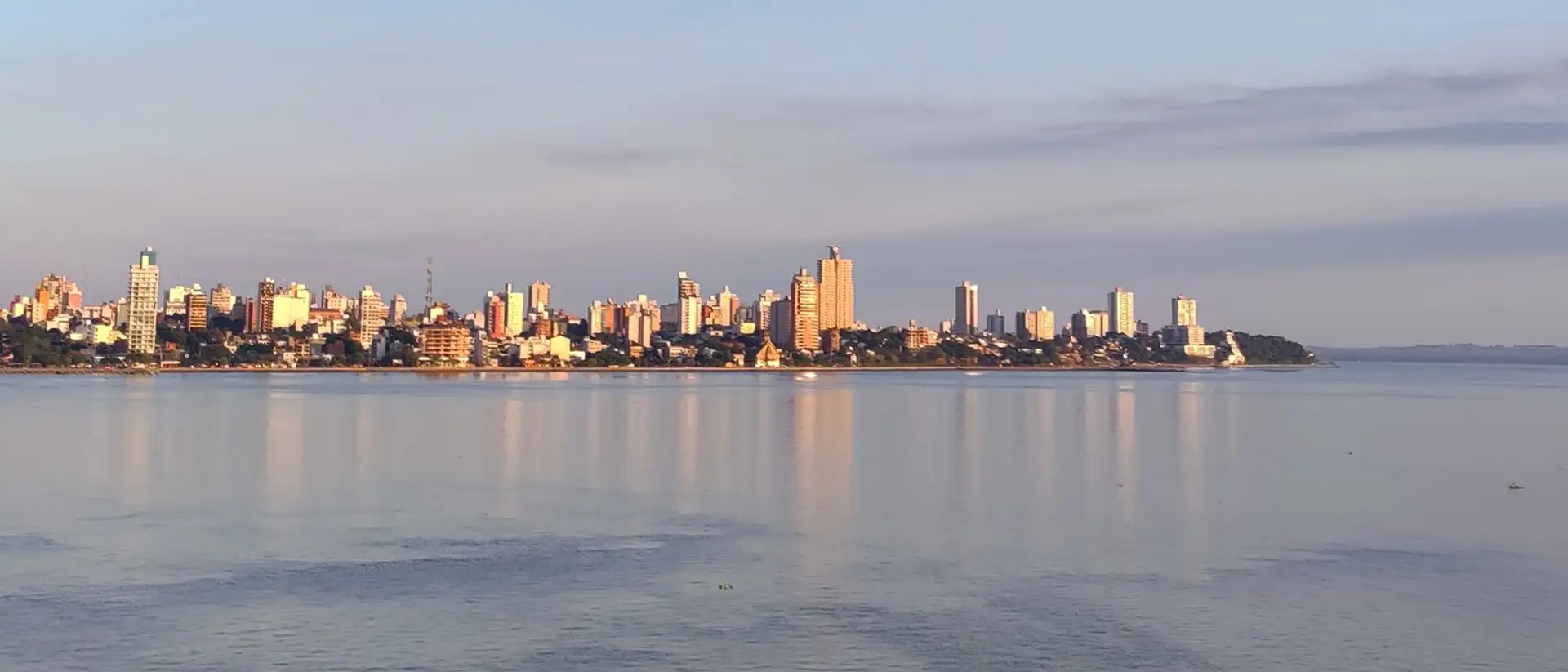
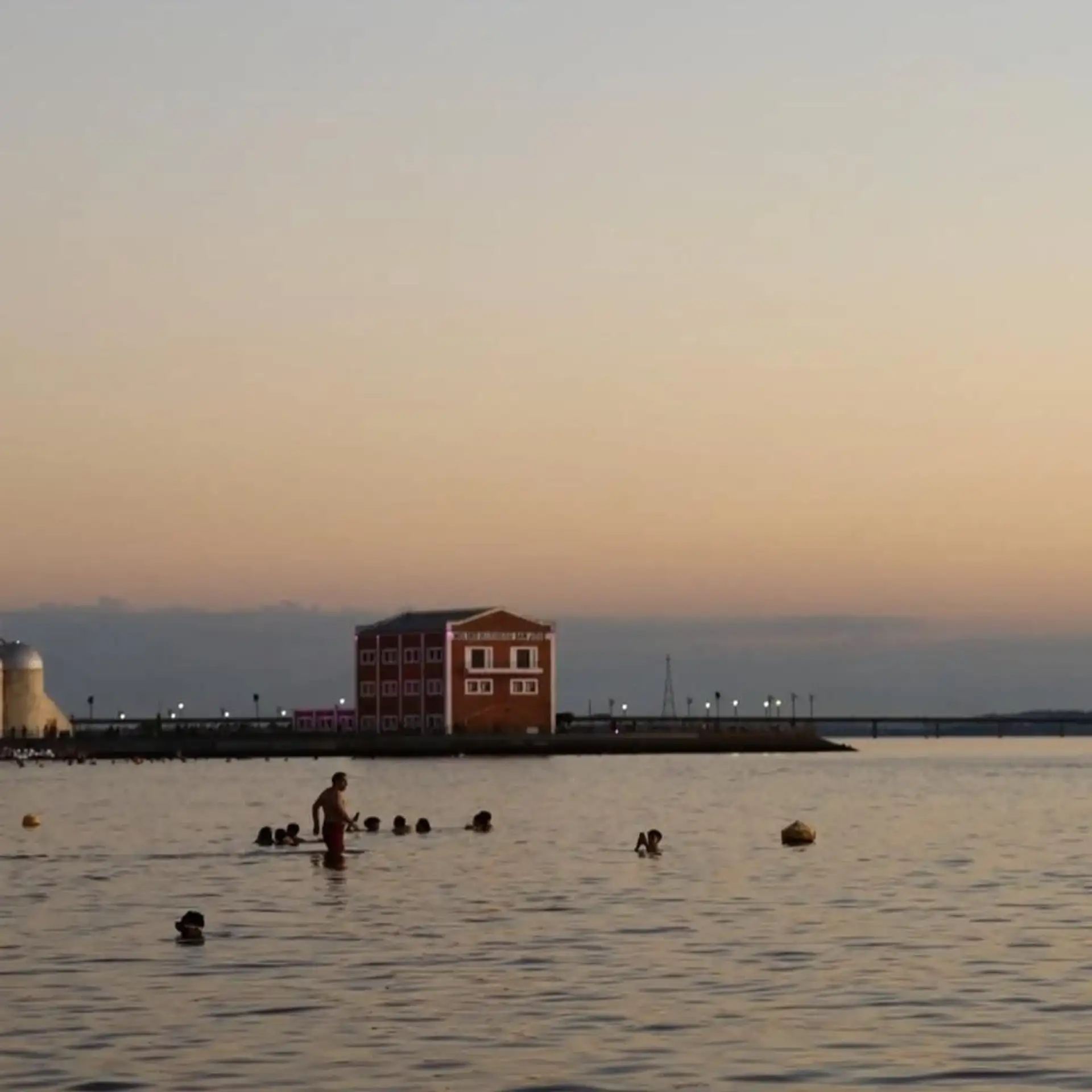
Encarnación is the obvious place to stay if you're visiting the missions, and it's worth a night or two in its own right rather than treating it as a pass-through town. It sits on the Paraná River across from Posadas, Argentina, with a rebuilt costanera (riverfront promenade) that gets lively in the evenings, and it makes a sensible base for exploring both Trinidad and Jesús de Tavarangüe without the drive from Asunción eating into your day. Buses run regularly between Asunción and Encarnación if you're not driving yourself, and from Encarnación both mission sites are a short, straightforward hop by car, taxi or organised tour. If your trip has more time, Encarnación's Carnaval season (during the South American summer) is one of the livelier events in the country and worth timing a visit around if it lines up with your dates.
Practical information
- Getting there: both sites are a short drive from Encarnación, in Itapúa department in southern Paraguay; you can reach them by rental car, taxi, a driver you hire yourself or a tour from a registered operator
- Best time to visit: late afternoon light suits the red sandstone best; mornings are cooler and quieter if you're visiting in summer
- What to bring: sun protection, water, and comfortable shoes — the ruins involve uneven stone paths and open ground
- Time needed: allow two to three hours for Trinidad alone, or a half day to see both Trinidad and Jesús de Tavarangüe
- Entry: both sites have charged an entry fee at the gate in the past — confirm current prices and opening hours before you go. Trinidad and Jesús de Tavarangüe are listed on the UNESCO World Heritage site page
Frequently asked questions
Where are the Jesuit missions in Paraguay located?
The two best-preserved sites, Trinidad and Jesús de Tavarangüe, are both close to Encarnación in Itapúa department, in southern Paraguay near the Argentine border.
Are the Jesuit mission ruins a UNESCO World Heritage Site?
Yes, Trinidad is recognised on UNESCO's World Heritage list alongside related mission sites across the border in Argentina, reflecting the shared history of the reduction system in this region.
How long should I spend visiting the missions?
A half day covers both Trinidad and Jesús de Tavarangüe comfortably. If you only have time for one, prioritise Trinidad — it's larger, better preserved, and has more to see.
Can I visit the Jesuit missions as a day trip from Encarnación?
Yes, both sites are close enough to Encarnación to visit comfortably in a single day, whether you're based there for a night or passing through en route elsewhere in the south.
Is there a guide available at the ruins?
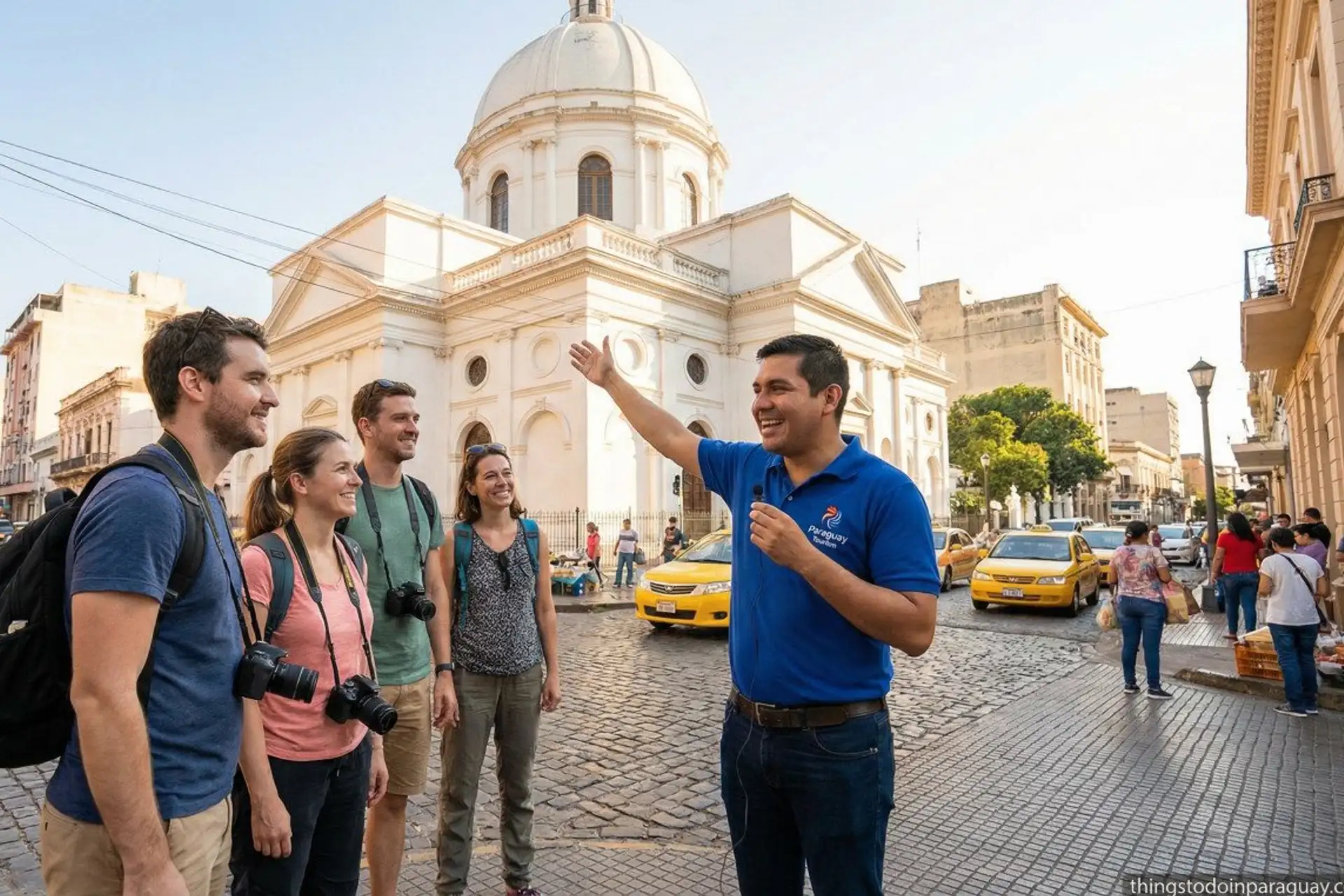
Guides are often available on-site, and a guided tour can add useful context about the reduction system that isn't always covered by on-site signage. Check current availability when you arrive. If you prefer to arrange a guide in advance, agree the price and what it covers in writing, read recent reviews and check a tour operator's SENATUR registration.
Few places in Paraguay reward slowing down the way these ruins do — walk the nave at Trinidad without a schedule and the scale of what the Jesuit missions built here starts to sink in. Want the details of how to visit? Read our Jesuit ruins visitor guide for a step-by-step look at both sites, or our guide to Paraguayan culture if you want the missions folded into a broader trip. Spotted something out of date? Let us know.