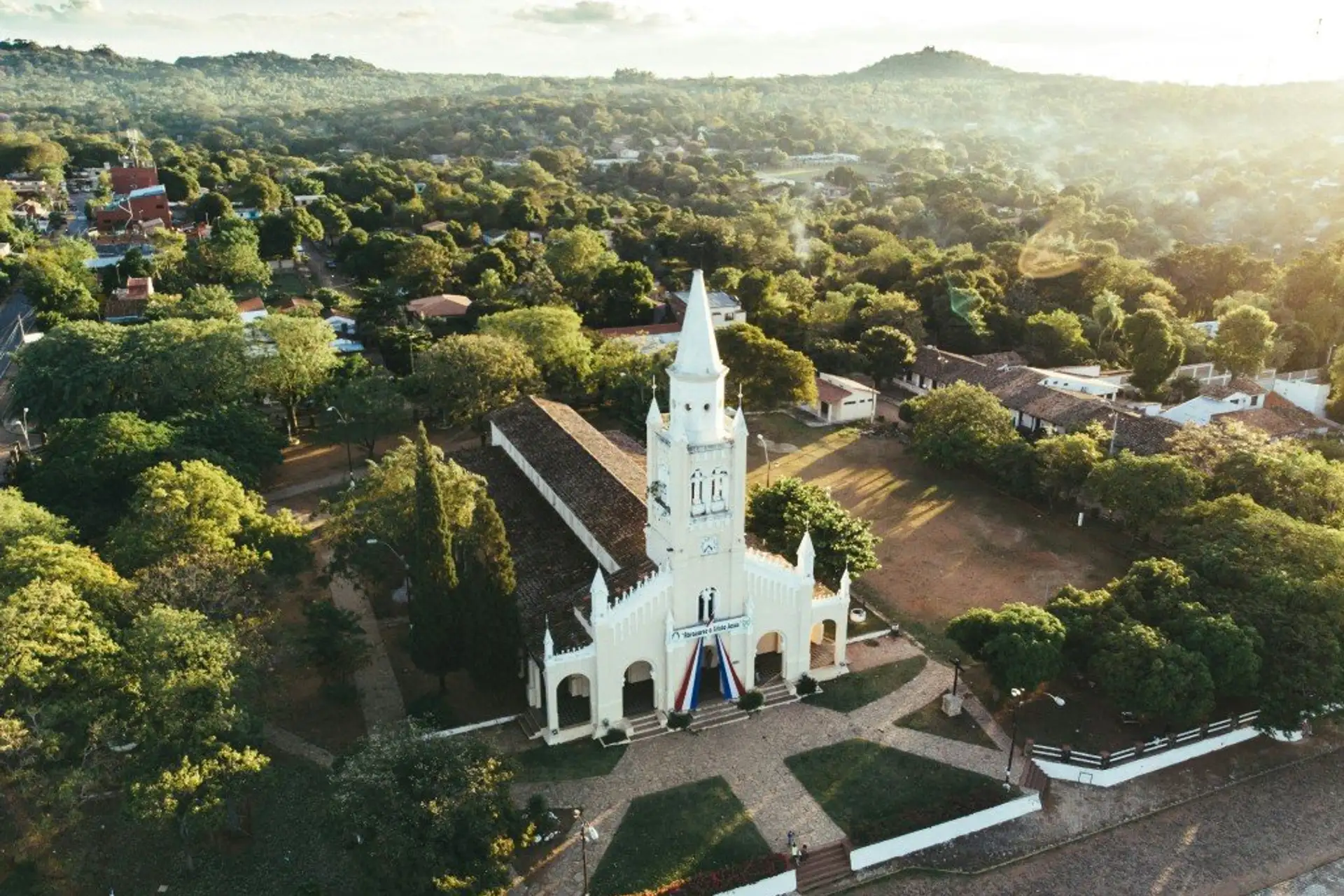
Paraguay Culture Tour: A Self-Guided Golden Circuit
The Golden Circuit: art, history and spirituality east of Asunción
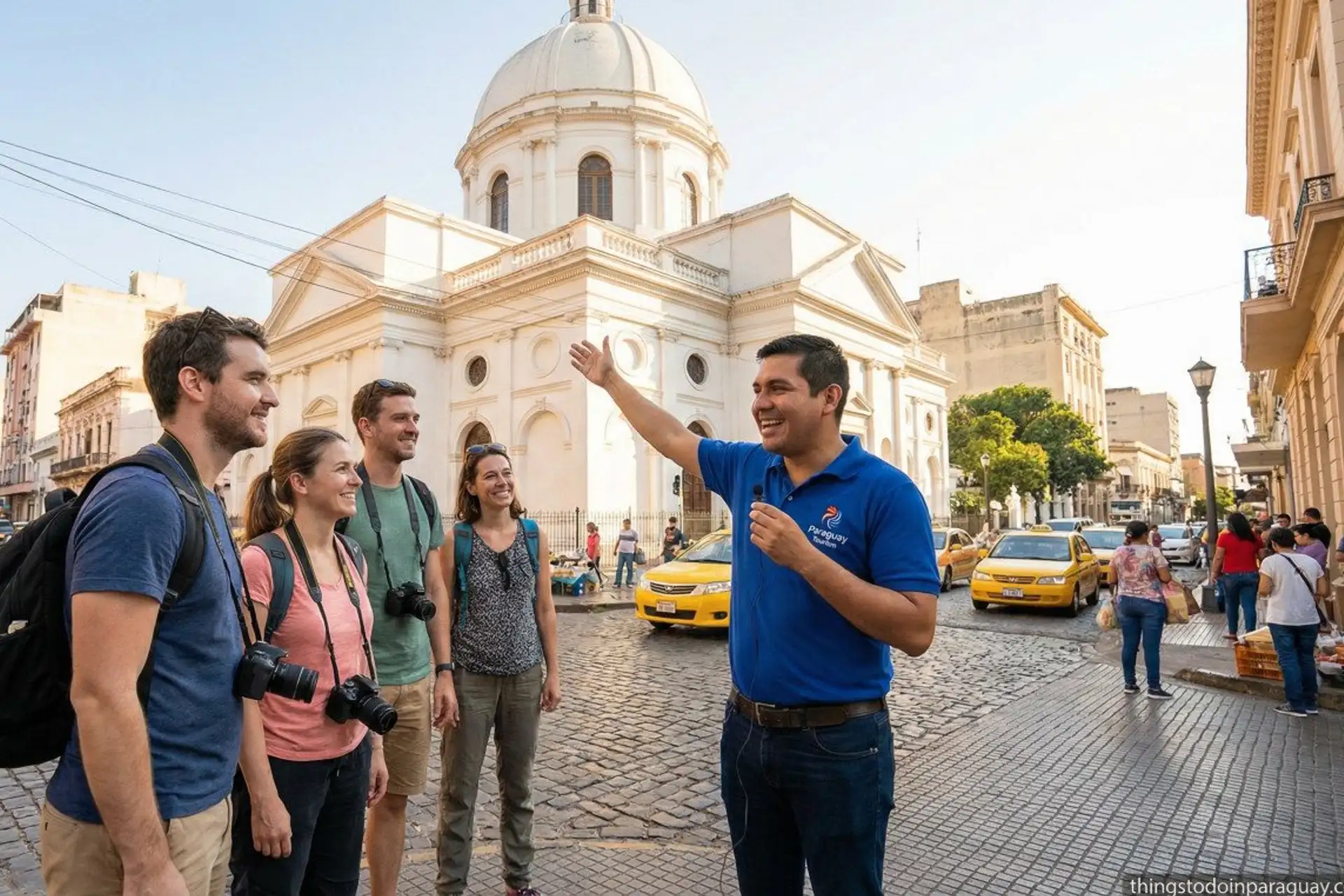
Plan your own Paraguay culture tour through Itauguá lace, the Caacupé Basilica and Areguá pottery, with transport, timing and etiquette tips.
Independent guide: we do not sell, book or arrange this trip or any service mentioned here, and no provider paid to appear. Prices, timetables and rules change — confirm them with the provider or the official source before you go.
About This Paraguay Culture Tour Guide
This Paraguay culture tour guide is independent travel information. It does not sell or arrange tours. It outlines a self-guided one-day loop through three towns near Asunción and explains how to get there, what to check and how to evaluate a local guide or driver if you decide to hire one. Opening hours, fees and transport details change, so confirm locally.
A Paraguay Culture Tour on the Golden Circuit
Asunción is the political and commercial centre of the country, but much of Paraguay's cultural identity is found in the towns around it. The "Golden Circuit" (Circuito de Oro) is the classic loop east of the capital, linking artisan towns and a major pilgrimage site: Itauguá, known for its Ñandutí lace, Caacupé, home of the national basilica, and Areguá, a lakeside town known for ceramics.
Exploring the interior on your own is entirely doable, but it helps to know a few things in advance: public transport can be crowded, plaques are mostly in Spanish or Guaraní, and some workshops are family homes with irregular hours. This guide sets out a one-day route and the practical details to check.
How to Do the Golden Circuit Yourself
Pick your transport. Local buses run from the Asunción bus terminal to Itauguá, Caacupé and Areguá (see the bus terminal guide), and travel times depend on traffic and stops. Renting a car, or hiring a car with a driver directly from a registered operator, gives more flexibility between towns. Check conditions on the day, since traffic can be heavy, especially on weekends and around pilgrimage dates.
Plan around opening times. Many workshops are family-run, with hours that vary, and some slow down on Sundays. Start early, aim to reach the first town in the morning and check what is open before you travel.
Respect the sacred sites. Caacupé is an active place of worship, so dress modestly, covering shoulders and knees, avoid loud behaviour during services and ask before photographing people at prayer. The Basilica is the centre of the national pilgrimage on 8 December, the feast of the Virgin of Miracles, when the town is extremely crowded. For more background, read the Caacupé guide.
Know what you are looking at. Ñandutí lace takes its name from the Guaraní word for spider web, and its patterns echo nature. Areguá's clay has made it a pottery town, and its lakeside promenade and colonial-era houses make a pleasant stroll. For more on the language and culture behind these crafts, Wikipedia's overview of the Guaraní language is a useful primer.
Suggested route
-
Stop 1: The lace town (Itauguá)
Itauguá is the home of Ñandutí, Paraguay's best-known textile. Visit the workshops and shops, watch the weavers at work if they are open and learn how the geometric patterns are made. Ask about the story and the time each piece takes before buying.
-
Stop 2: The spiritual capital (Caacupé)
Continue into the Cordillera hills to Caacupé, a pilgrimage town and home to the basilica of the Virgin of Miracles. Even visitors who are not religious are often struck by the scale and atmosphere. Check whether there is a lookout and what time services are held.
-
Stop 3: The creative village (Areguá)
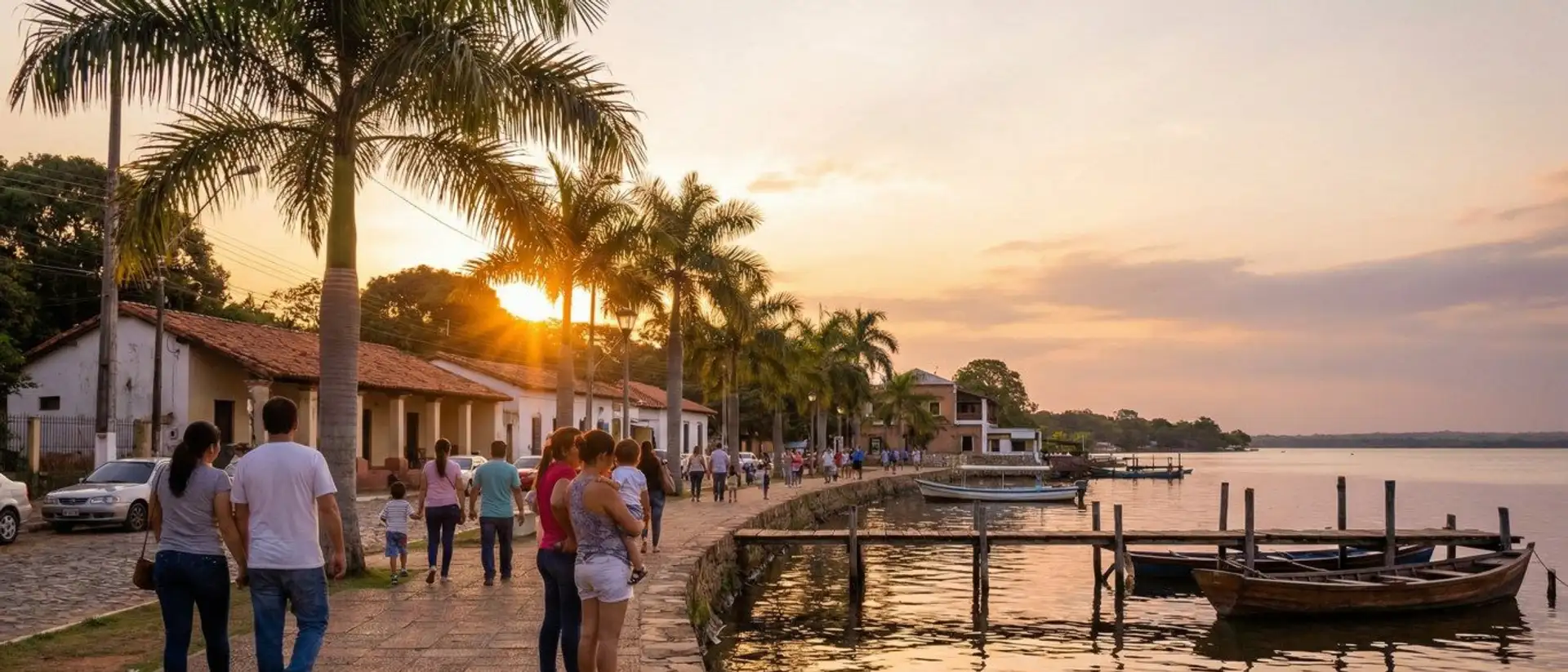
Finish in Areguá, on the shores of Lake Ypacaraí. Known for its clay soil and ceramics, the town has pottery stalls, colonial-era houses and a lakeside avenue ideal for a walk. Strawberry desserts are a local speciality in season.
Tips before you go
-
Start early
An early start gets you ahead of the heat and the crowds, especially at Caacupé on weekends and holidays.
-
Carry cash
Small workshops, craft stalls and snack vendors commonly accept only cash in guaraníes.
-
Dress for the heat and for the church
Wear light, breathable clothes that cover shoulders and knees for the Basilica, and carry a light scarf. Bring a hat, sunscreen, water and comfortable shoes for cobblestones and dirt paths.
-
Buy directly from makers
If you want to support the artisans, buy from the person who made the piece, ask about their work and be wary of roadside resellers selling identical pieces at many stalls.
-
Choose a driver or guide carefully
If you hire a driver or guide, check SENATUR registration where applicable, ask for a written price and inclusions, confirm cancellation terms and insurance and read independent reviews. Agree the route and timings before you set off.
Practical information
- Time needed
- A full day, roughly six to seven hours including stops, and longer by public transport.
- Getting there
- Itauguá, Caacupé and Areguá are all within roughly an hour or so of Asunción by road, depending on traffic. Reach them by local bus from the terminal or by car.
- Costs
- Transport, meals and any purchases are the main costs. Churches and town streets are usually free to enter, and fees at workshops or museums can change.
- Best time to go
- Mornings on weekdays are calmer. Cooler months, roughly May to September, are more comfortable. Avoid the pilgrimage period around 8 December unless you want to see it.
- Official information
- Tourist information from [SENATUR](https://www.senatur.gov.py).
Frequently asked questions
-
Is there a dress code for the Basilica?
Caacupé is a working place of worship, so cover your shoulders and knees, and avoid revealing tops or short shorts. A light scarf helps.
-
Where can I eat on the route?
Each town has restaurants and cafes serving local dishes. Bring snacks in case of delays, and check opening times, especially on Sundays and holidays.
-
How much walking is involved?
A moderate amount, walking the workshop rows in Itauguá, climbing in Caacupé and strolling the lake avenue in Areguá. None of it is strenuous, but comfortable shoes help on cobblestones and dirt paths.
-
Can I buy pottery and bring it home?
Yes. Areguá's stalls sell everything from small pieces to large ceramics. Ask for padding and pack carefully for flights, and check your own country's customs rules.
-
Is it suitable for children?
Generally yes. The colourful pottery and open spaces appeal to children, but the heat and long travel can be tiring.
-
Can I see Lake Ypacaraí?
You can see it from the shore at Areguá. For more time at the lake, read the San Bernardino guide, which is a natural second day.
-
Are the artisans working every day?
Many workshops run Monday to Saturday, but hours vary and many are family homes. Check before you go and have a backup plan.
-
Are there toilets along the way?
There are facilities at restaurants, shops and the basilica, but standards vary. Carry tissues, and use facilities when you can.
Make the Most of the Golden Circuit
The Golden Circuit is one of the most accessible ways to see Paraguay's colour, faith and craft. Pair this Paraguay culture tour with a morning on the Asunción city walk or a longer stop at Caacupé, and see day trips from Asunción for other options.
Spotted something out of date? Let us know.