Caacupé – Spiritual Soul of Paraguay
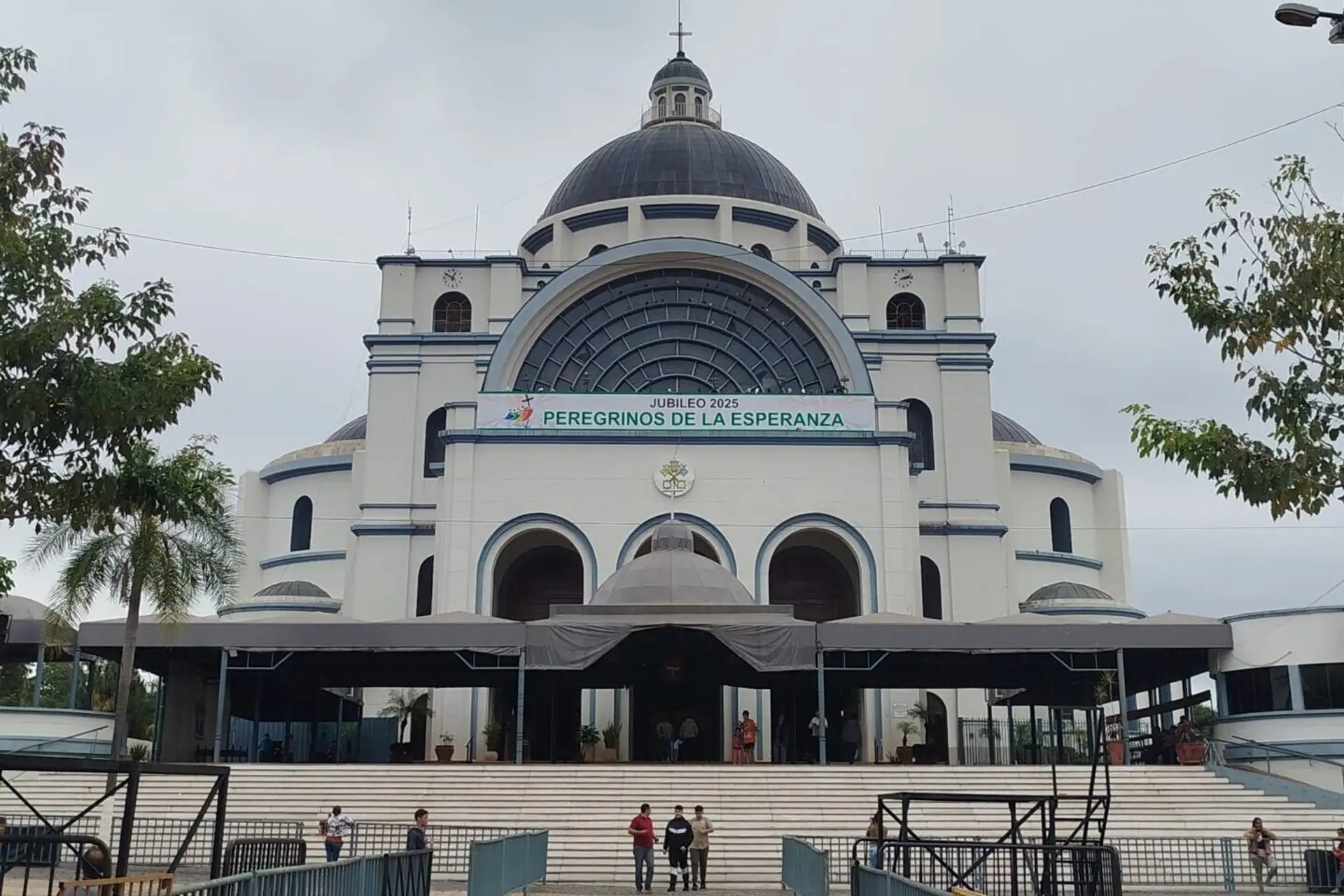
About an hour east of Asunción, in the department of Cordillera, sits a town that punches far above its size in national significance. Caacupé, Paraguay is home to the Basilica of Our Lady of Caacupé, the country's most important religious site and the destination of one of South America's largest annual pilgrimages. Even outside the peak pilgrimage season, the town is a worthwhile half-day or full-day trip from the capital, and it's the kind of place where you get a genuine sense of Paraguayan Catholic culture rather than a curated tourist version of it.
The Basilica of Caacupé
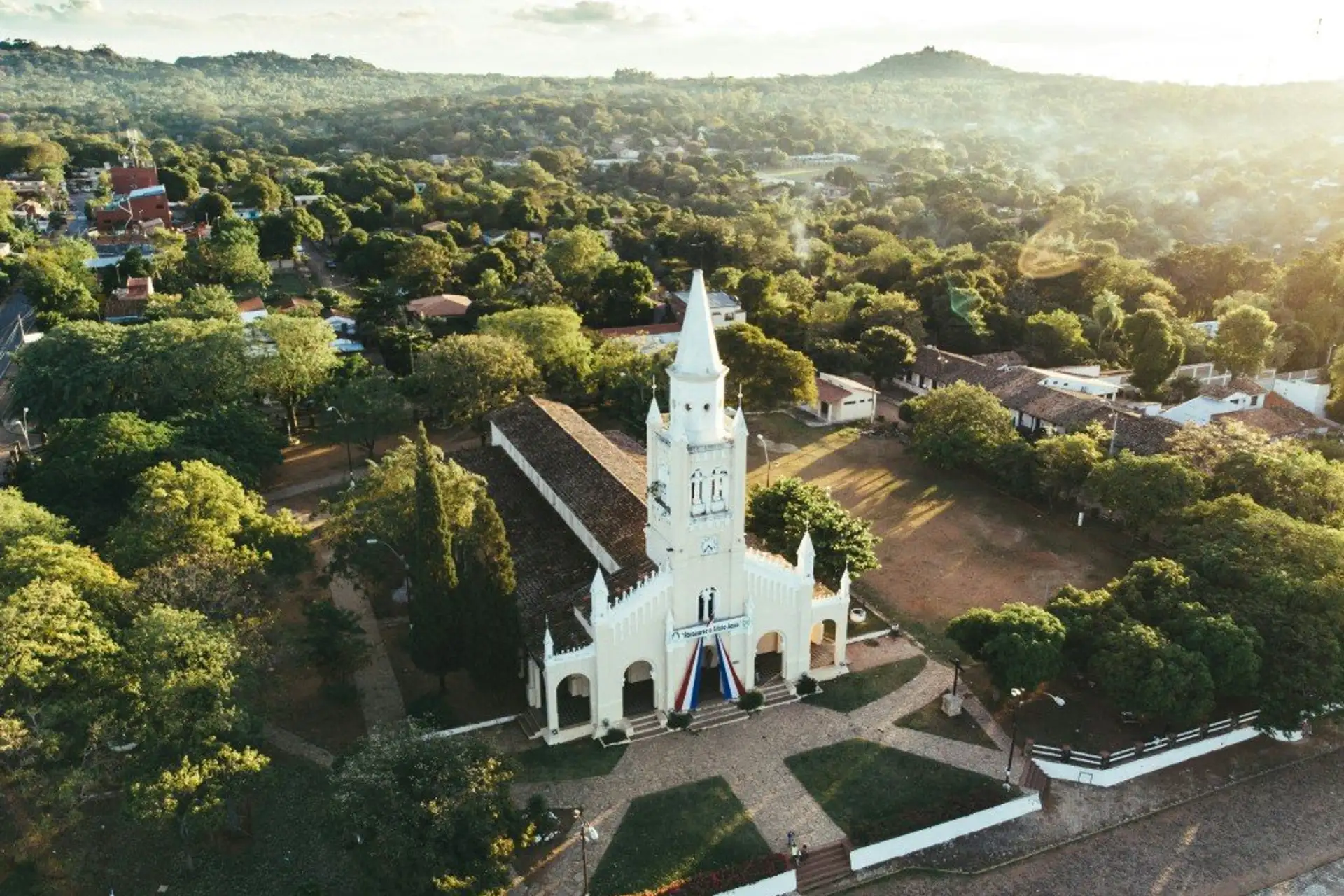
The Basílica de Nuestra Señora de los Milagros de Caacupé dominates the town's main square, an imposing domed church built to house the small wooden statue of the Virgin of Caacupé, known locally as "Tupãsy Ka'akupe", blending the Spanish Marian devotion with Guaraní language and identity in a way that reflects Paraguay's broader cultural fusion. The statue itself has a local legend attached: a Guaraní man, fleeing pursuers in the colonial era, is said to have prayed to the Virgin and been saved, later carving the statue in thanks. Whatever the precise historical details, which are worth treating as legend rather than verified history, the devotion around it is very real and centuries old.
Inside, the basilica is worth taking slowly: the architecture, the steady flow of pilgrims lighting candles, and the small chapel housing the statue itself all give a sense of why this single church matters so much to the national identity, not just religious life.
The December pilgrimage
Every year on December 8th, the Feast of the Immaculate Conception, very large numbers of pilgrims (often reported in the hundreds of thousands) converge on Caacupé, many walking for days from across the country, some completing the final stretch on their knees as an act of devotion. Roads into town fill with walkers, food stalls line the routes, and the atmosphere shifts from a quiet provincial town to the biggest gathering in the country. If your trip lines up with early December, it's an extraordinary thing to witness, though it also means the town is at its most crowded and logistics (traffic, accommodation, parking) need real planning. Check current road conditions and closures before driving out that week.
Outside of pilgrimage season, Caacupé is a calmer, easier visit, and you can explore the basilica, the square, and the town's modest shops without the crowds.
Beyond the basilica
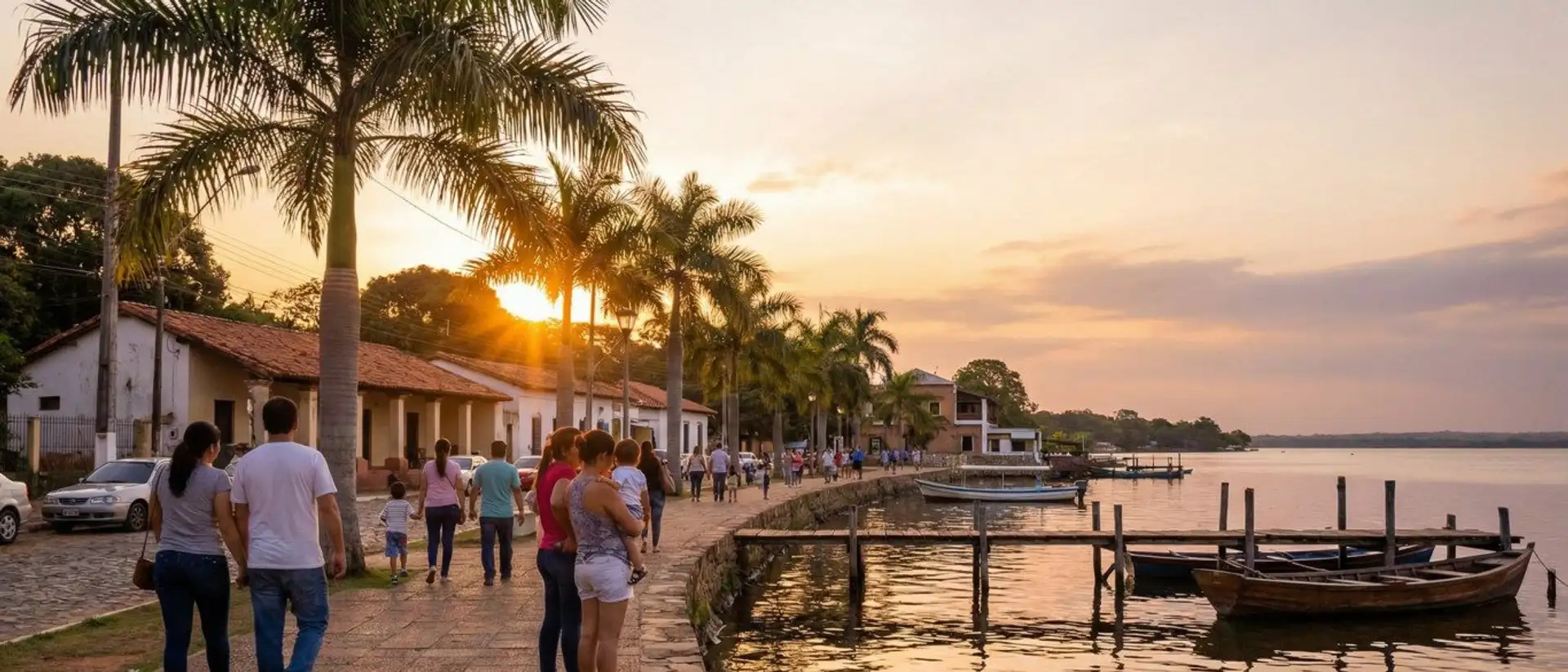
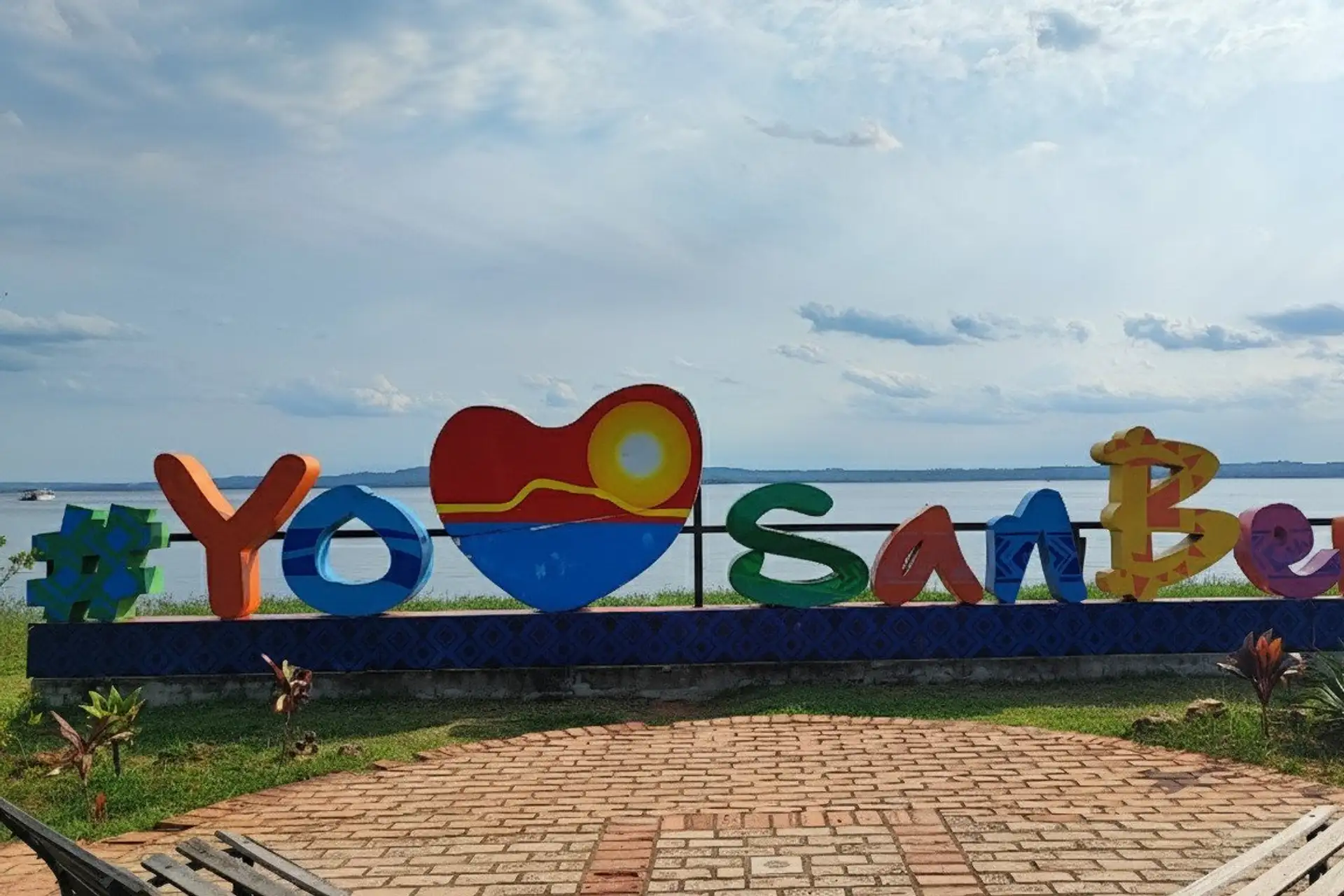
Caacupé itself is a small town, and most visitors treat it as a focused visit to the basilica plus a walk around the plaza and nearby streets, where you'll find vendors selling religious souvenirs, ñandutí lace (a traditional Paraguayan handicraft associated with this region), and simple local food. It pairs naturally with a broader day trip through the Cordillera department, which also includes San Bernardino on the shores of Lake Ypacaraí, making it easy to combine both in a single day out from Asunción.
Practical information
- Location: Caacupé, Cordillera department, about 54 km (roughly an hour's drive) east of Asunción
- Main sight: the Basílica de Nuestra Señora de los Milagros de Caacupé, on the town's central plaza
- Best time to visit: any time for a quiet, reflective visit; December 8th for the major pilgrimage if you want to witness it, though expect very heavy crowds and traffic
- What to bring: comfortable shoes, modest clothing appropriate for visiting an active place of worship, cash for small vendors, and water if visiting during the pilgrimage
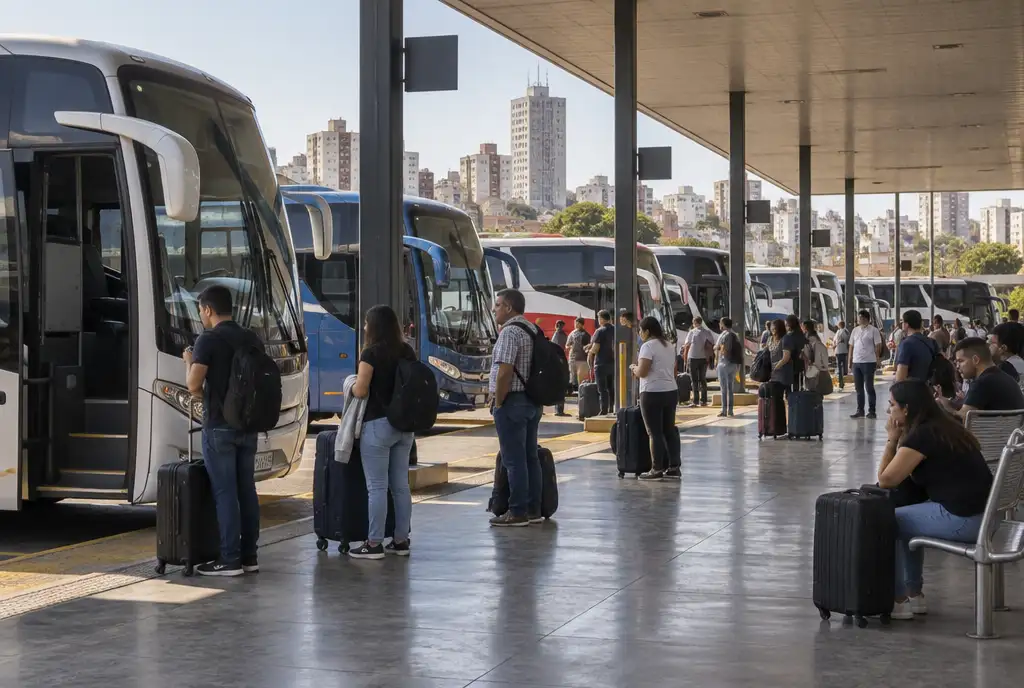
- Getting there: by car, a hired driver or an organised tour from Asunción; public buses also run the route from the Asunción bus terminal, though schedules and fares should be checked directly with operators
- Combine with: a stop in San Bernardino on Lake Ypacaraí for a fuller day trip through the Cordillera department
A living tradition
Caacupé is worth visiting even if you're not religious, simply for how central it is to understanding Paraguayan identity: the blending of Guaraní language and pre-colonial reverence with Spanish Catholic tradition shows up here more visibly than almost anywhere else in the country. For more on the town's religious history, see the Wikipedia entry on Caacupé, and for wider context on Guaraní language and culture, the Wikipedia page on the Guaraní language is a useful companion read.
Frequently asked questions
What is Caacupé famous for?
Caacupé is Paraguay's most important site of Catholic pilgrimage, home to the Basilica of Our Lady of Caacupé and the destination of a massive annual pilgrimage each December 8th, drawing pilgrims from across the country and neighbouring nations.
How far is Caacupé from Asunción?
It's roughly 54 kilometres east of Asunción, normally about an hour's drive depending on traffic, making it a comfortable half-day or full-day trip from the capital.
Is Caacupé worth visiting outside of the December pilgrimage?
Yes, the basilica and town square are worth seeing any time of year, and visiting outside the pilgrimage gives you a much quieter, more contemplative experience without the crowds and traffic of the peak dates.
Can I combine a visit to Caacupé with other nearby towns?
Definitely. Caacupé sits in the Cordillera department close to San Bernardino on Lake Ypacaraí, and day trips from Asunción commonly combine both towns, and you can do the same on your own with a car or by bus.
Do I need to dress a certain way to visit the basilica?
As with any active place of worship, modest dress (covered shoulders, no beachwear) is appreciated, especially if you plan to go inside during a service or a busy pilgrimage period.
Looking for more ideas within reach of the capital? Read our guide to day trips from Asunción you can do yourself. If you decide to hire a driver or guide, agree the price, inclusions and cancellation terms in writing and check any operator's SENATUR registration. Spotted something out of date? Let us know.