Exploring the Soul of Ciudad del Este
Exploring Ciudad del Este for the first time tends to scramble people's expectations. This isn't a colonial city with a leafy plaza and a slow café culture — it's Paraguay's second-largest city, a commercial engine built on cross-border trade, and the gateway to one of the largest hydroelectric dams on earth. It rewards a visitor who comes with a plan rather than one who wanders in expecting a typical tourist town. This page is an independent guide; entry rules, fees and opening hours change, so confirm them with the official sources linked below.
Exploring Ciudad del Este: a city built on three countries
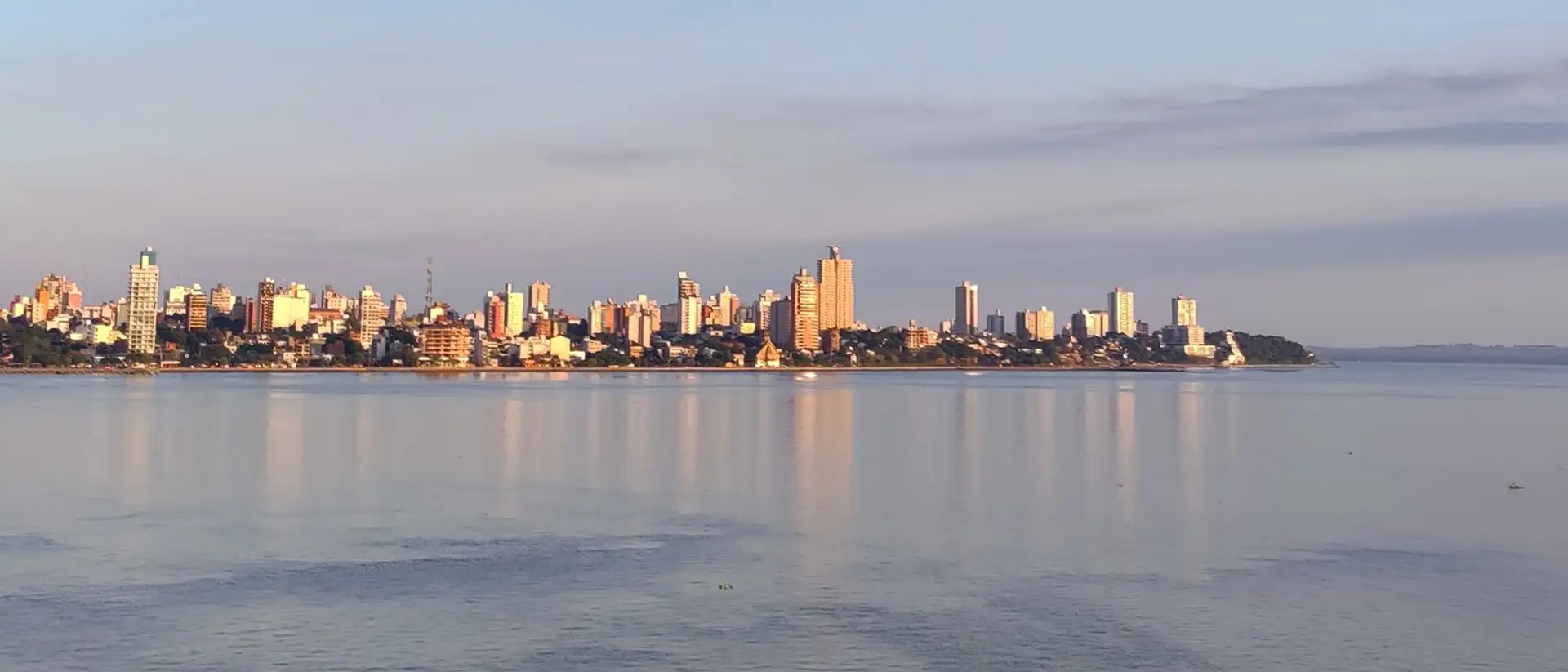
Ciudad del Este sits at the meeting point of Paraguay, Brazil and Argentina, connected to Foz do Iguaçu in Brazil by the Friendship Bridge and within easy reach of Argentina's side of the Iguazú Falls across the water. That tri-border position is the whole story of the place: it exists as a commercial city because of the traffic between the three countries, and that energy is obvious the moment you're downtown, with shoppers, cargo, and languages crossing back and forth all day. Reading up on Ciudad del Este's history before you go helps make sense of why the city feels the way it does.
The duty-free downtown
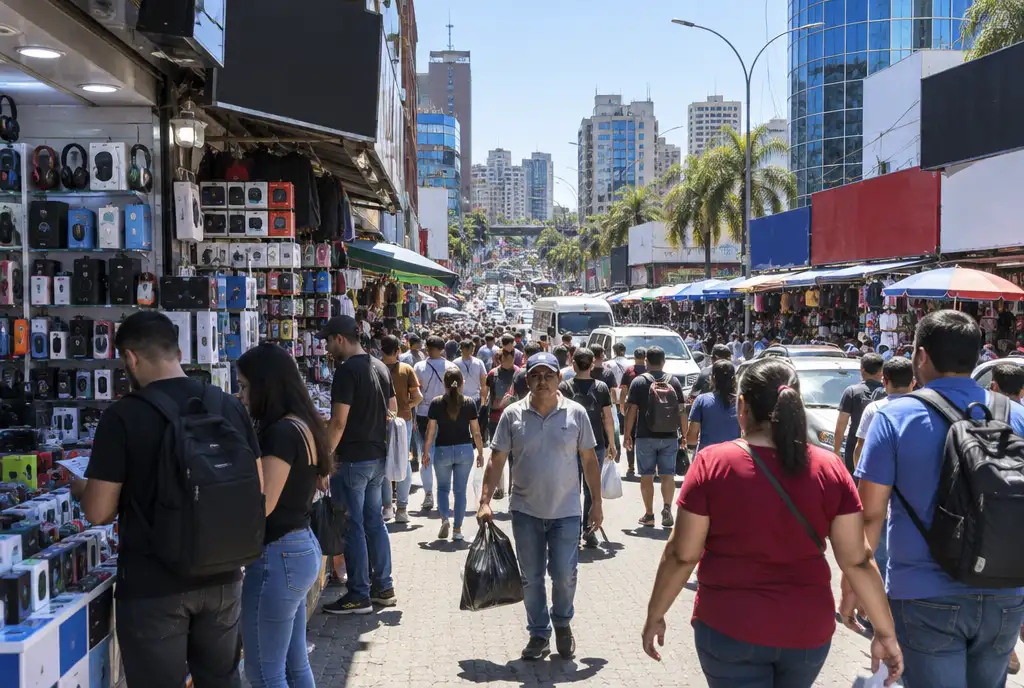
The commercial core is the reason most Paraguayan and Brazilian visitors come at all: block after block of electronics stores, perfume shops, and general merchandise, much of it priced to draw shoppers across the border from Brazil and Argentina. It's loud, dense, and genuinely fun to walk if you enjoy that kind of energy, but it's not a place to wander distracted — keep bags zipped and valuables out of sight the way you would in any busy commercial district anywhere in the world. For more on what to buy and what to look out for, see our souvenir shopping guide.
Itaipú: the reason the city exists at scale
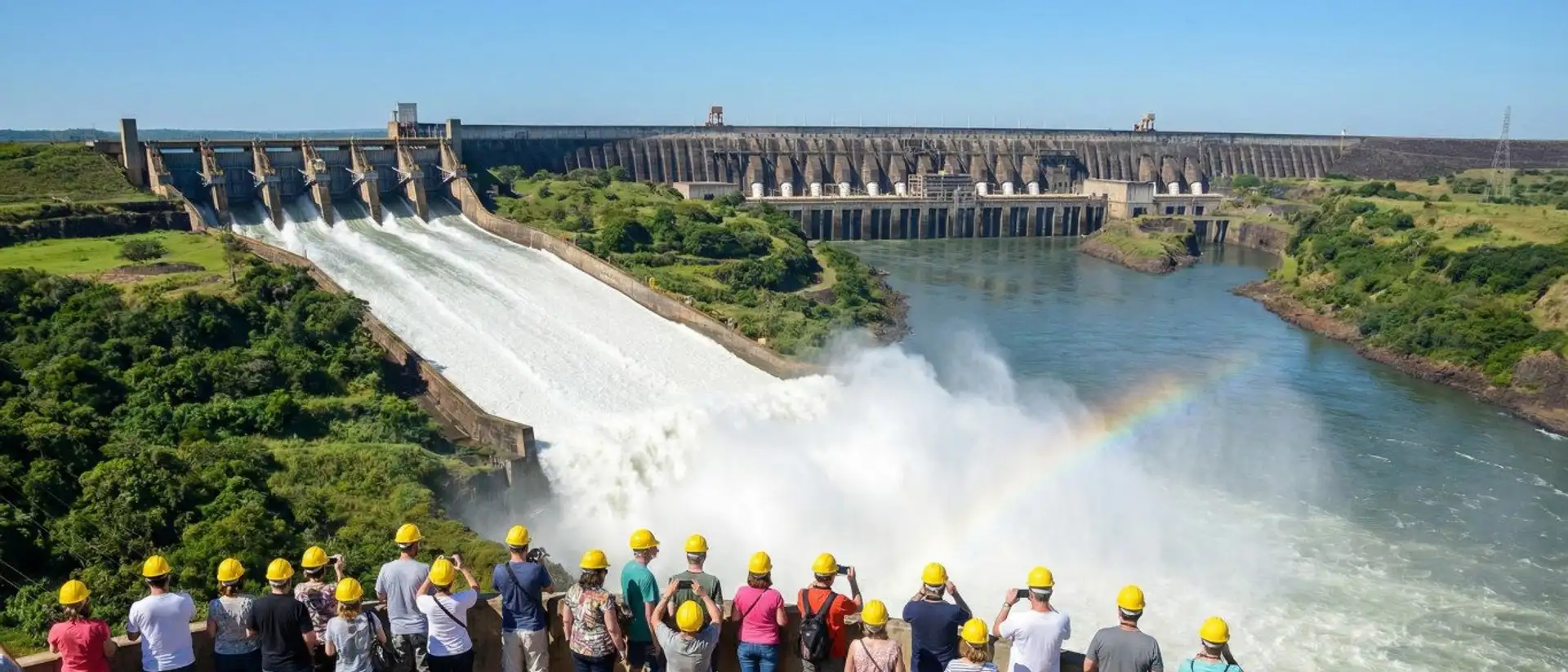
No visit to Ciudad del Este is complete without a stop at the Itaipú Dam, the binational hydroelectric project shared with Brazil that is one of the world's largest power stations by output. The visitor circuit typically includes a viewpoint over the dam wall and, depending on what's currently running, a closer technical tour — check current tour availability and hours before you go, since these do change. Even from a distance, the scale of the structure is hard to process; it's one of the few places in Paraguay where the word "monumental" actually fits. Read our Itaipú Dam visitor guide for how to plan the visit yourself, and check the official Itaipú Binacional visitor information for current tours and hours.
Beyond the dam and the malls
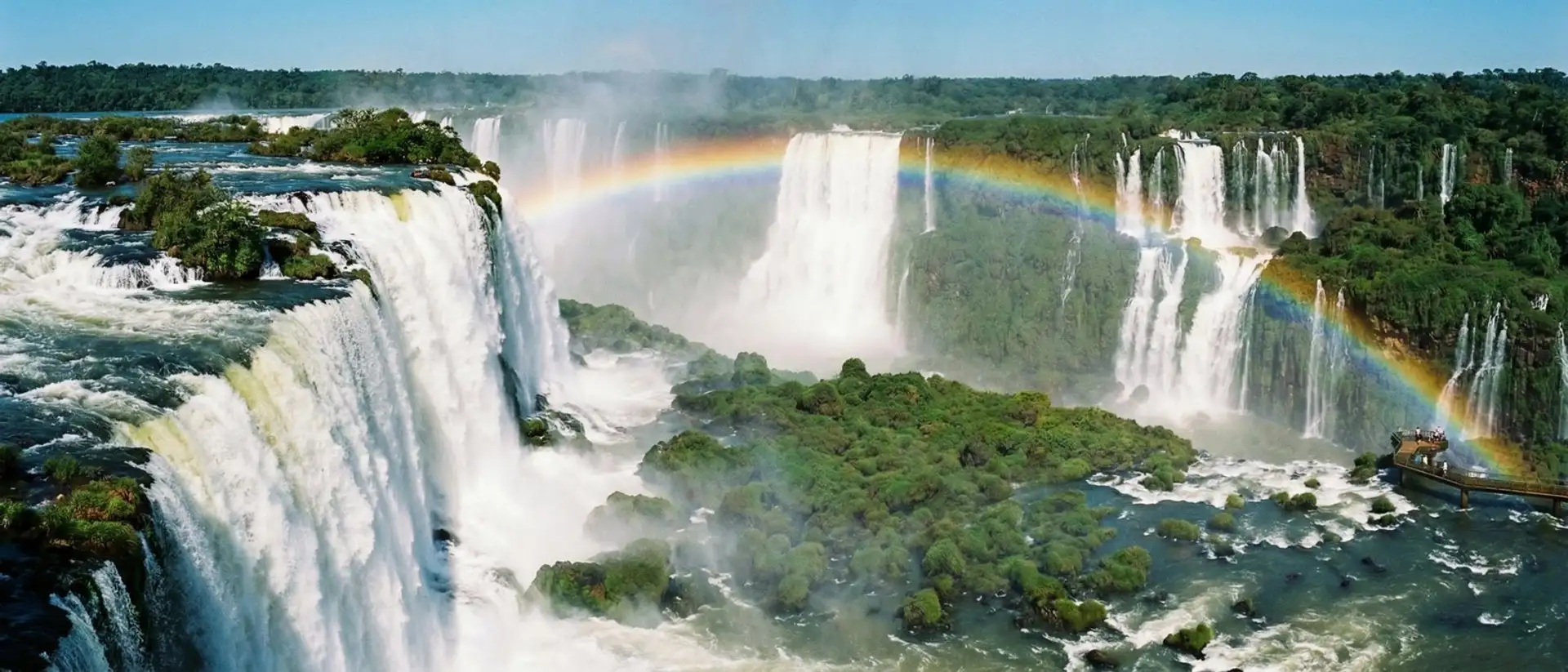
Ciudad del Este is also the practical jumping-off point for the Argentine and Brazilian sides of Iguazú Falls, a genuinely world-class waterfall system within a short trip of the city. If your itinerary has any flexibility, pairing a Ciudad del Este stop with the falls makes far better use of the trip than treating the city as a shopping-only stopover — our Iguazú from Asunción guide lays out how travelers typically combine the two.
Most visitors arrive by long-distance bus from Asunción, though a domestic flight may be available (check current schedules); see our Asunción bus terminal guide if you're departing from the capital by land. However you arrive, give the city at least a full day — rushing the dam and the shopping district into a few hours undersells both.
Practical information
- Getting there: long-distance bus from Asunción (domestic flights may also be available; check current schedules); the city also connects directly to Foz do Iguaçu, Brazil, via the Friendship Bridge
- Best time to visit: cooler months (roughly June–August) make walking the commercial district more comfortable; expect heat and humidity the rest of the year
- What to bring: your passport if you plan to cross into Brazil or Argentina, comfortable shoes, and a bag you can keep closed and in front of you in crowded shopping streets
- Currency: guaraníes are standard, but Brazilian reais and US dollars are widely accepted in the commercial district — carry small bills for easier transactions
- Time needed: at least a full day; two if you're combining it with Itaipú and a side trip to Iguazú Falls
- Check ahead: confirm current entry requirements if you plan to cross into Brazil or Argentina, and check current hours for the Itaipú visitor circuit before you go
Frequently asked questions
Is Ciudad del Este worth visiting beyond shopping?
Yes — the Itaipú Dam alone justifies the trip for most visitors, and the city's position makes it the practical base for reaching Iguazú Falls without staying in Brazil or Argentina.
Is it safe to explore on foot?
The commercial core is busy and generally fine to walk in daylight with normal precautions — watch your belongings in crowds the way you would in any dense shopping district. Ask locally about specific areas if you're staying after dark.
Can I cross into Brazil for the day?
Yes, many visitors cross the Friendship Bridge to Foz do Iguaçu for the Brazilian side of Iguazú Falls. Bring your passport and check current border requirements for your nationality before you go.
How far is Ciudad del Este from Asunción?
It's on the far eastern side of the country, reachable by long-distance bus (or a domestic flight if one is operating); see our bus terminal guide for departure details from the capital.
Is one day enough to see the dam and go shopping?
It's tight but doable if you plan ahead — start early at Itaipú and save the commercial district for the afternoon. Two days is more comfortable if you also want to fit in Iguazú Falls.
Ready to see Itaipú properly instead of just from the road? Read our Itaipú Dam visitor guide for how to plan your visit. If you decide to join a tour, check the operator's SENATUR registration and get the price and inclusions in writing. Spotted something out of date? Let us know.