Shopping, Culture & Beaches: Two essential Paraguayan cities for visitors
Shopping, beaches, and two of Paraguay's most distinct border cities make an unlikely but genuinely rewarding combination for visitors who have more than a couple of days. Ciudad del Este, on the Brazilian border, is the country's duty-free shopping capital. Encarnación, several hours south on the Argentine border, has the closest thing landlocked Paraguay offers to a beach town, with river-sand stretches along the Paraná. They're different enough in character that seeing both gives a much fuller picture of the country than Asunción alone.
Ciudad del Este: the shopping side
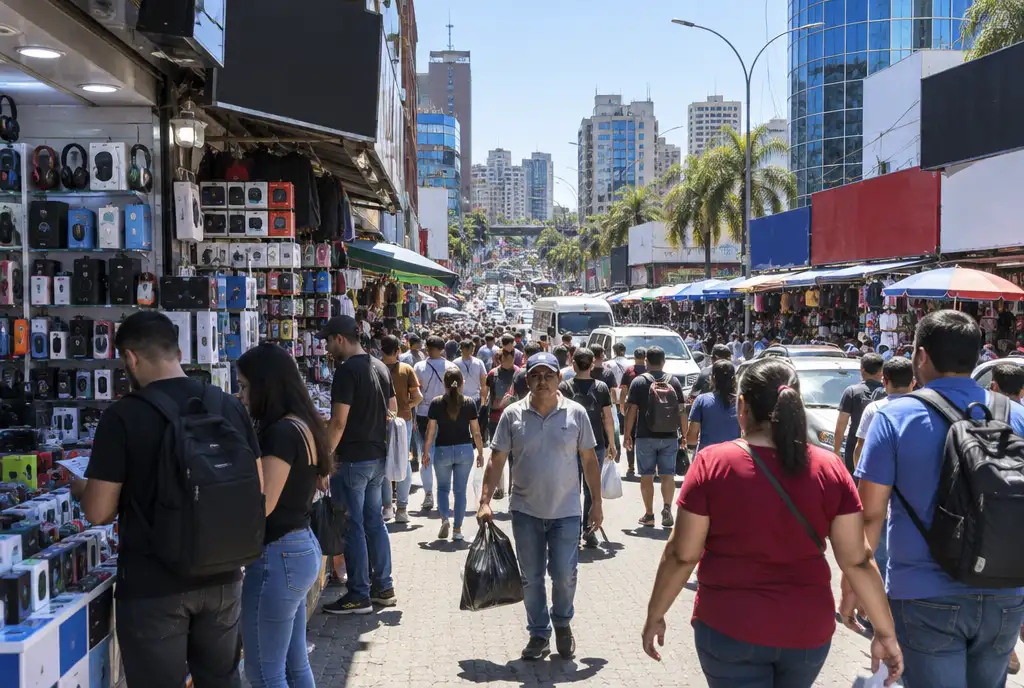
Ciudad del Este exists, commercially, because of its position on the Triple Frontier where Paraguay, Brazil, and Argentina meet. Decades of favorable tax policy turned it into one of South America's largest commercial hubs, and the shopping is still the main draw — multi-story malls and dense strips of electronics, fashion, and general-goods stores packed within a few blocks of the Puente de la Amistad (Friendship Bridge) crossing into Brazil. It's a genuinely chaotic, high-energy shopping experience, closer to a market crossed with a mall district than anything resembling a curated retail strip, and it rewards visitors who come with a rough idea of what they're looking for rather than wandering without a plan.
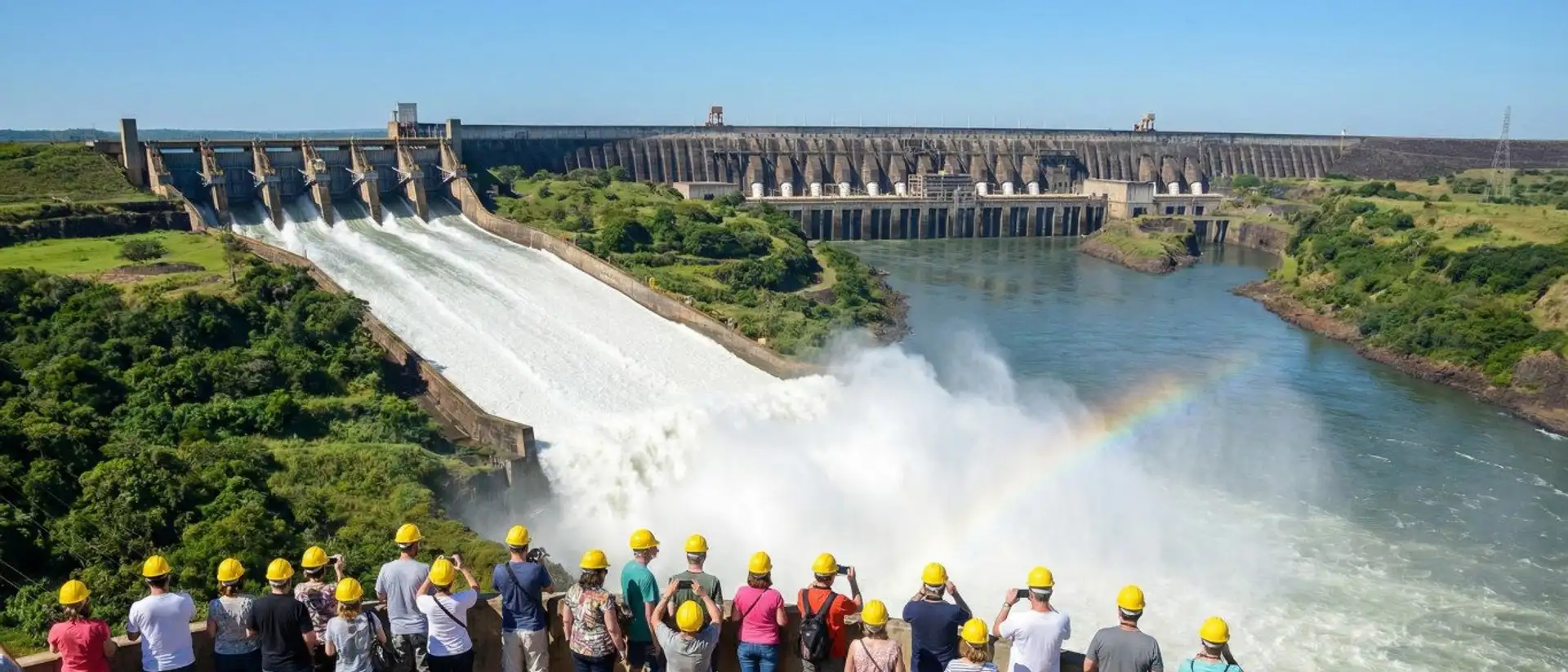
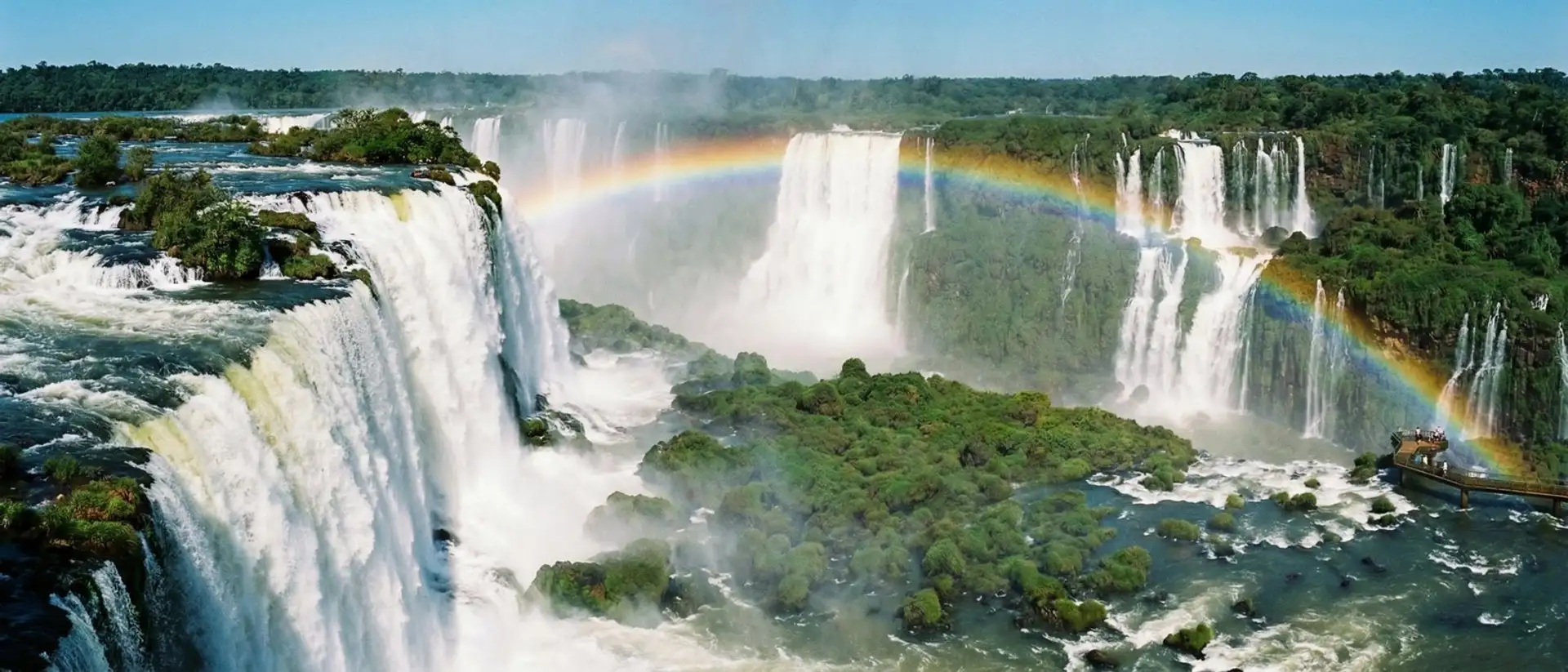
Beyond the shopping, Ciudad del Este's real trump card is proximity: it's the natural base for visiting both the Itaipu Dam, one of the largest hydroelectric dams in the world, and Iguazu Falls just across the border in Argentina and Brazil. Most visitors treat Ciudad del Este as a shopping stop bookended by day trips to one or both of these, rather than a multi-day destination on its own.
Encarnación: the beach side
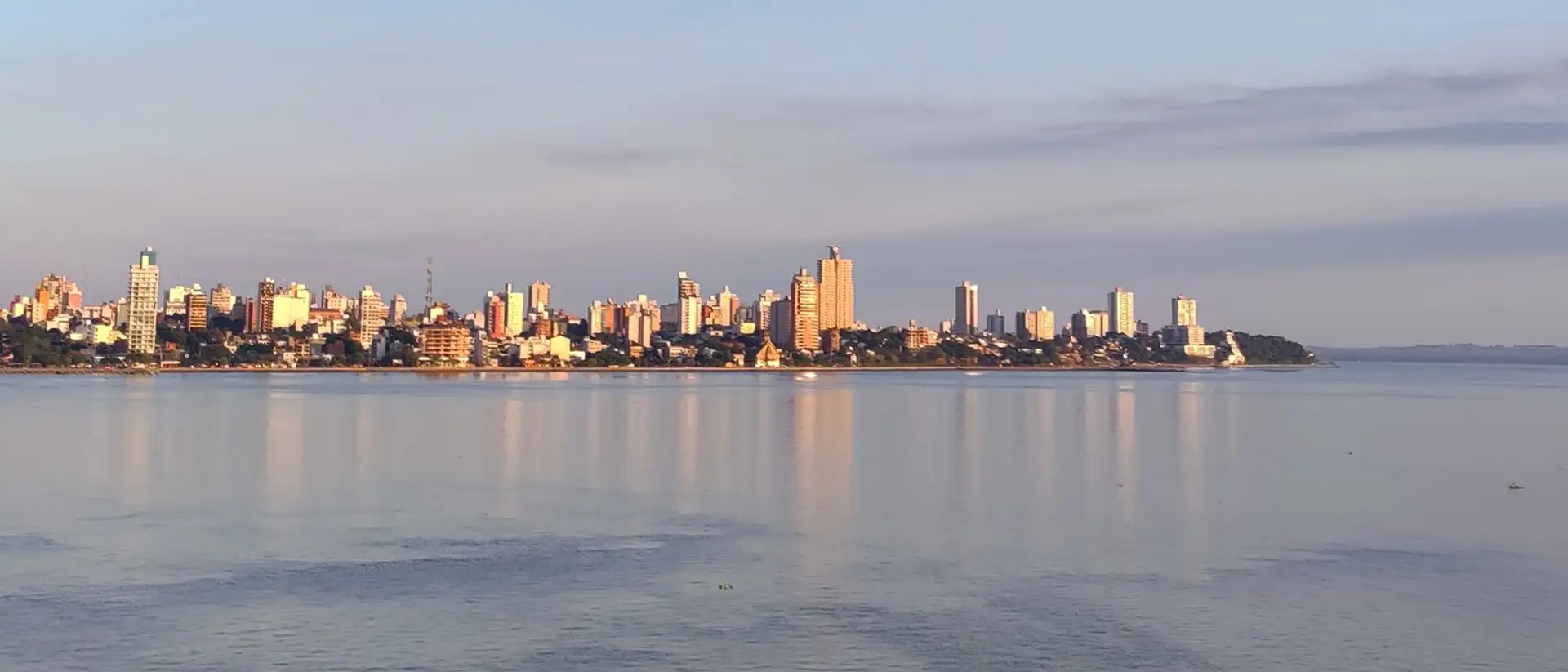
Encarnación is a different city entirely — calmer, more polished, and built around its Costanera, a long riverside promenade on the Paraná that faces Posadas, Argentina, across the water. The Costanera's beaches, San José chief among them, are the closest thing to a genuine beach experience Paraguay has to offer: real sand, swimming, beach volleyball, and a promenade lined with restaurants and bars that fills up with local families in the evening as temperatures drop. It's an easy, pleasant way to spend an afternoon or two, especially in the warmer months.
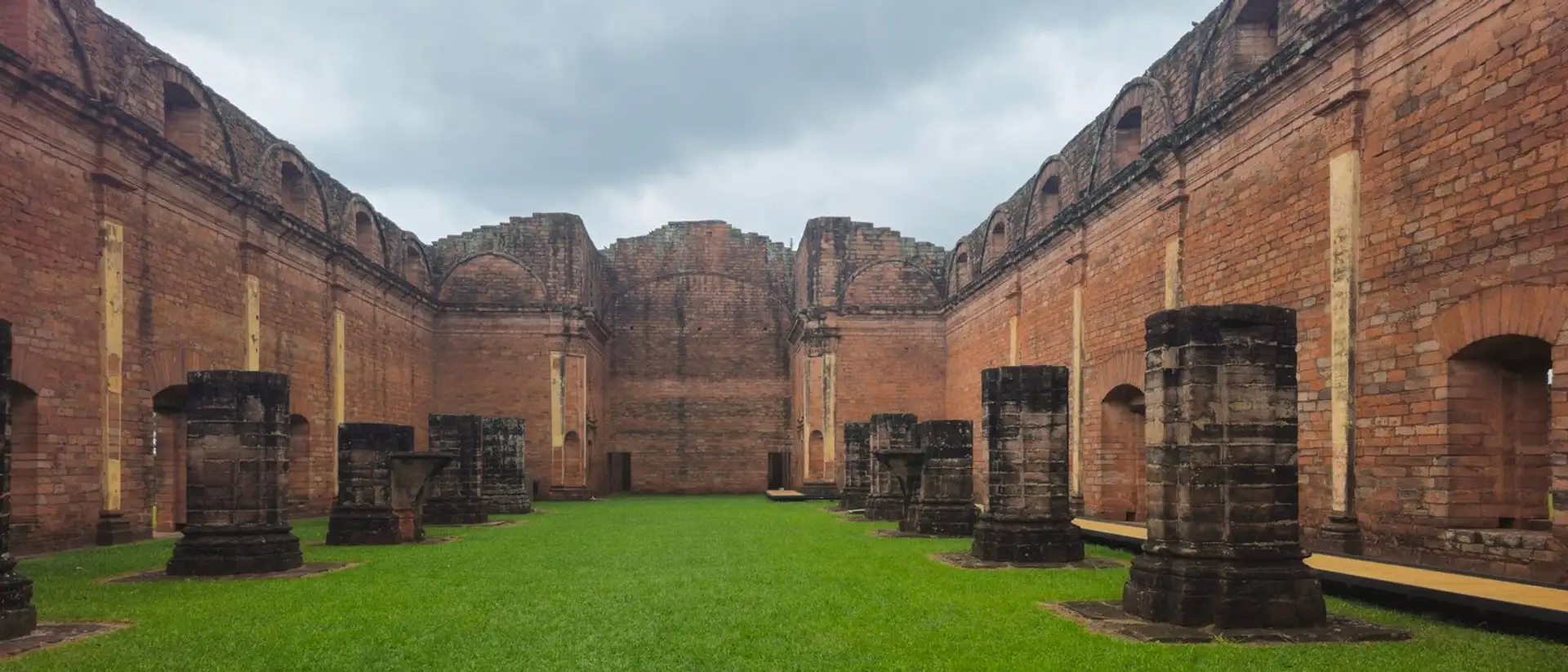
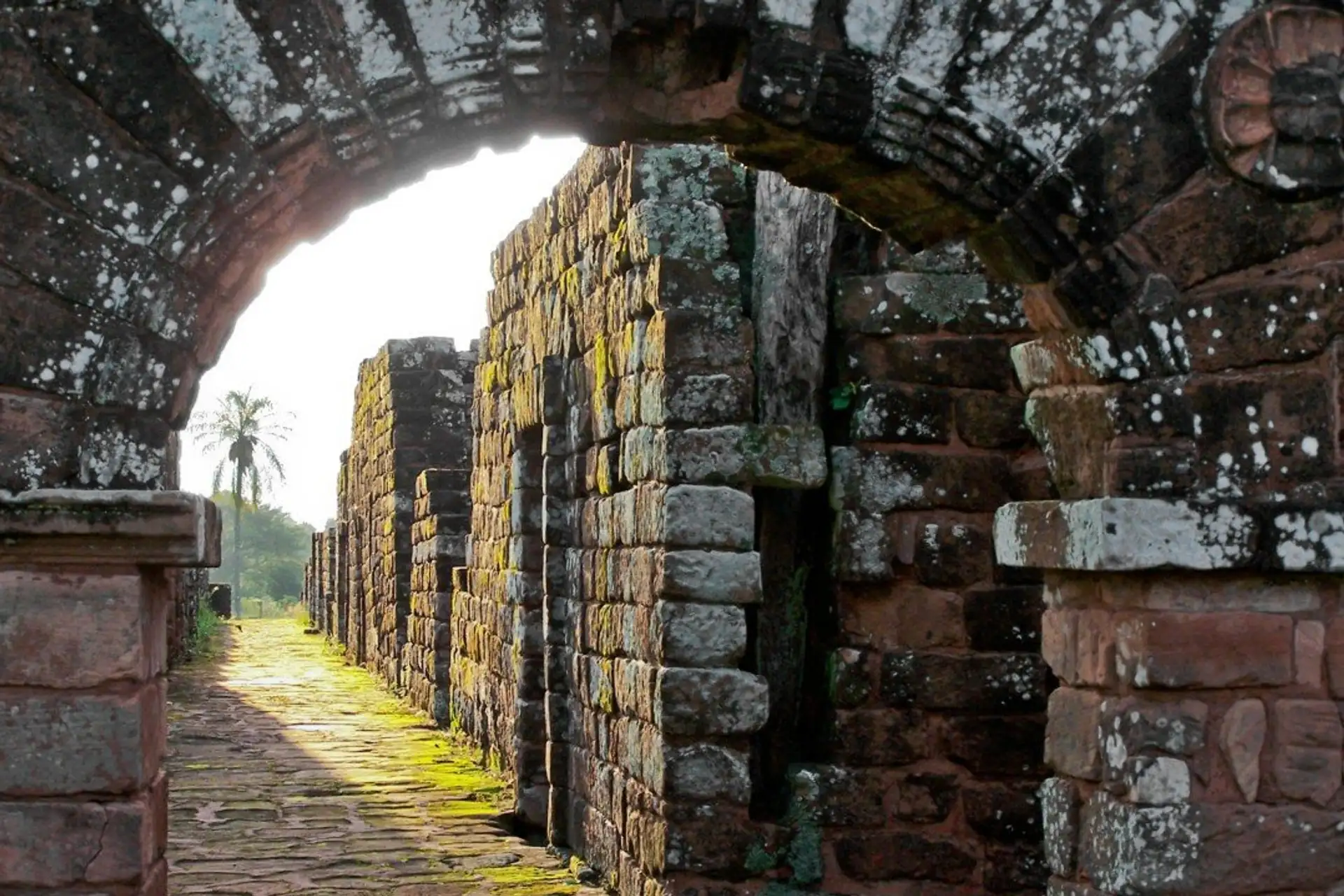
Encarnación earned the nickname "the Pearl of the South," and it has its own shopping scene too, if lower-key than Ciudad del Este's — modern malls alongside more traditional markets. The city also makes a convenient base for visiting the nearby Jesuit mission ruins, one of Paraguay's most significant historical sites, if you want to add a cultural stop to a beach-focused visit.
Shopping, Beaches, and How to Combine the Two Cities
Ciudad del Este and Encarnación aren't next door to each other — they sit at opposite ends of Paraguay's eastern border region, roughly a few hours apart by road along Ruta 6 or a similar southern route. A realistic itinerary treats them as two separate stops on a longer eastern Paraguay loop rather than a single day trip: a couple of days around Ciudad del Este for shopping and the Itaipu Dam or Iguazu Falls, then a drive or bus south to Encarnación for the Costanera beaches and the Jesuit ruins nearby. Travelers short on time more often pick one or the other based on whether shopping or beach time matters more to their trip.
Practical info for visiting
- Getting there: both cities are reachable by long-distance bus from Asunción or by air to Ciudad del Este's airport; travel between the two cities is by road, roughly a few hours depending on route and traffic
- Best time to visit: the warmer months (roughly October–March) for Encarnación's beaches; Ciudad del Este's shopping works year-round, though border crossings get busier around holidays
- What to bring: your passport for any crossing into Brazil or Argentina, comfortable shoes for Ciudad del Este's crowded shopping streets, and swimwear for Encarnación's Costanera
- Border crossings: both cities sit directly on international bridges — expect queues at peak times and check current crossing requirements before you go
- Currency: guaraníes are standard, though many shops in Ciudad del Este also accept US dollars and Brazilian reais informally — check the exchange rate you're offered before paying
Frequently asked questions
Which city should I visit if I only have one day?
It depends on what you're after — Ciudad del Este for duty-free shopping and easy access to Itaipu Dam or Iguazu Falls, Encarnación for the Costanera beaches and a calmer pace. They're far enough apart that combining both into a single day isn't realistic.
Are the beaches in Encarnación actual sand beaches?
Yes — the Costanera's river beaches, including San José, have real sand along the Paraná River, distinct from the muddy or rocky riverbanks found elsewhere in the country. They're river beaches rather than ocean beaches, since Paraguay is landlocked.
Is Ciudad del Este safe for shopping tourism?
Like any dense border-city commercial district, it pays to keep valuables secure and stay aware in crowded areas, the same common sense you'd use in any busy market district. The shopping areas themselves are well used by tourists daily and geared toward exactly this kind of visit.
Do I need a visa to cross into Brazil or Argentina from these cities?
Requirements depend on your nationality and change periodically, so check current entry requirements for both countries before you travel rather than assuming your Paraguay visa or entry stamp covers a border crossing.
How do I get between Ciudad del Este and Encarnación?
By long-distance bus or private vehicle along the southern highway route, generally a few hours' drive. Some travelers route back through Asunción instead, depending on onward travel plans.
Between Ciudad del Este's commercial energy and Encarnación's riverside calm, these two border cities show a side of Paraguay that Asunción alone doesn't cover. For a closer look at Ciudad del Este on its own, see our guide to exploring Ciudad del Este, or read our Itaipu Dam visitor guide, which pairs naturally with either stop. If you're after crafts and gifts specifically, our Paraguay souvenirs guide covers ñandutí lace and other local pieces worth bringing home.