Serranía San Luis National Park: Paraguay's Hidden Wildscape
San Luis National Park is one of the least-visited protected areas in Paraguay, and that is exactly why it's worth knowing about if you care about wildlife over crowds. Formally Parque Nacional Serranía San Luis, it sits in the department of Concepción, in the districts of San Carlos del Apa and San Alfredo, roughly 480 kilometers north of Asunción between the Apa and Aquidabán rivers. It protects one of the country's few remaining stretches of Cerrado — the savanna-woodland mosaic more associated with central Brazil than with Paraguay — and it gets a fraction of the visitors that Cerro Corá or the Jesuit missions do.
What Makes San Luis National Park's Cerrado Different
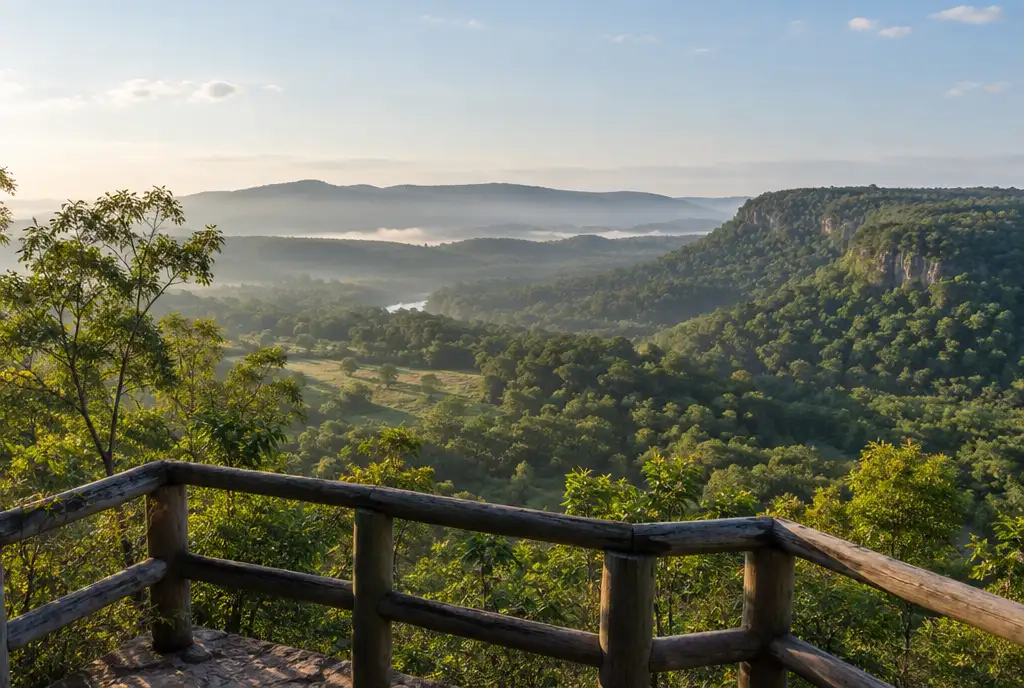
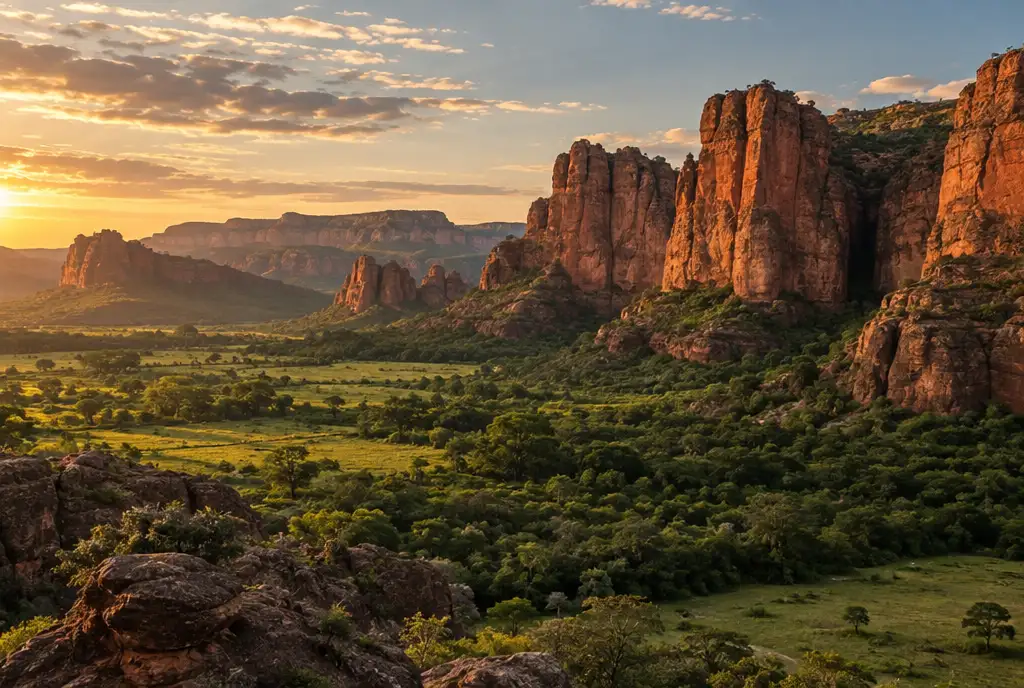
Most of what visitors picture when they think of Paraguay is either the humid Atlantic Forest in the east or the dry Chaco scrubland in the west. Serranía San Luis is neither — it's a patch of Cerrado, a biome of rocky hills, sandy soils, scattered woodland, and open grassland that barely survives elsewhere in the country. The terrain itself is the park's signature: low serranías (hill ranges) rising out of the plain, cut through by clear-running streams over rock and sand rather than the murky rivers more typical of Paraguay's lowlands.
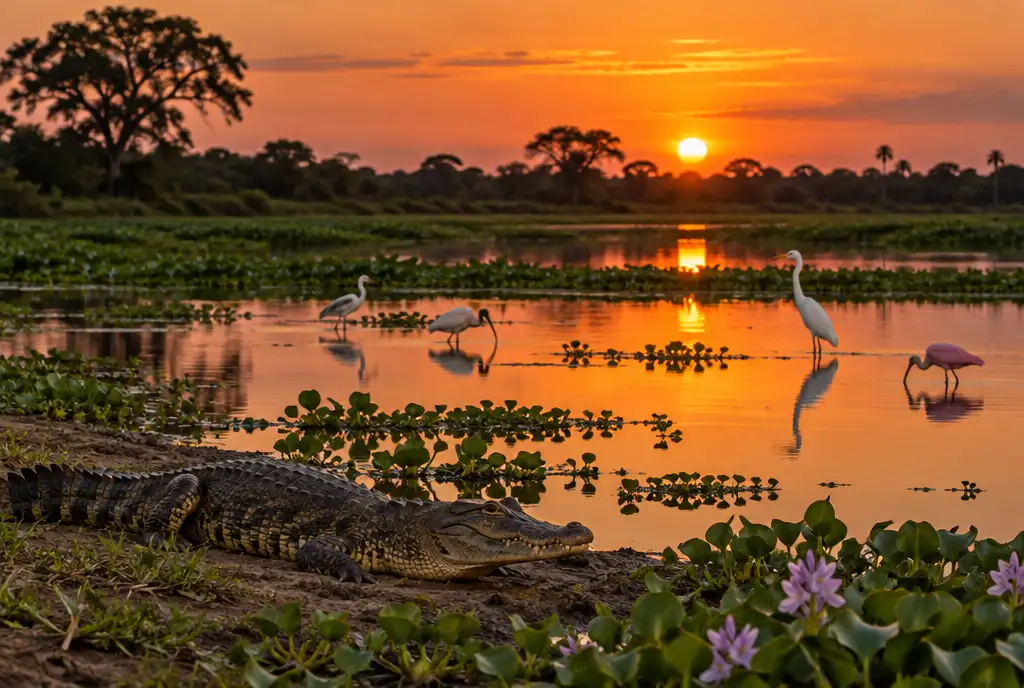
That habitat supports a disproportionate amount of biodiversity for its size. Researchers surveying the area's birdlife have documented well over 180 species, and the park is thought to host around half of all the bat species recorded anywhere in Paraguay — a striking number for a park that covers roughly 10,000 hectares. Reptile diversity is high too, though — like most of the Cerrado here — still underdocumented compared to Paraguay's better-studied parks.
What there is to actually do
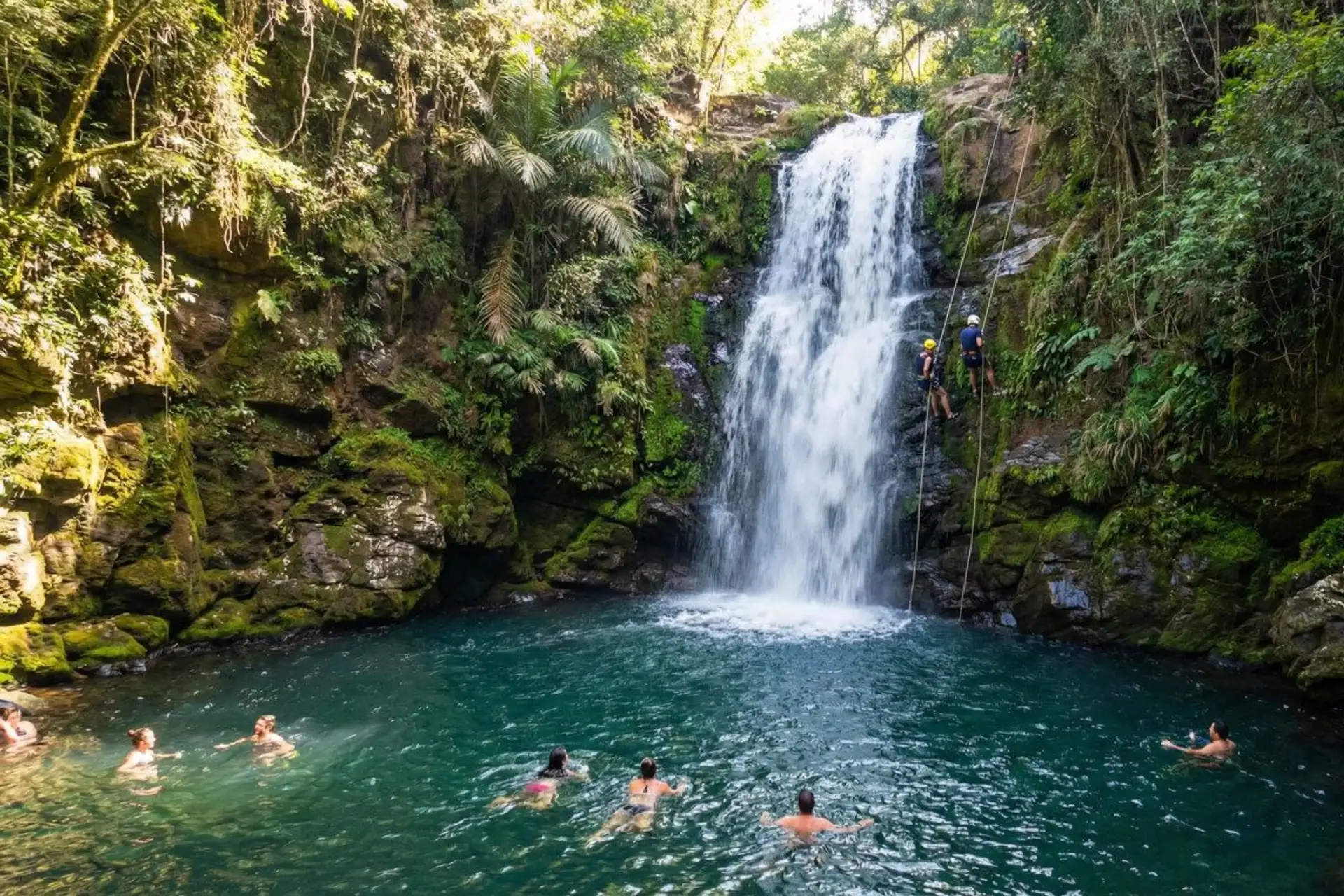
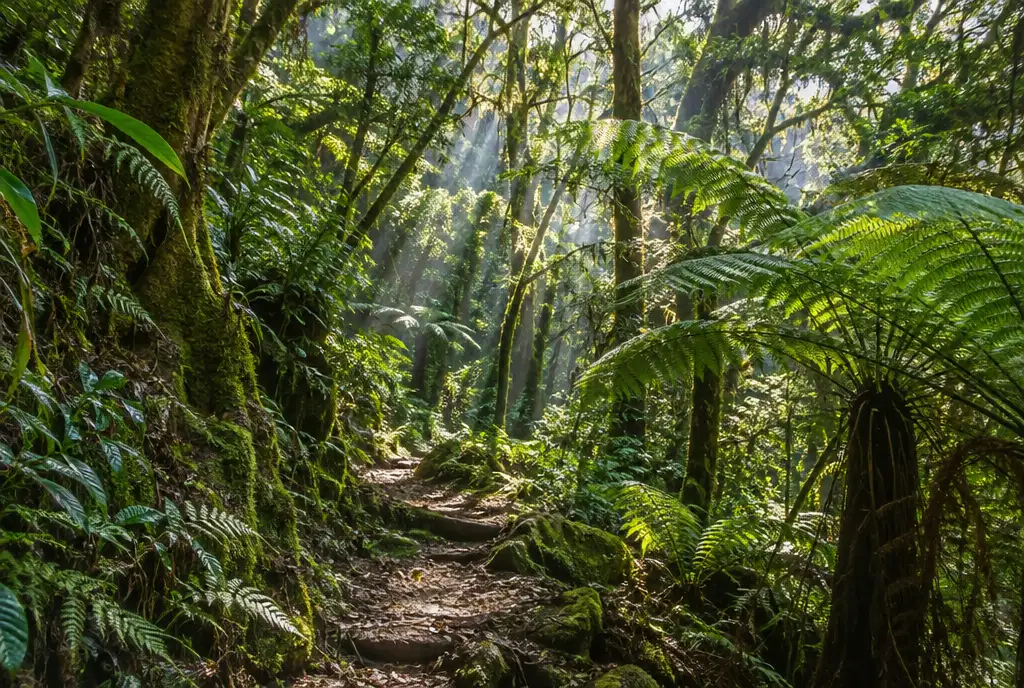
This is not a park with a visitor center, marked trail network, or facilities built for casual tourism — it's a genuinely remote protected area, and that shapes what a visit looks like. Expect hiking over rocky, uneven terrain among the hills, wading or swimming in clear streams, and birdwatching that rewards patience and an early start far more than a checklist. Because infrastructure is minimal, this is a trip better done with a local guide or a specialist tour operator who knows the terrain and the access roads, rather than attempted as a solo drive-up visit — check current access conditions and any permit requirements before you go, since these can change and are not consistently documented online.
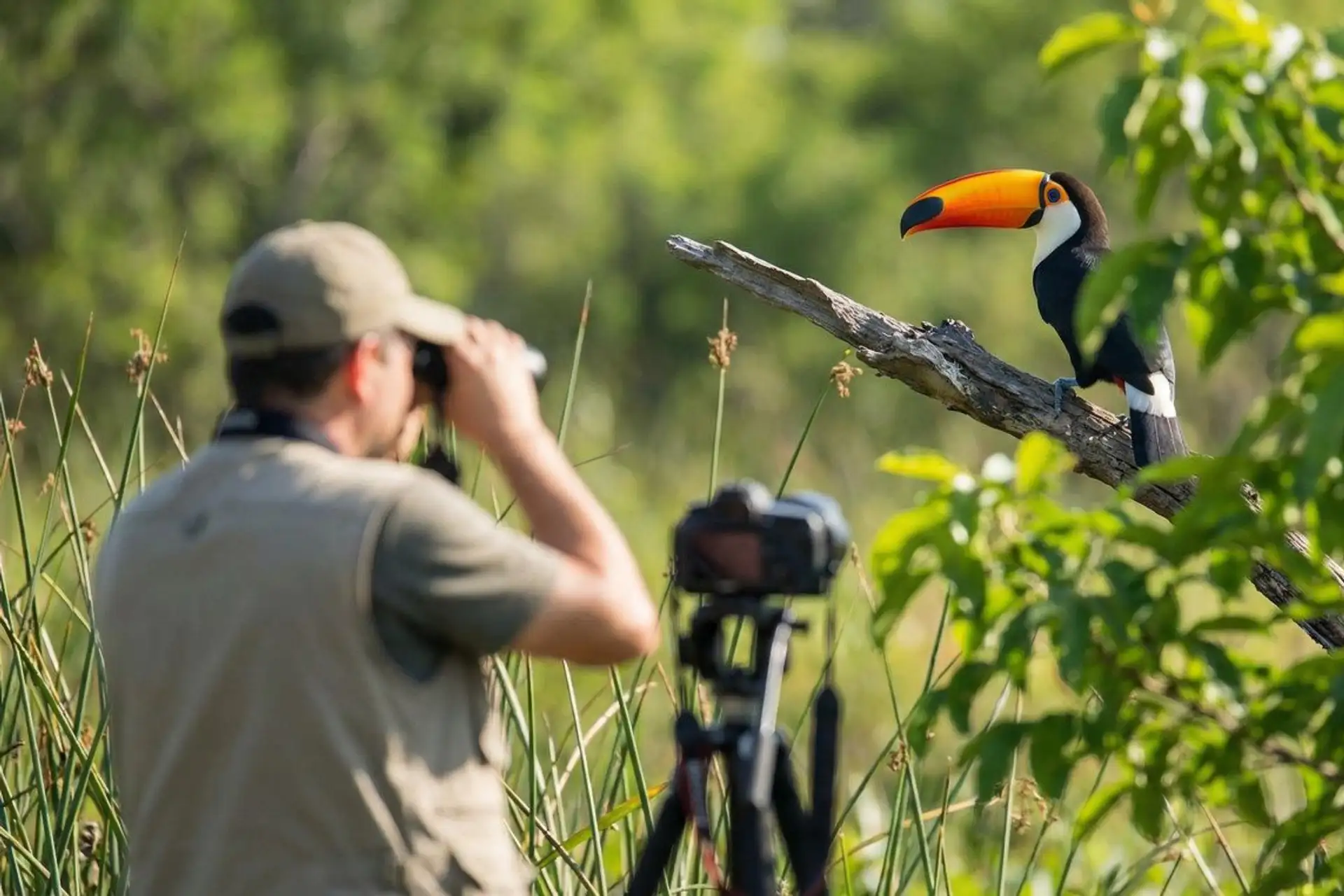
Photographers and birders get the most out of San Luis: the light on the rock formations early and late in the day is striking, and the mix of Cerrado specialist bird species alongside more common Paraguayan wildlife makes for a genuinely different list than a day at Cerro Corá or in the Atlantic Forest reserves further east.
Getting there and when to go
The park's remoteness is real — it's a long drive from Asunción, well past Concepción town, on roads that are not all paved the closer you get to the park itself. Most visitors combine it with a wider trip through the northern Concepción department rather than treating it as a standalone day trip from the capital. The dry season (roughly May through September) generally makes the access roads and stream crossings more manageable; the wetter months bring lusher scenery but a harder trip in.
Practical info for visiting
- Location: Concepción department, districts of San Carlos del Apa and San Alfredo, about 480 km north of Asunción
- Getting there: a private vehicle or an organized trip with a local operator is strongly recommended — this is not a park set up for casual public-transport access
- Best time to visit: the drier months (roughly May–September) for easier access roads and stream crossings
- What to bring: sturdy hiking footwear, sun protection, insect repellent, and enough water and supplies for a remote area with no services inside the park
- Guides: hiring a local guide or using a registered tour operator familiar with the park is the safest way to visit; agree the price, inclusions and cancellation terms in writing, given the lack of marked trails or facilities
- Wildlife highlights: Cerrado-specialist birds, a diverse range of bats, and reptiles typical of rocky savanna habitat
Frequently asked questions
Where exactly is Serranía San Luis National Park?
It's in northern Paraguay's Concepción department, between the Apa and Aquidabán rivers, roughly 480 kilometers from Asunción — considerably further than most of the country's better-known parks.
Are there marked trails or a visitor center?
No — this is an undeveloped protected area without the infrastructure of parks like Cerro Corá. Visiting with a local guide or specialist operator is strongly advised rather than attempting to navigate it independently.
What wildlife might I see?
The park is known for Cerrado-specialist birds, a high diversity of bats relative to its size, and reptiles adapted to rocky savanna terrain. Sightings vary by season and time of day, and patient early-morning visits tend to reward birders the most.
When is the best time to visit?
The drier months, roughly May through September, when access roads and stream crossings are more manageable. The wet season brings greener scenery but a harder journey in.
Can I visit as a day trip from Asunción?
Not realistically — the distance alone makes it a multi-day trip for most visitors, usually combined with other stops in the Concepción department rather than attempted on its own from the capital.
Serranía San Luis is a reminder that Paraguay's national parks go well beyond the handful most visitors hear about — if Cerro Corá's history and hiking appealed to you, this park's rugged Cerrado landscape is worth the extra distance for the same reasons. Because it's a remote and lightly documented destination, our trip-planning guide explains how to research access and hire a local guide for a trip north into Concepción rather than trying to arrange access on your own. If a waterfall is more what you're after with an easier approach, our Salto Cristal visitor guide covers a gentler alternative. Spotted something out of date? Let us know.