Cerro Corá National Park: Hiking, Wildlife & History in Paraguay
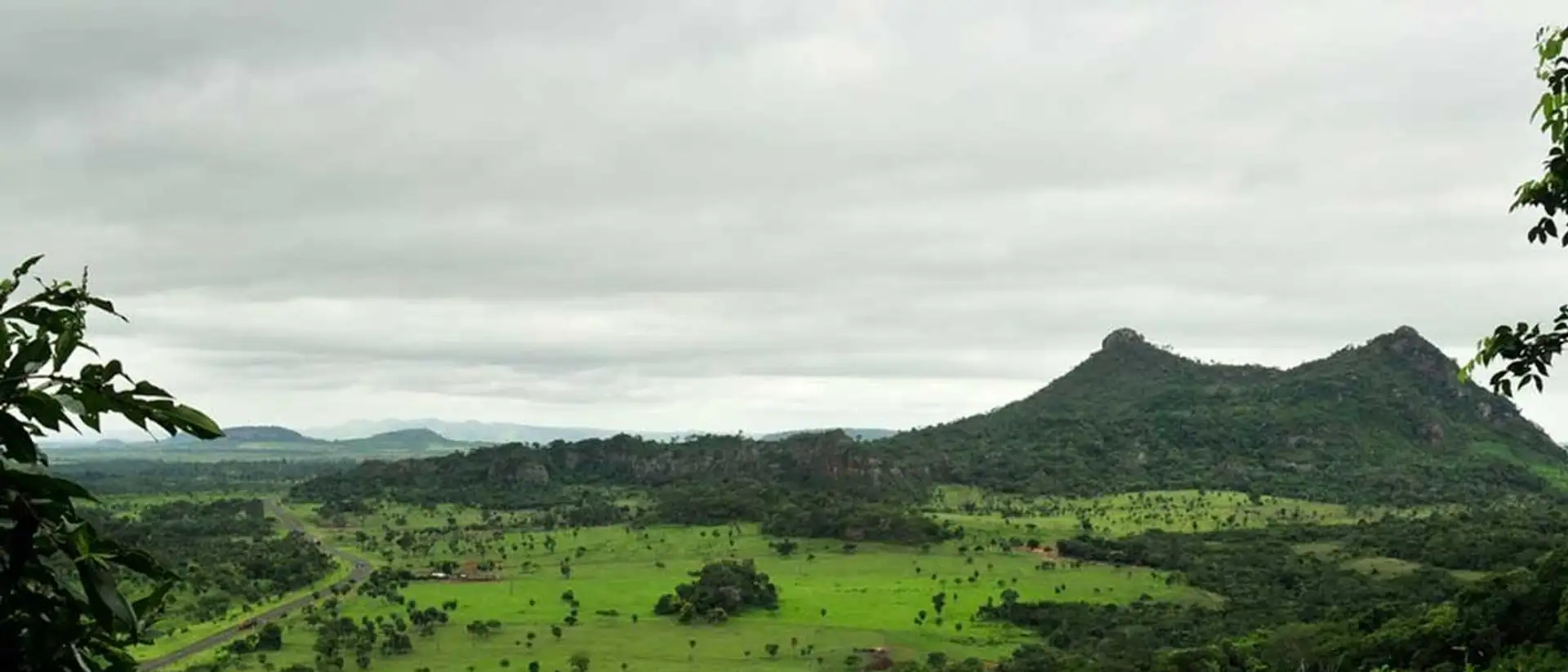
Tucked in Paraguay's far north, close to the Brazilian border in Amambay department, Cerro Corá National Park is one of the country's most striking protected areas and also one of its least visited by international tourists, which is exactly why it rewards the trip. It combines dramatic granite outcrops rising out of Cerrado grassland, genuinely good wildlife-watching, and a weight of national history that makes it feel different from a purely scenic park.
The Cerro Corá landscape
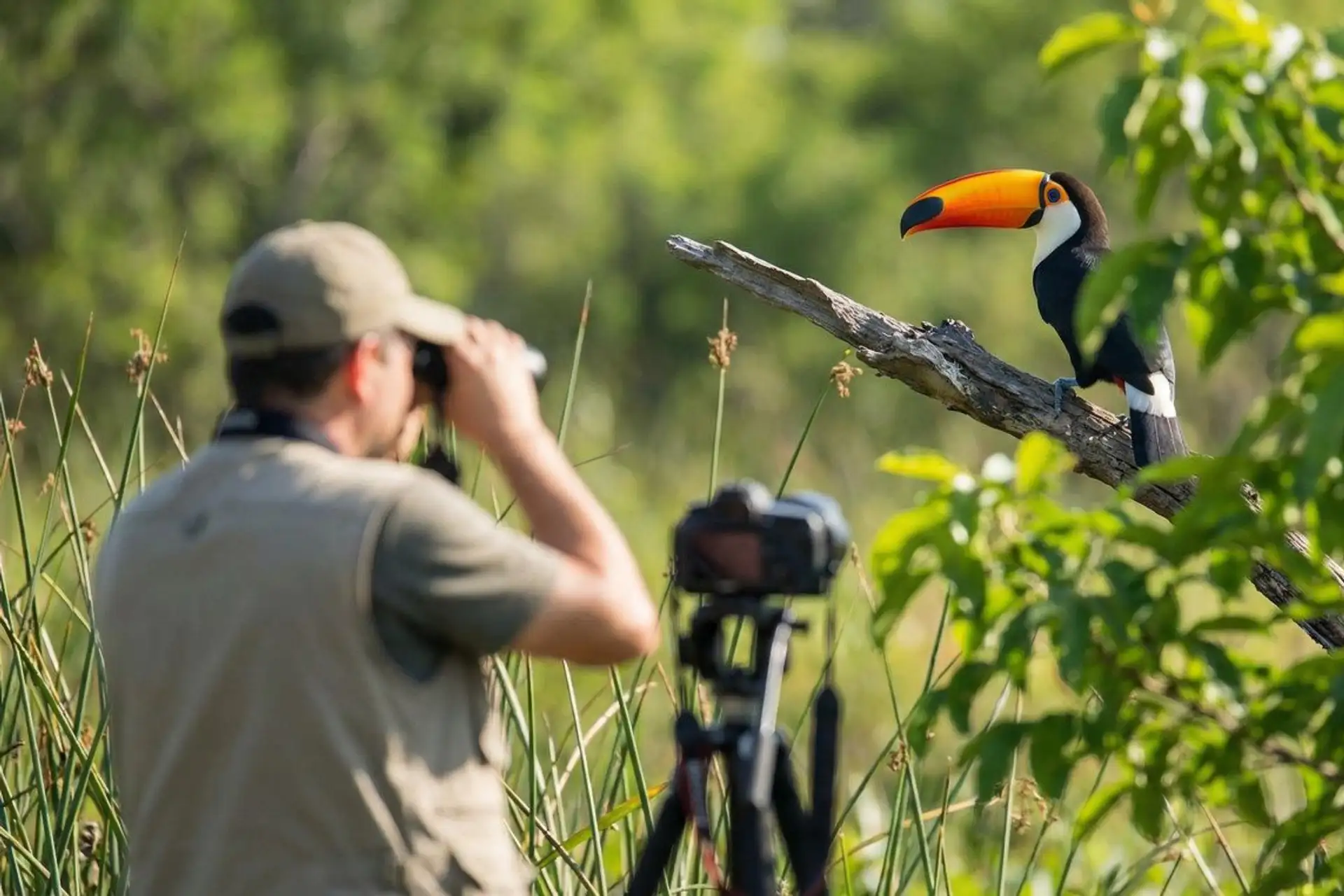
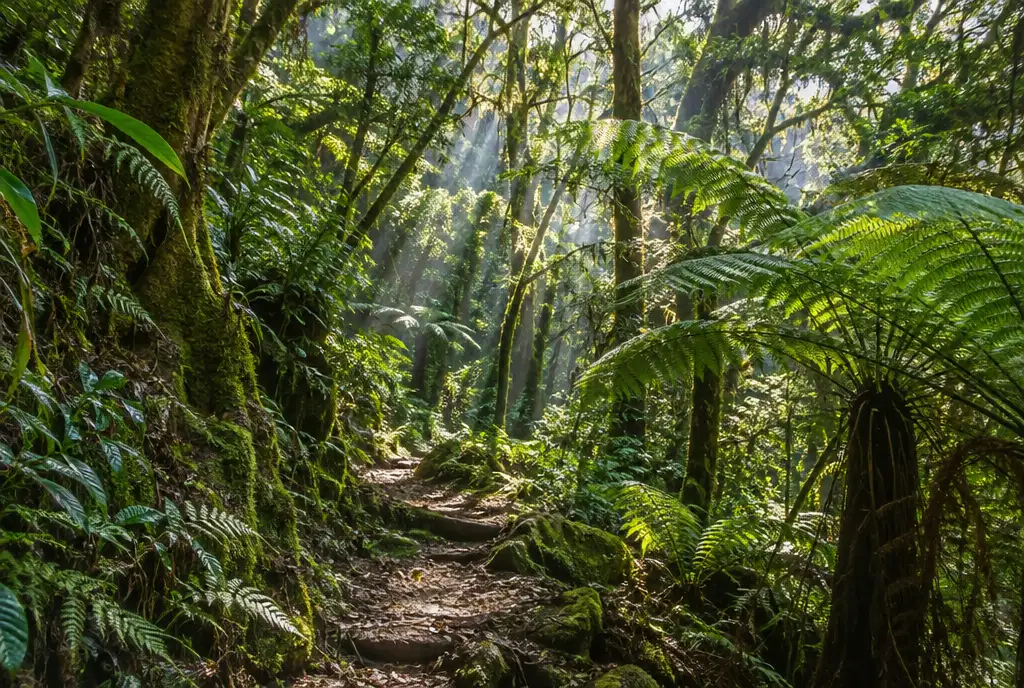
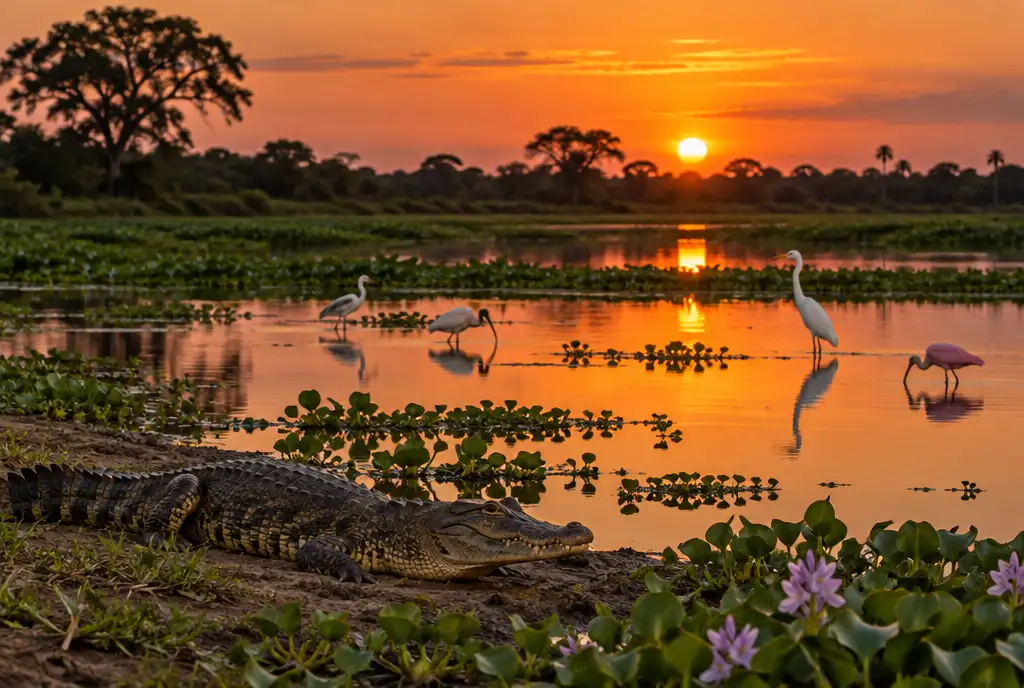
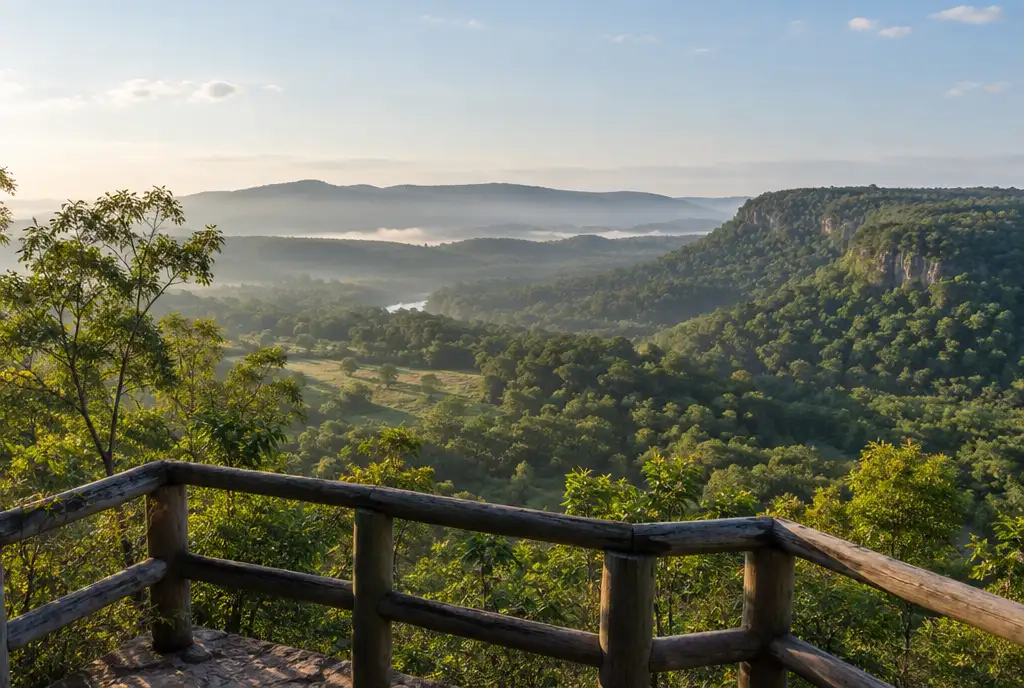
Where much of eastern Paraguay is rolling farmland and the Chaco is flat thornscrub, Cerro Corá sits in a transition zone with striking isolated rock formations (inselbergs) jutting out of open grassland and patches of forest. The terrain makes for genuinely rewarding hiking, with several trails leading up to viewpoints over the surrounding plains. Wildlife here reflects the Cerrado biome that dominates this part of the park, distinct from the wetter forest further south, and patient visitors have a real chance of spotting armadillos, a wide range of birds, and, with considerable luck, larger mammals that use the park's more remote corners.
The historical weight of the site
Cerro Corá is not just a nature park. It is the site where the War of the Triple Alliance, the devastating nineteenth-century conflict between Paraguay and the allied forces of Argentina, Brazil and Uruguay, effectively ended in 1870 with the death of Paraguayan president and military leader Francisco Solano López. A monument within the park marks the spot, and it remains a place of real significance in Paraguayan national memory, visited by Paraguayans themselves as much as by foreign travellers. Worth noting: exact details of that final engagement are still debated by historians, so treat specific tactical details you might read on-site as one account among several rather than settled fact.
Walking the park with this history in mind changes how the landscape reads. What looks like a quiet, beautiful stretch of grassland and rock was, within living memory of Paraguay's grandparents' generation, the ground where the country's population was decimated by a war that reshaped the nation for a century afterward.
Planning your visit
Cerro Corá is remote by Paraguayan standards. It sits near the town of Pedro Juan Caballero, itself a long drive from Asunción (a domestic flight may be possible, but check what is currently scheduled), so this is not a casual half-day excursion the way a park closer to the capital might be. Most visitors combine it with a broader trip north, sometimes continuing on toward the Pantanal region or into Brazil given the proximity to the border. Because of the distance, plan the logistics carefully: work out your route and overnight stops in advance, and consider hiring a local driver or guide who knows the roads. If you do, agree the price, inclusions and cancellation terms in writing, check any tour operator's SENATUR registration, and avoid paying everything up front.
Practical information
- Location: Amambay department, near Pedro Juan Caballero, in Paraguay's far north close to the Brazilian border
- What to see: granite rock outcrops and viewpoints, Cerrado grassland and wildlife, and the historical monument marking the end of the War of the Triple Alliance
- Best time to visit: the cooler months (roughly May to September) are more comfortable for hiking; the northern heat in summer can be intense
- What to bring: sturdy hiking shoes, sun protection, plenty of water, and insect repellent, since shade is limited on the open grassland sections
- Getting there: best reached via Pedro Juan Caballero, itself a long overland trip from Asunción (check whether any domestic flights currently serve the area); check current road conditions and access before planning independently
- Guides: a local guide is genuinely useful here, both for the trails and for context on the historical site
- Combine with: a wider trip through Paraguay's north, potentially extending toward the Pantanal or across the nearby Brazilian border
Why it's worth the distance
Cerro Corá doesn't get the visitor numbers of more accessible parks closer to Asunción, and that's part of its appeal: you're likely to have long stretches of trail largely to yourself. For visitors interested in Paraguay's history as much as its landscapes, and for those keen to see the Pantanal region while they're already in the north, it earns a place on a longer itinerary even though it won't fit into a quick day trip from the capital. For background on the historical conflict tied to this site, see the Wikipedia entry on Cerro Corá National Park, which covers the battle and its context in more depth.
Frequently asked questions
How do I get to Cerro Corá National Park from Asunción?
The park sits near Pedro Juan Caballero in Paraguay's far north, reachable by a long overland drive, or by air if a domestic flight to Pedro Juan Caballero is available when you travel, followed by a shorter local transfer. It is not a same-day trip from Asunción; plan for at least an overnight stay in the area.
What is Cerro Corá famous for historically?
It is the site where the War of the Triple Alliance effectively ended in 1870 with the death of Paraguayan leader Francisco Solano López, making it one of the most significant historical sites in the country alongside its natural landscape.
What wildlife might I see in the park?
The park sits in a Cerrado transition zone, home to armadillos, a good range of bird species, and occasionally larger mammals in its more remote areas, though sightings of the biggest species are rare and should not be the sole reason for a visit.
Do I need a guide to hike in Cerro Corá?
It's not strictly required for the main marked trails, but a local guide adds real value here, both for navigating the terrain safely and for understanding the historical significance of the monument and battle site.
Is it worth combining with a trip to the Pantanal or Brazil?
Yes, given how far north the park sits, many visitors extend their trip toward the Pantanal region or across the nearby Brazilian border rather than treating Cerro Corá as an isolated stop, making the long journey north more worthwhile.
Planning a trip north to Cerro Corá? See our suggested Paraguay itinerary for ideas on building a longer independent route, and confirm park access and opening arrangements with the authorities before you go. Spotted something out of date? Let us know.