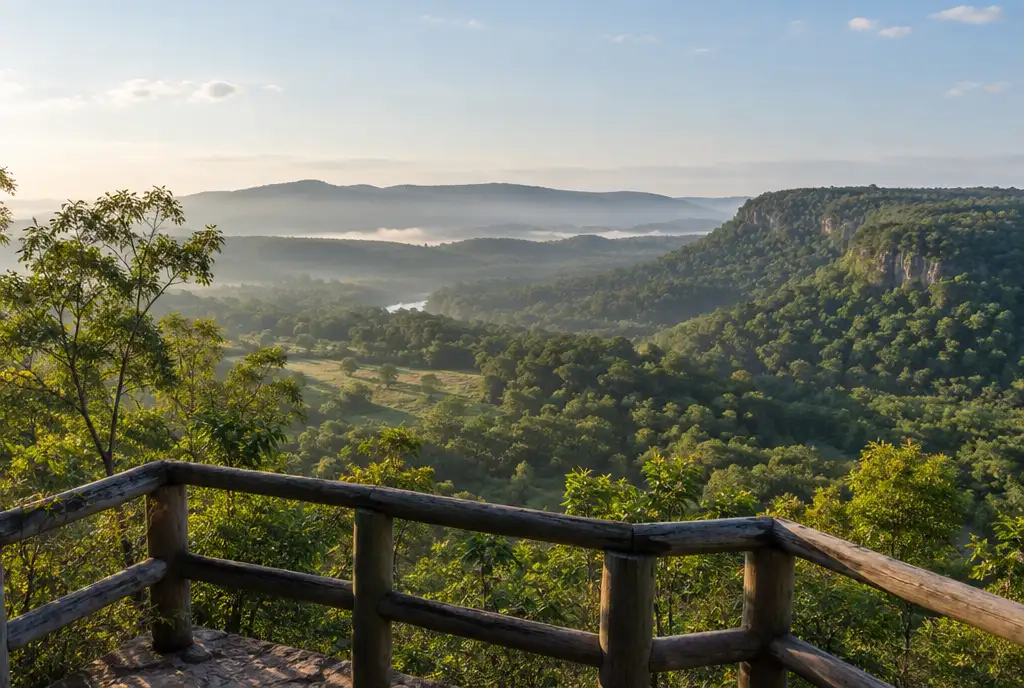
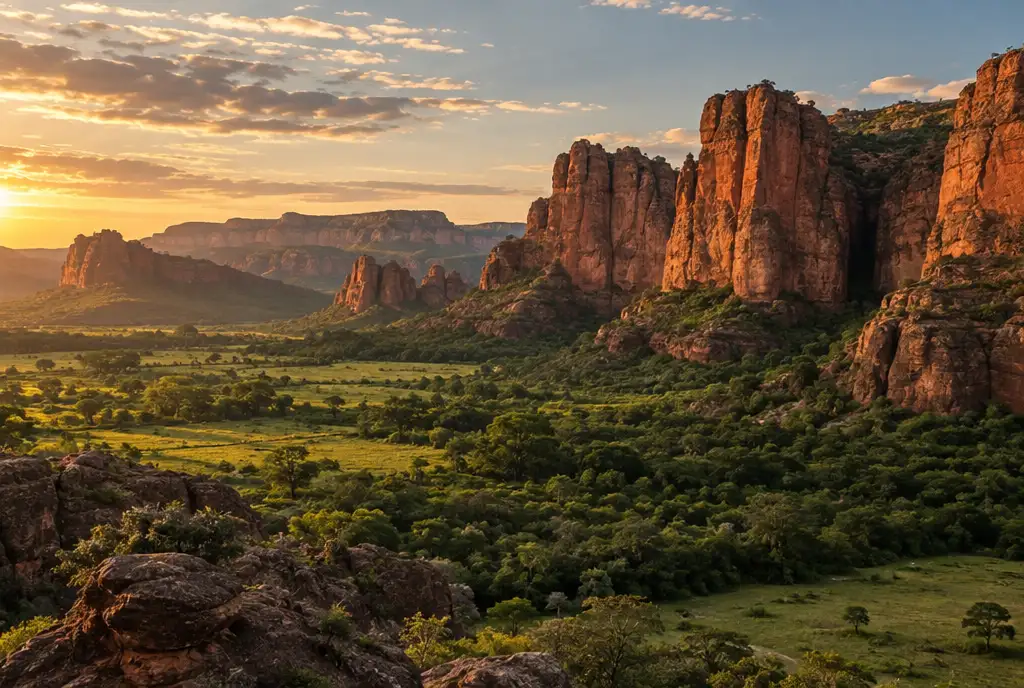
Discover Paraguay's hidden jungle: the Atlantic forest
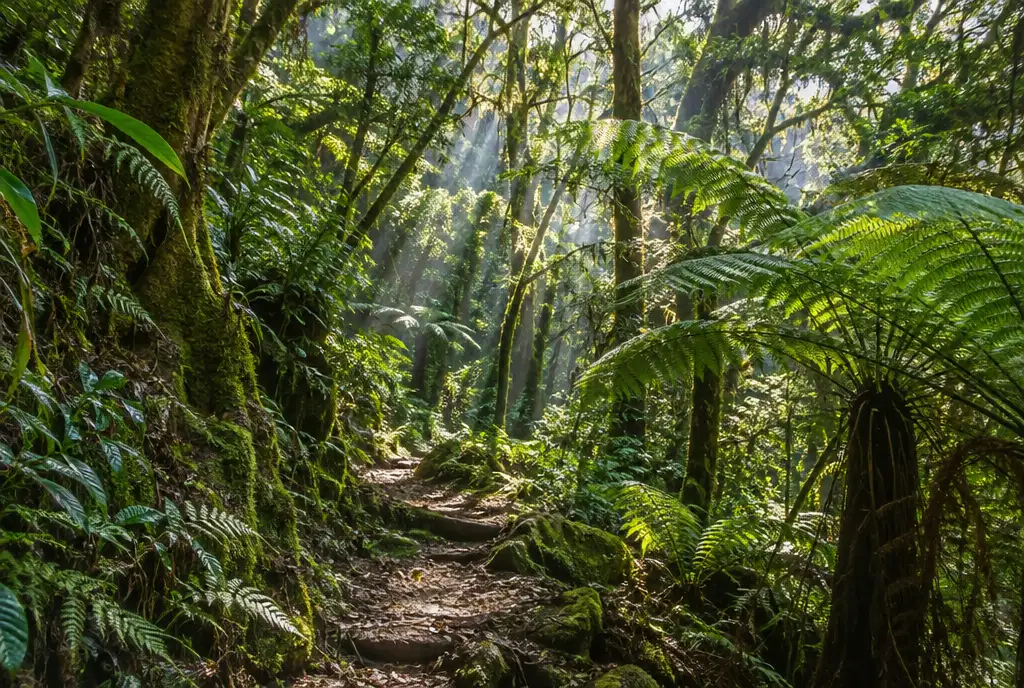
The Atlantic Forest Paraguay holds is one of the country's best-kept secrets. Most travellers picture Paraguay as flat cattle country and the dry thornscrub of the Chaco, so it surprises people to learn the country also holds a slice of one of the most biodiverse ecosystems on Earth: the Atlantic Forest, or Bosque Atlántico del Alto Paraná. It once stretched in an unbroken band from northeastern Argentina through Paraguay's eastern departments and deep into Brazil. Today, across all three countries, only a small fraction of the original forest remains (conservation groups generally put it well under 10 percent), and Paraguay's eastern region, particularly around Itapúa, Canindeyú and Alto Paraná, holds some of the last significant fragments.
Why this forest matters
The Atlantic Forest is consistently ranked among the world's biodiversity hotspots, meaning it holds extraordinary numbers of species found nowhere else, set against extreme habitat loss. Paraguay's remaining patches, though small compared to what once existed, still support jaguars, tapirs, howler monkeys, a huge range of birdlife, and plant diversity that rivals far larger protected areas elsewhere in South America. Unlike the more commonly photographed Chaco or the wetlands of the Pantanal, this ecosystem doesn't get much attention outside Paraguay, which is part of what makes visiting it feel like discovering something genuinely under the radar.
Deforestation for soy and cattle expansion through the twentieth century hit this region especially hard, and what's left is largely protected in a patchwork of national parks, private reserves and indigenous territories. Conservation efforts here (reforestation corridors, anti-poaching patrols, ecotourism income for local communities) are a genuine, ongoing story, not a finished one, and visitors who come with realistic expectations tend to leave more impressed than those expecting a manicured nature park.
Where to see the Atlantic Forest Paraguay protects
The most accessible entry points are protected areas in Paraguay's eastern departments. San Rafael National Park and the Mbaracayú Forest Nature Reserve are among the best-known remnants, both requiring some planning and often a local guide, since trails aren't as developed as in more touristed countries. Closer to the triple-border area, smaller private reserves and eco-lodges built around Atlantic Forest fragments offer shorter, guided visits, a good option if you're short on time or new to jungle hiking. Check each reserve's current rules and whether visits must be arranged in advance. If you're already headed toward Ciudad del Este for the falls or Itaipu Dam, building in a day at one of these forest fragments can be a manageable add-on rather than a separate expedition. Our Ciudad del Este guide covers that base in more detail.
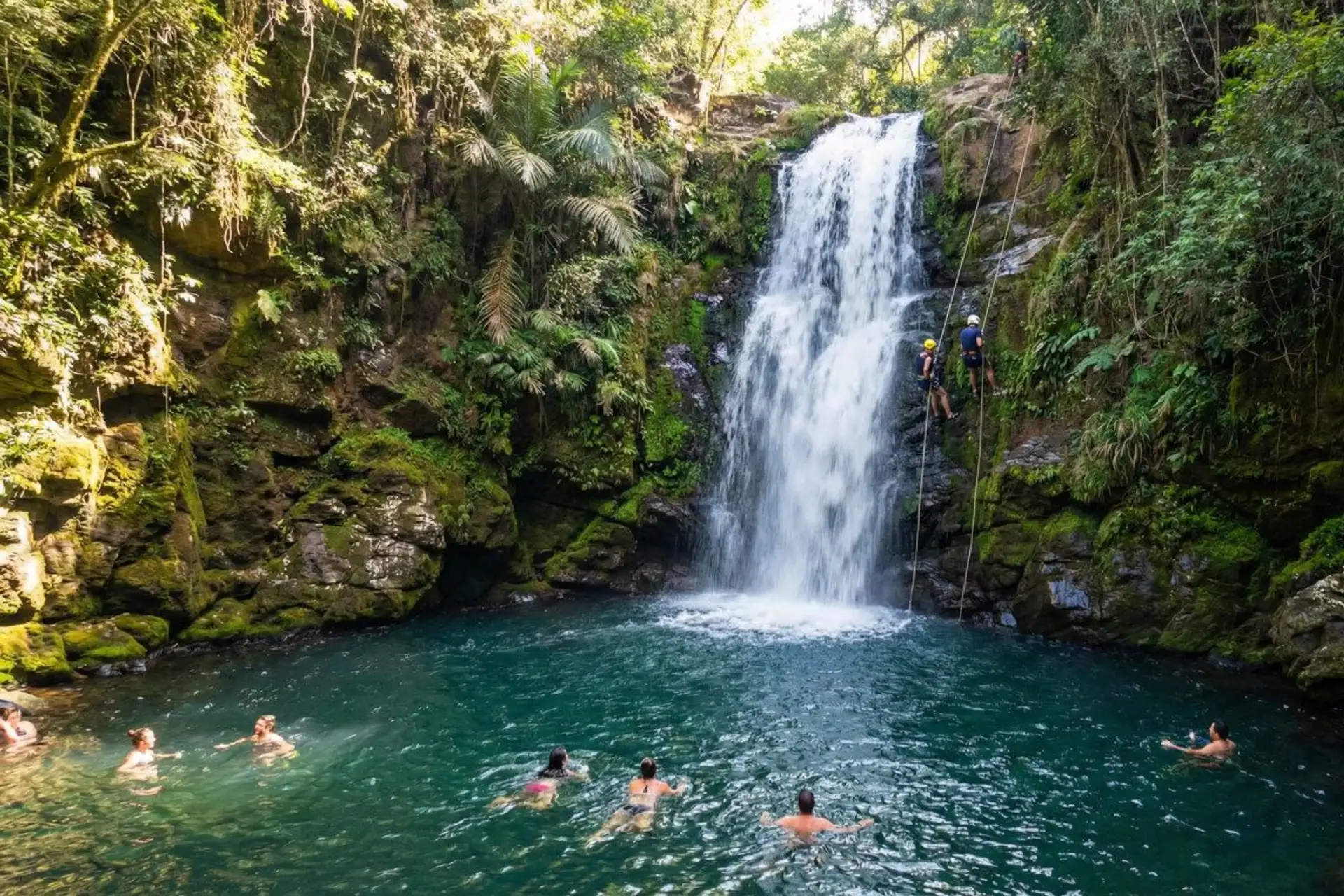
Expect humid, dense, genuinely wild forest, not a boardwalk experience. Trails can be muddy, insects are part of the deal, and a knowledgeable local guide dramatically increases what you'll actually see and understand, from bird calls to medicinal plant use by local communities.
Practical information
- Where: eastern Paraguay, in the Itapúa, Canindeyú and Alto Paraná departments, including San Rafael National Park and the Mbaracayú reserve
- Best time to visit: the cooler, drier months (roughly May to September) are more comfortable for hiking; the wet season brings heavier rain and mud but also more active wildlife
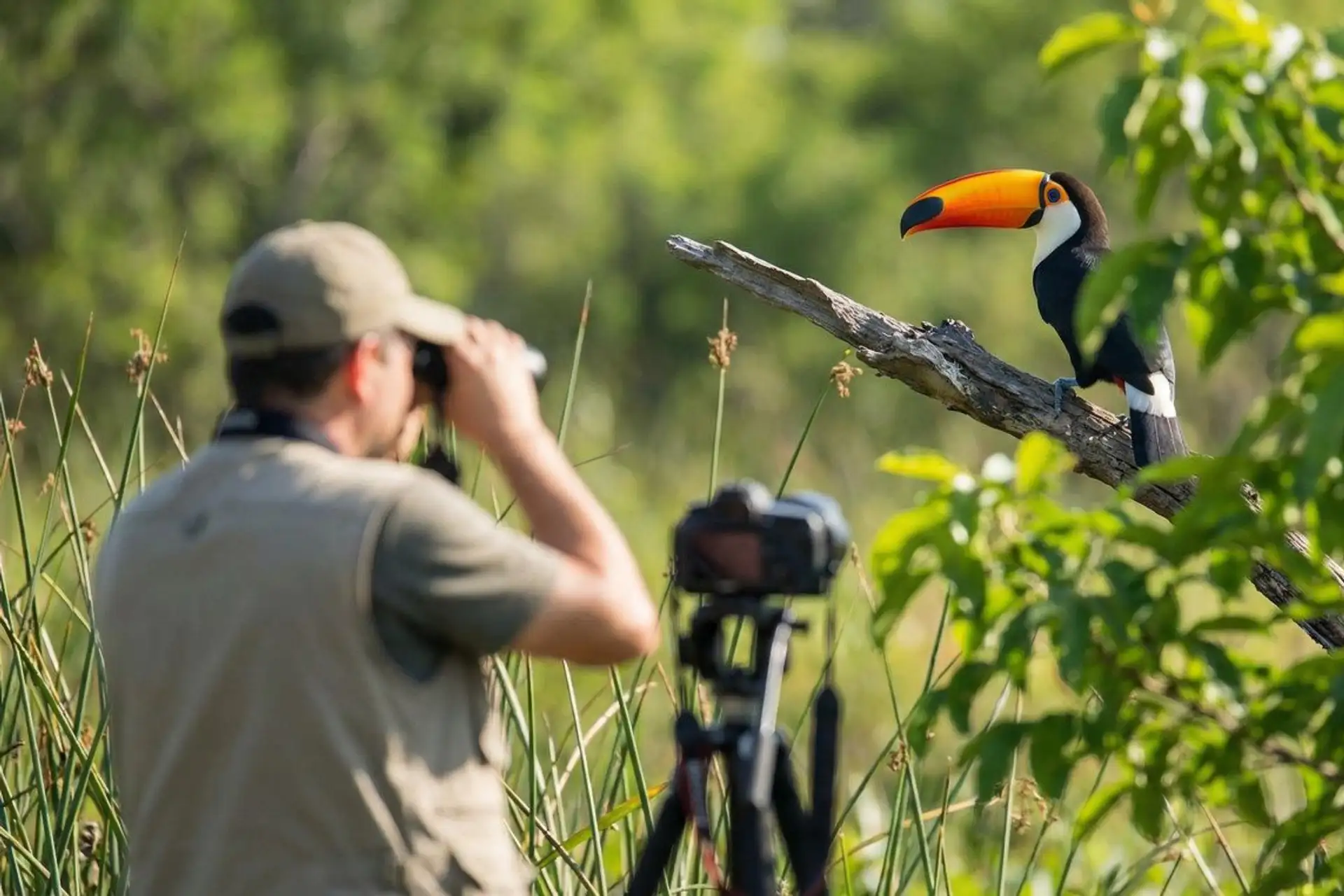
- What to bring: sturdy closed hiking shoes, insect repellent, long sleeves and trousers for undergrowth and mosquitoes, a rain layer, and binoculars if birdwatching interests you
- Getting there: most fragments need private transport or an organised visit from Ciudad del Este, Encarnación or a nearby town; check current access and any permit requirements before you go, as reserve rules do change
- Guides: hiring a local guide directly or through the reserve is strongly recommended, both for safety on unmarked trails and because they will spot wildlife you'd otherwise miss entirely. Before you commit, ask for a written price and what it includes, check the guide or operator's SENATUR registration where it applies, and ask about cancellation terms and insurance
- What you might see: howler monkeys, toucans and a huge range of birdlife, and with real luck and patience, signs of larger mammals such as tapir; jaguar sightings are rare and should never be expected or sought out
Frequently asked questions
Is the Atlantic Forest the same as the Amazon?
No, they're distinct biomes. The Amazon is the vast rainforest further north and west; the Atlantic Forest is a separate, historically coastal-to-inland forest system running through eastern Paraguay, southern Brazil and northeastern Argentina, and it's actually more endangered than the Amazon in percentage terms, having lost a far greater share of its original extent.
Do I need a guide to visit?
It's strongly recommended. Trails in Paraguay's forest reserves are less developed than in more heavily touristed parks, wildlife is easier to spot with a trained eye, and a local guide also supports the communities working to protect these fragments.
What wildlife will I realistically see?
Birds and monkeys are the most reliable sightings; a good guide will help you hear and identify a striking range of species even without every animal showing itself. Larger mammals like tapir or jaguar are present but elusive and should be treated as a bonus, not an expectation.
Is it safe to hike in this forest?
Yes, with sensible precautions: stick to guided trails, wear appropriate footwear and clothing for insects and mud, carry water, and let someone know your plan if you're heading somewhere remote. For general travel safety information, Paraguay's travel advisory from the US State Department is worth checking before any trip.
How much of the original forest is left in Paraguay?
Estimates vary, but conservation organisations generally describe well under 10 percent of the original Atlantic Forest across its historic range as remaining, with Paraguay's eastern fragments among the more significant surviving pieces. These figures are worth checking against current conservation sources rather than treating as fixed.
Want to fit a forest day into a wider trip? See our suggested Paraguay itinerary for ideas on how to combine regions yourself. Spotted something out of date? Let us know.