Exploring Paraguay's National Parks: A journey through diversity & wilderness
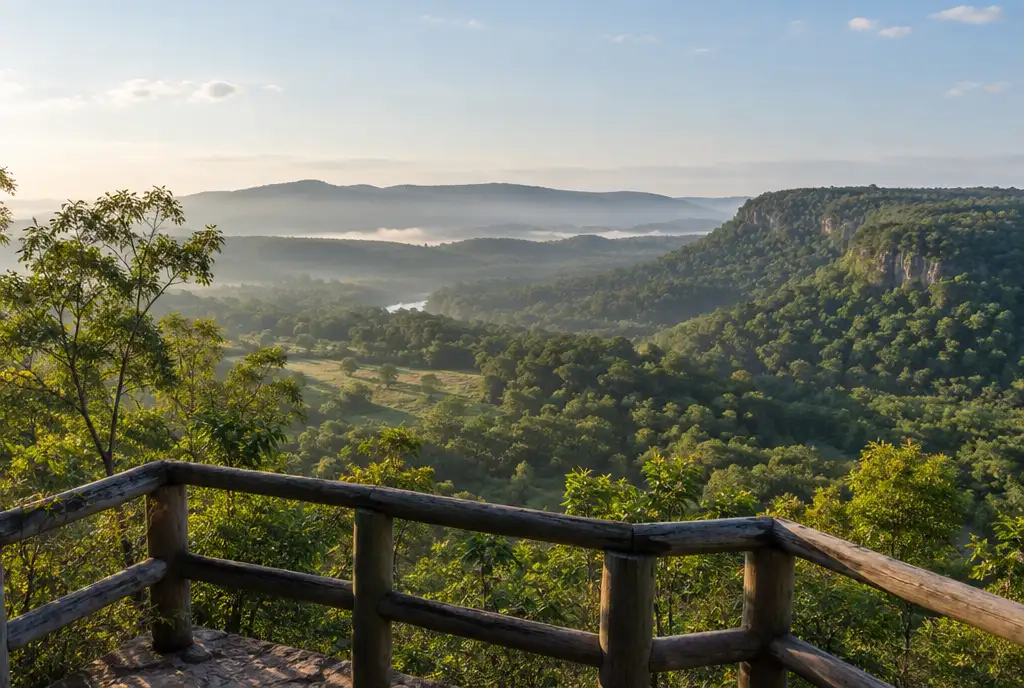
Paraguay national parks rarely make it onto a first-time South America itinerary, and that is exactly why they're worth the detour. The country sits at the meeting point of three very different ecosystems — the Atlantic Forest in the east, the vast wetlands of the Pantanal in the far north, and the dry Chaco scrubland to the west — and its protected areas give visitors a real shot at seeing that range in a country most travelers only pass through on the way to Iguazú. Trail infrastructure is modest compared to Brazil or Argentina's national parks, which is part of the appeal: you're more likely to have the forest to yourself than to share it with a tour bus.
Cerro Corá: the most visited of Paraguay national parks
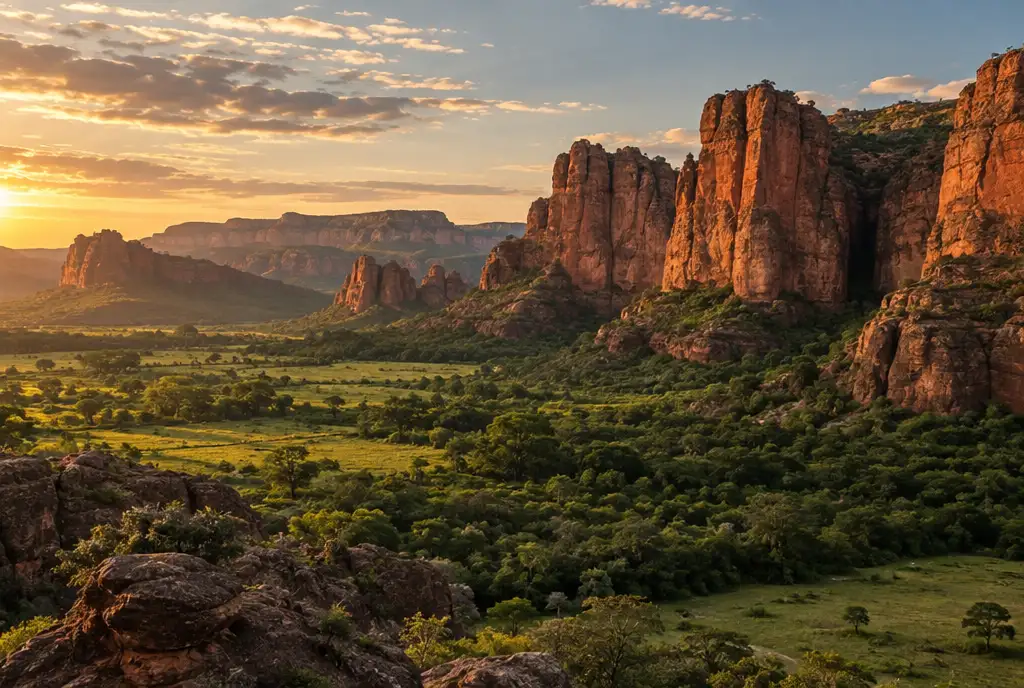
Cerro Corá National Park (also see its background on Wikipedia), near the Brazilian border in Amambay department, is probably the most visited of Paraguay's national parks, and for two reasons. First, it's where Paraguay's president Francisco Solano López was killed in 1870, at the end of the devastating War of the Triple Alliance — a monument marks the spot, and the park carries real weight in national memory. Second, it's simply striking terrain: isolated granite hills (cerros) rise out of grassland and forest, with short but rewarding hikes to viewpoints over the surrounding plains. It's manageable as a half-day or full-day visit if you're already exploring the northeast of the country.
Ybycuí: Atlantic Forest close to Asunción
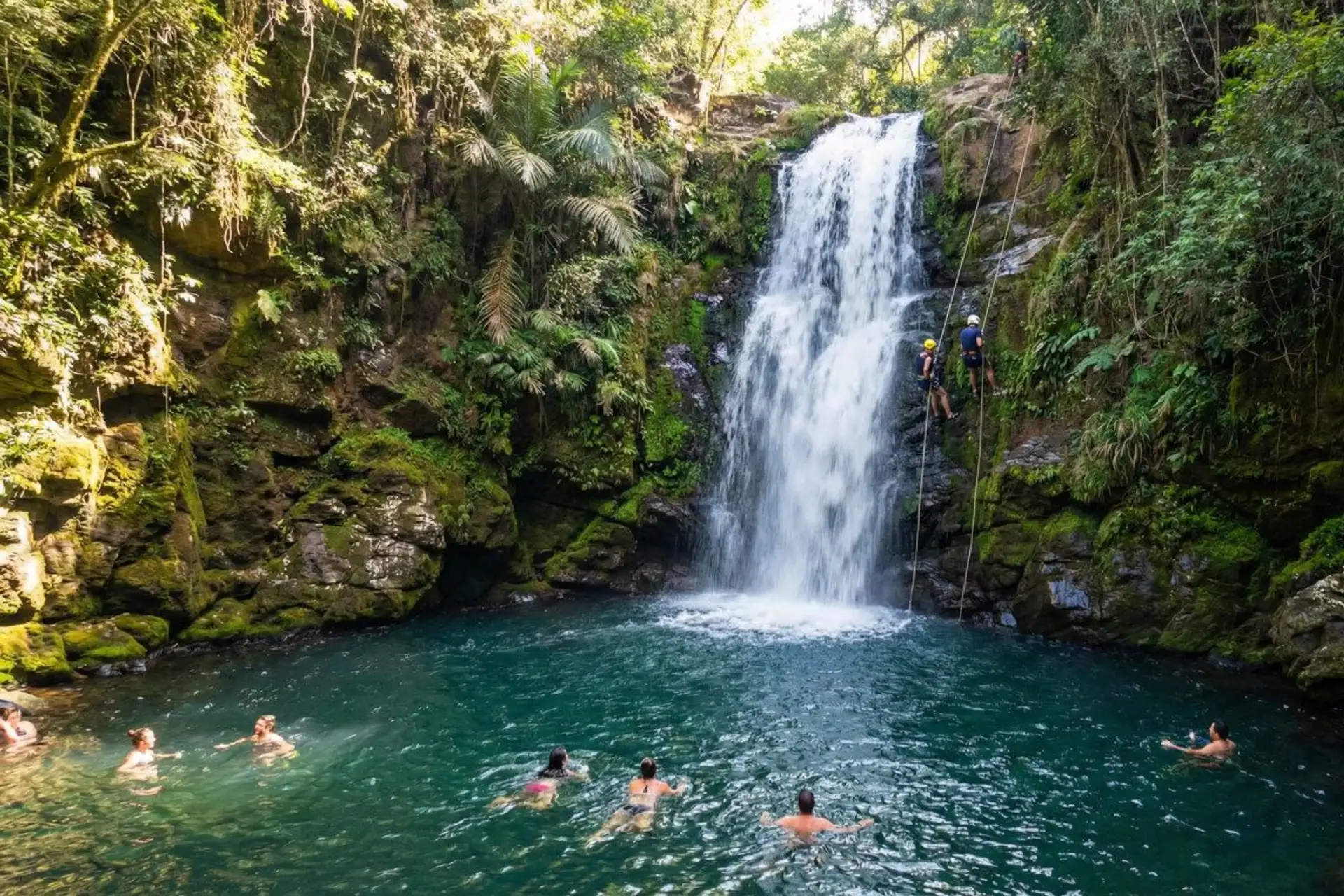
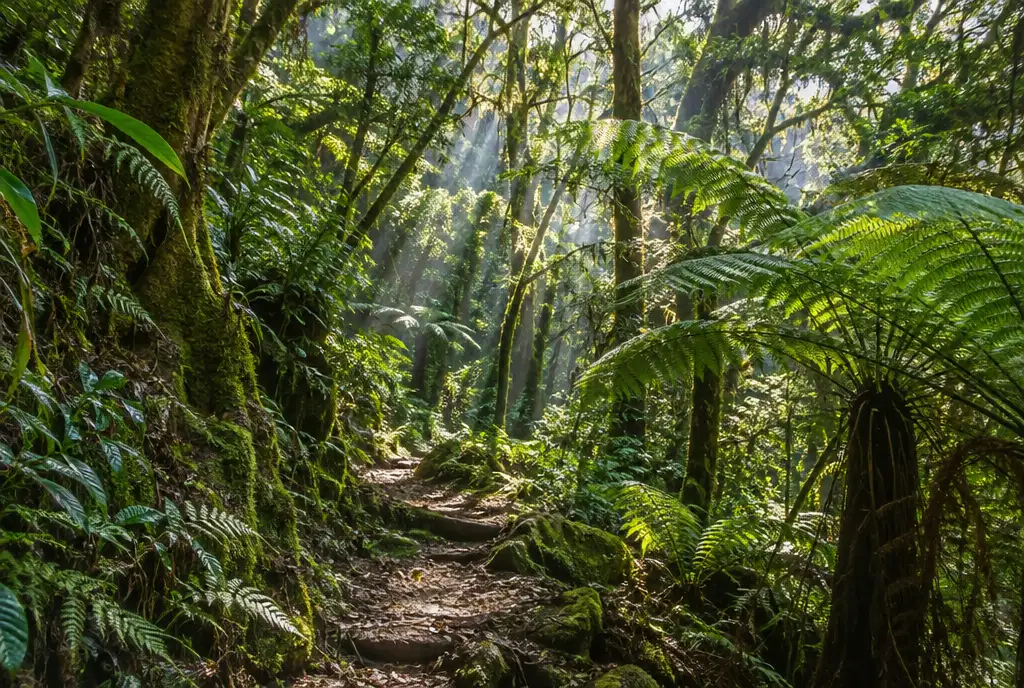
Parque Nacional Ybycuí — reachable in roughly two to three hours from Asunción — protects one of the largest remaining fragments of Paraguay's Atlantic Forest, the same ecosystem that once stretched across much of eastern Paraguay, southern Brazil and northeastern Argentina before large-scale clearing for agriculture. Inside the park, trails wind past waterfalls, including the popular Salto Guaraní, and through dense, humid forest that shelters birdlife you won't see in the drier Chaco. The ruins of a 19th-century iron foundry inside the park add a layer of industrial history to the natural setting. Ybycuí is the easiest genuine rainforest experience for anyone based in the capital without a long drive.
The Chaco and the Pantanal: harder to reach, harder to forget
West of Asunción, across the Paraguay River, the landscape changes completely. The Gran Chaco is a huge, sparsely populated expanse of dry forest and scrubland shared with Argentina and Bolivia — one of the largest continuous dry forest ecosystems left on the continent. Protected areas here, along with the Mennonite colonies around Filadelfia, see far fewer visitors than the eastern parks simply because of distance and road conditions; a Chaco trip needs planning, ideally a 4x4 and more travel time than a weekend allows.
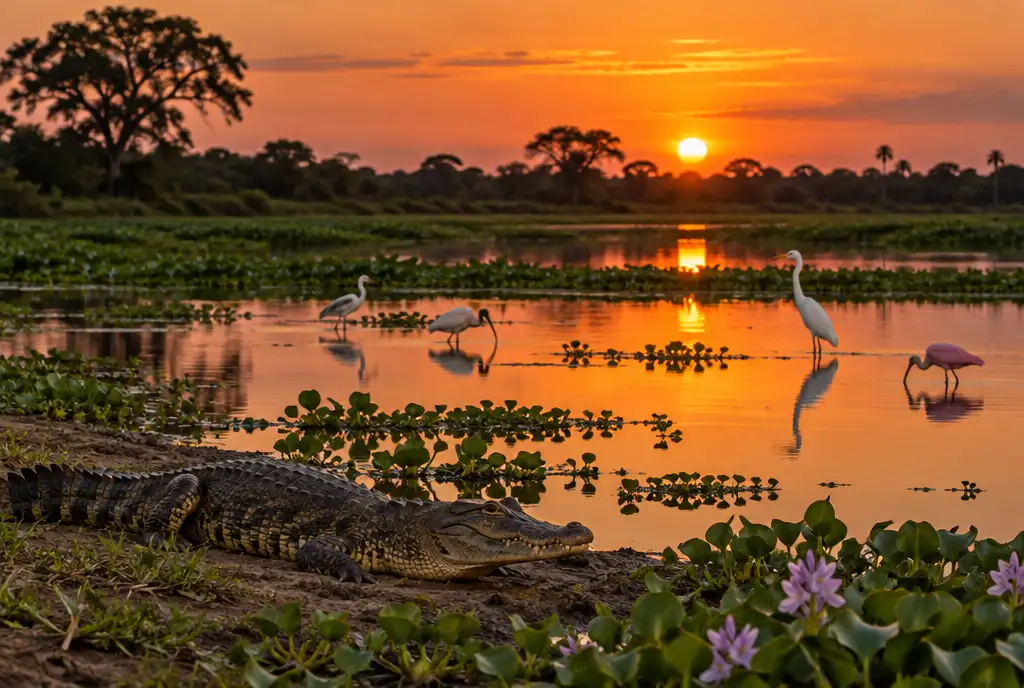
To the far north, wetland reserves bordering the Pantanal — the world's largest tropical wetland, shared with Brazil and Bolivia — protect some of the country's richest wildlife habitat, with caimans, capybaras and an exceptional range of birdlife. This is genuinely remote travel, usually arranged through a specialist operator with boat or light aircraft access, rather than a self-drive weekend trip.
Practical information
- Best time to visit: the dry season, roughly May to September, gives easier trail access and fewer mosquitoes; the wetter months (October to March) bring lush green forest but muddier paths.
- Getting there: Cerro Corá and Ybycuí are reachable by rental car or an organized tour you book with a licensed operator from Asunción; the Chaco and Pantanal reserves are far more remote and generally need a guide or tour operator with local knowledge of road and water conditions.
- What to bring: sturdy footwear, insect repellent, a refillable water bottle, and a hat — shade is limited on the Chaco's open scrubland and on Cerro Corá's exposed hilltops.
- Facilities: basic at best — check current hours and any entry requirements before you go, since ranger stations are not always staffed and signage can be limited compared to parks in neighboring countries.
- Guides: hiring a local guide, especially in the Chaco or Pantanal, adds real value — they know the wildlife-viewing spots and the safest routes, and it supports the small communities that live alongside these parks.
Frequently asked questions
How many national parks does Paraguay have?
Paraguay has a network of national parks and other protected areas spread across its three major ecosystems — Atlantic Forest, Chaco and Pantanal wetland — though not all are developed for tourism or easy for independent travelers to reach. Cerro Corá and Ybycuí are the most visitor-ready.
Which Paraguay national park is easiest to visit from Asunción?
Ybycuí, roughly two to three hours by road, is the most accessible option for anyone based in the capital who wants a genuine rainforest and waterfall experience without a multi-day trip.
Do I need a guide to visit the Chaco or Pantanal parks?
It's strongly recommended. Distances are long, roads can be rough or seasonal, and local guides know both the wildlife and the practical logistics — fuel, water, safe river crossings — far better than a visitor arriving independently.
Is it safe to hike alone in Paraguay's national parks?
The eastern parks like Cerro Corá and Ybycuí have marked trails and see enough visitors that solo hiking on the main paths is generally fine, though telling someone your route and expected return time is sensible anywhere with limited signal. Remote areas like the Chaco call for more caution and, ideally, a guide.
What wildlife might I see?
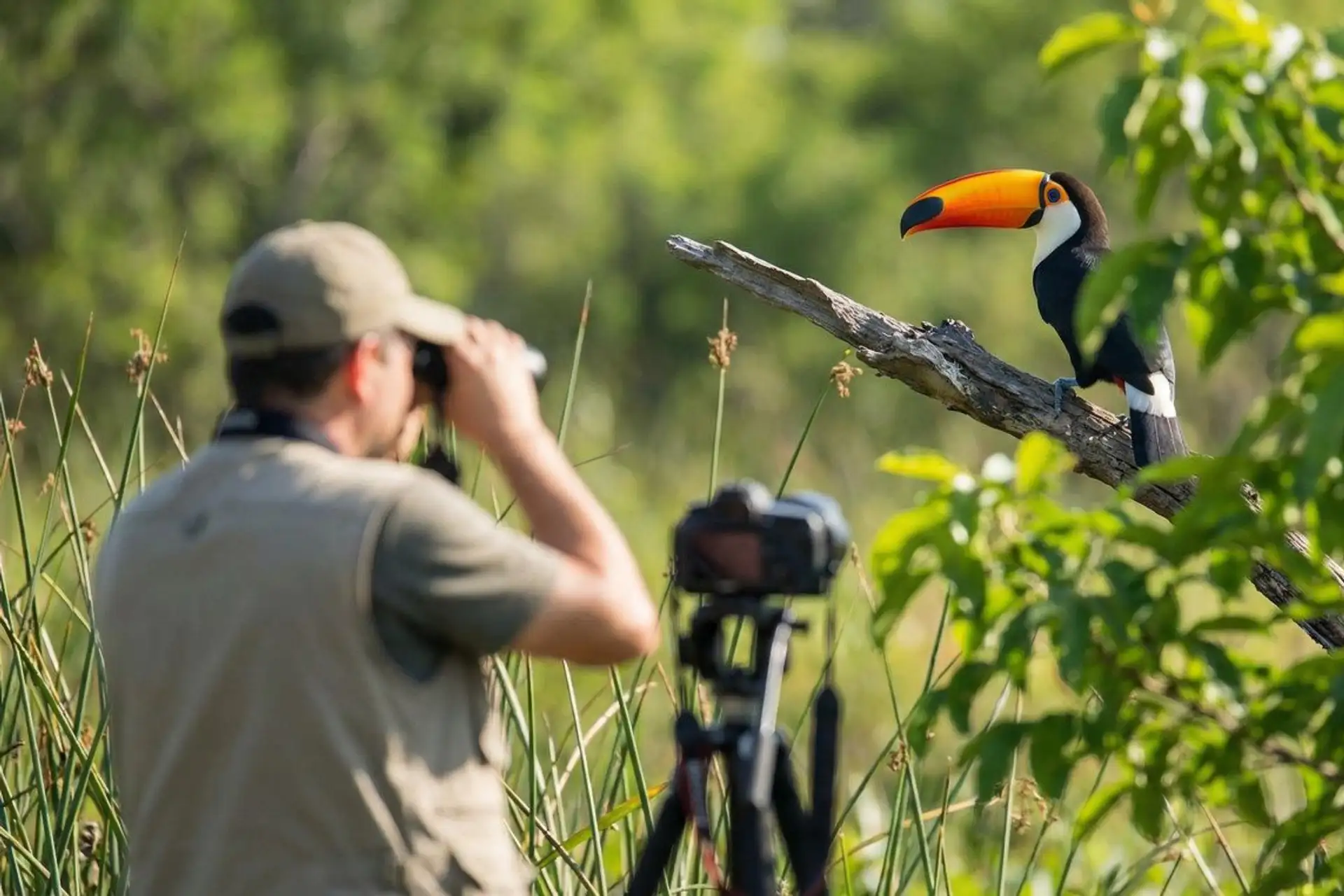
Expect birdlife across all the parks, plus capybaras and caimans in wetland areas near the Pantanal, and a chance — though never a guarantee — of spotting larger mammals like tapirs or foxes in the less-visited Chaco reserves.
Paraguay's national parks won't give you polished visitor centers or crowded lookout points, but they will give you forest, wetland and scrubland that feel genuinely wild, often without another tourist in sight. If you would rather not handle the logistics yourself, especially for the Chaco or Pantanal, hire a local guide or operator directly: ask for the route, inclusions, price and cancellation terms in writing, and check that an operator is registered with SENATUR. Our day trips from Asunción guide covers the easier options you can do on your own. For more ideas on where else to explore outdoors, see our roundup of Paraguay's beaches for when you want water instead of trees, or our bird-watching guide if the wildlife is the real draw for you. Spotted something out of date? Let us know.