Filadelfia, Chaco – A Journey into the Mennonite Heart of Paraguay
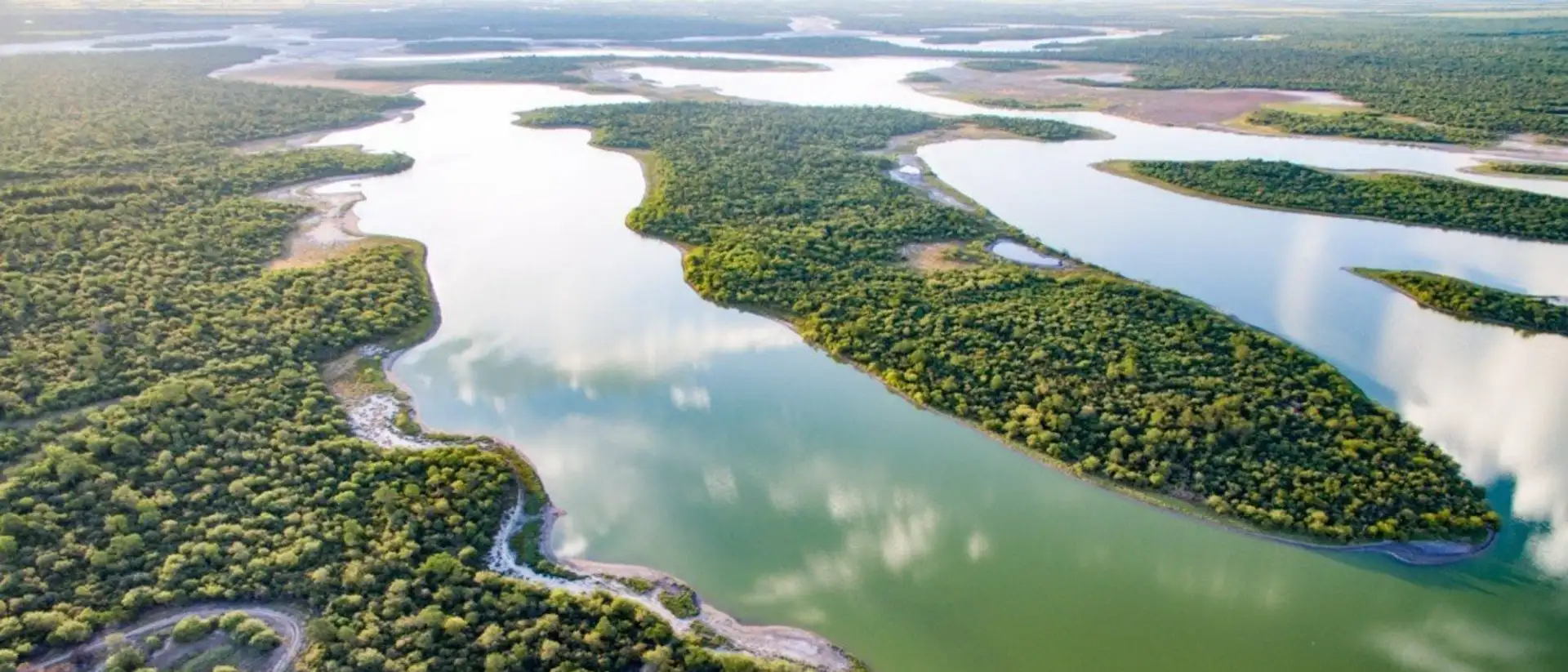
Filadelfia, Chaco sits in a part of Paraguay that surprises most first-time visitors: a hot, flat, thorn-forest interior settled not by Paraguayan farmers but by Mennonite colonists who arrived from Canada and the Soviet Union in search of a place to practice their faith and farm undisturbed. What they built out of that unlikely land is one of the more distinctive corners of South America — a town of German-speaking dairy cooperatives and neat grid streets, surrounded by hundreds of kilometres of dry forest that is home to some of the continent's least-seen wildlife.
How Filadelfia, Chaco came to be
Filadelfia is the administrative and commercial center of the Fernheim Colony, one of several Mennonite colonies established in the central Chaco starting around 1930, when groups fleeing religious persecution and upheaval in the Soviet Union settled this remote stretch of Paraguay with the government's blessing (worth flagging: the exact founding date and early settlement details vary slightly between sources, so treat that year as approximate rather than gospel). What began as subsistence farming on genuinely difficult land — the Chaco is hot, dry for much of the year, and was far from any infrastructure — grew into a dairy and agricultural cooperative economy that still defines the region today. Reading about the Mennonites in Paraguay before you go fills in a lot of context that's hard to piece together on a short visit.
The town itself feels like nowhere else in Paraguay: wide streets, German spoken alongside Spanish and Guaraní, cooperative-run supermarkets and dairies, and an unmistakable sense of order that stands in contrast to the looser rhythm of the rest of the country.
The Chaco itself is half the reason to go
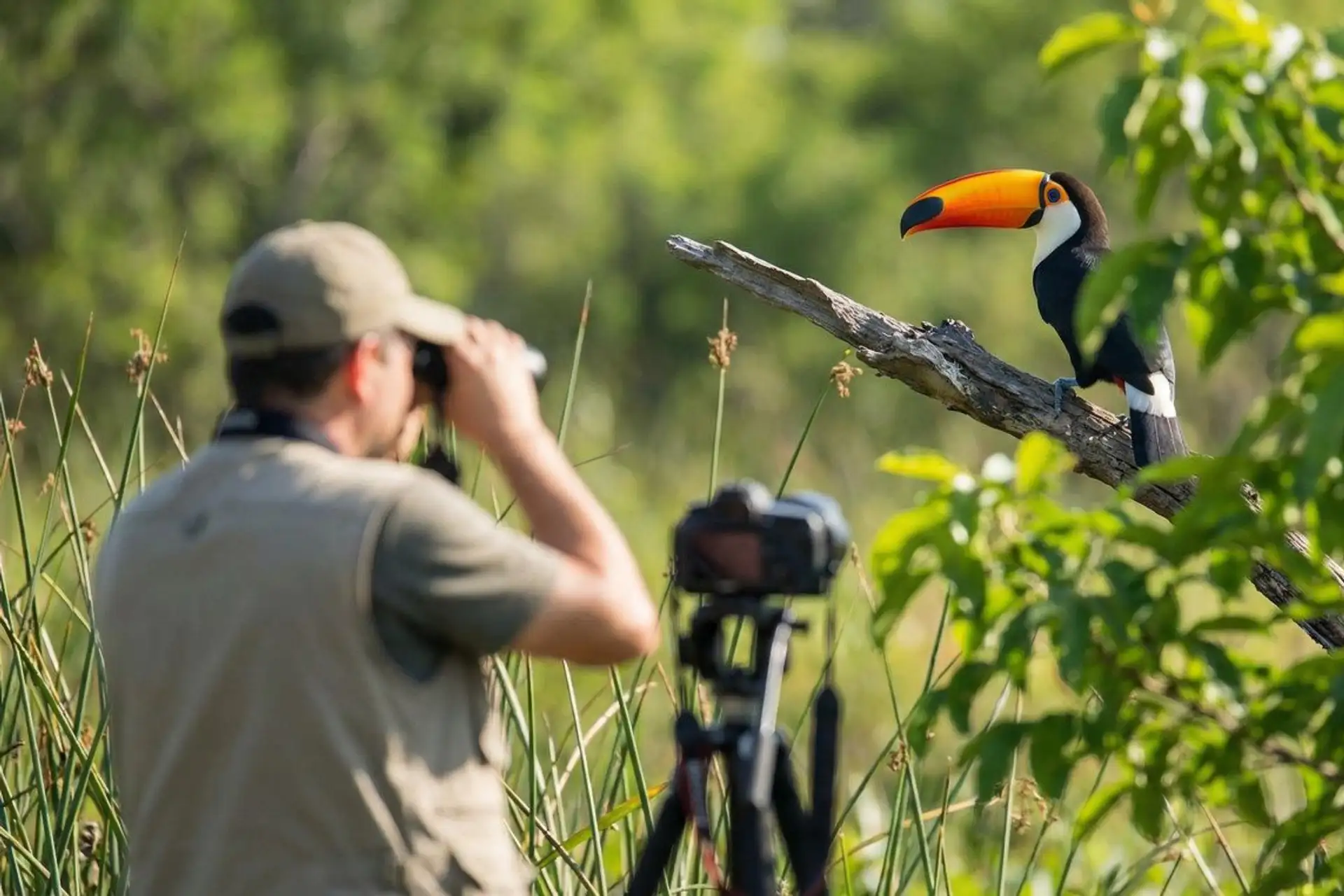
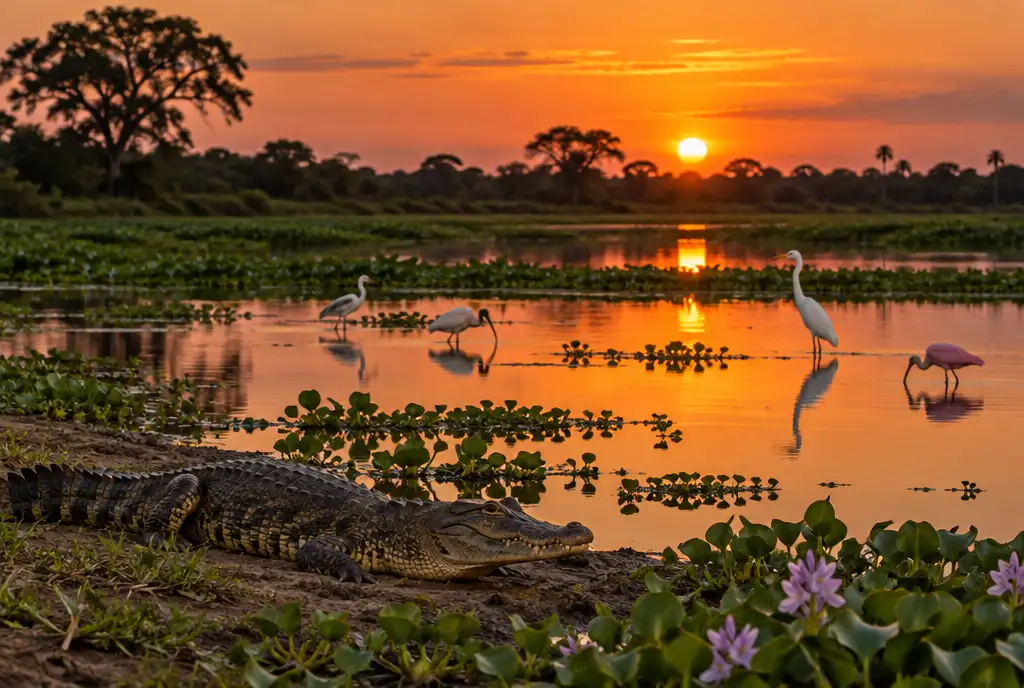
Filadelfia is a gateway to the Gran Chaco, one of South America's great dry forests and a genuinely wild landscape — thorn scrub, seasonal wetlands, and a level of biodiversity that doesn't announce itself the way a rainforest does but rewards patience. Jaguars, tapirs, giant anteaters, and an exceptional range of bird species live in this region, though sightings take real effort and often a knowledgeable local guide rather than luck. Indigenous communities, including Nivaclé and Enlhet peoples, live throughout the central and greater Chaco, and their presence is part of the region's story alongside the Mennonite colonies.
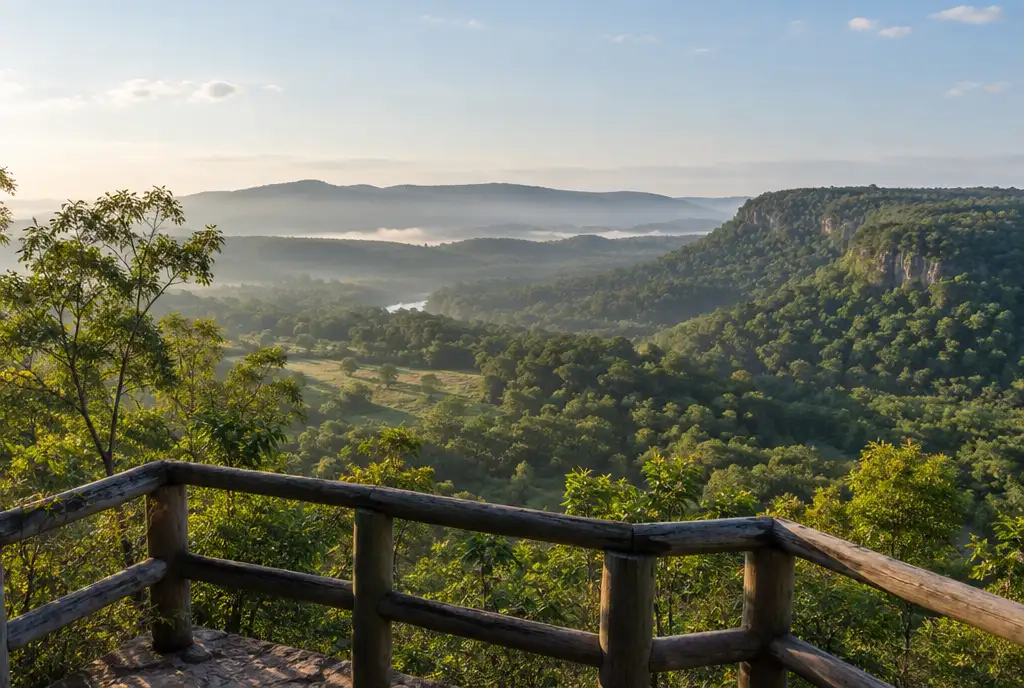
If your usual Paraguay itinerary leans toward the greener, wetter east — places like the Atlantic Forest or Paraguay's national parks — the Chaco is a genuinely different ecosystem and worth the contrast, provided you have the time and appetite for a long drive.
Getting there and what the trip involves
Filadelfia is reached via the Trans-Chaco Highway, a long paved road running northwest from Asunción through increasingly empty country. It's roughly 450 kilometres from the capital (worth double-checking current mileage if precision matters to your planning), which typically makes for a full day's drive rather than a quick side trip — this is not a casual day excursion from Asunción the way Caacupé or San Bernardino are. Fuel stops thin out the further you go, so top up before long stretches, and carry more water than you think you'll need; the Chaco heat is a different order of intensity than Asunción's.
Most visitors either self-drive, hire a driver for the full round trip, or join a tour built around the Chaco and its Mennonite colonies, since public transport options thin out considerably once you're off the main highway corridor. If you hire a driver or guide, get the price, inclusions and cancellation terms in writing, ask about insurance, read recent reviews and check a tour operator's SENATUR registration; our guide to hiring a private driver covers what to look for.
Practical information
- Getting there: self-drive or hired driver on the Trans-Chaco Highway from Asunción; a full day's drive each way, so plan for at least one overnight
- Best time to visit: the cooler dry season (roughly May–September) is far more manageable than the peak of summer, when Chaco heat is extreme
- What to bring: more water than feels necessary, sun protection, a full tank of fuel before long stretches, and cash, since rural cooperative shops may not all take cards
- Where things are run: cooperative supermarkets, dairies and services in town — a legacy of the colony's founding structure
- Wildlife watching: hire a local guide if seeing Chaco wildlife is a priority; sightings are far more likely with local knowledge than on your own
- Check ahead: confirm current road conditions on the Trans-Chaco Highway before a long-distance drive, especially after heavy rain
Frequently asked questions
Is Filadelfia worth the long drive from Asunción?
If you're curious about a genuinely different side of Paraguay — Mennonite colony culture and true dry-forest wilderness — yes. If your time is limited, weigh it against closer options; it's a real commitment, not a half-day detour.
What language is spoken in Filadelfia?
German (specifically a Low German dialect, Plautdietsch) is widely spoken among the Mennonite community, alongside Spanish and Guaraní. Most people you'll interact with in shops and services speak Spanish as well.
Is the Chaco safe to drive through?
The Trans-Chaco Highway is a well-established paved route, but it crosses genuinely remote country with long stretches between fuel and services. Standard road-trip precautions — full tank, water, checking conditions before you go — matter more here than on shorter drives.
Can I see Chaco wildlife without a specialist guide?
It's possible but much less likely. A local guide familiar with the terrain and animal behaviour dramatically improves your odds of seeing anything beyond birds from the road.
Is there somewhere to stay overnight in Filadelfia?
Yes, the town has accommodation options suited to the colony's role as a regional hub — check current availability and reserve ahead directly with the property, since options are more limited than in Asunción.
Curious about Mennonite culture and the Chaco beyond what a single guide can cover? Read our guide to Paraguayan culture and our suggested Paraguay itinerary for ways to build Filadelfia into a longer independent trip. Spotted something out of date? Let us know.