Paraguay Tour: A Suggested Independent Itinerary
How to plan your own Paraguay tour, from a city break to a 7 to 14 day loop

Plan your own Paraguay tour with a suggested independent itinerary, ideas for heritage, nature and photography trips, and tips on transport and local guides.
Independent guide: we do not sell, book or arrange this trip or any service mentioned here, and no provider paid to appear. Prices, timetables and rules change — confirm them with the provider or the official source before you go.
A Paraguay tour on your own is easier than it looks if you plan the route and the transport. This guide offers a suggested independent itinerary and shows how to adapt it for heritage, nature, photography or property-scouting trips.
Why Build Your Own Paraguay Tour
Most of Paraguay's best places are not on a standard trail, which makes it a good country for independent travellers who like to set their own pace. You might want to visit the village where your grandparents were born, spend three days watching birds in the Chaco, or drive across the country at your own speed. With a little planning, all of that is possible without a pre-packaged schedule.
Planning Your Own Paraguay Tour
Paraguay does not have a single obvious tourist trail, which is part of its appeal. There is no standard package and few crowds. It also means that a good trip takes some planning. Distances are long, public transport between the interior's towns is slower than the map suggests, and many of the best places are away from the main roads.
This guide is for travellers who want to build a Paraguay tour on their own. It sets out a suggested itinerary of about a week to ten days, shows how to adapt it for different interests (family history, nature, photography, property scouting), and explains how to get around and how to hire local help directly when you need it.
How to Build an Independent Paraguay Tour
Start with the shape of the country. Asunción, the capital, sits on the Paraguay River and is the natural arrival point. To the east and south are the most visited places: the Jesuit missions in Itapúa, the lake towns near Asunción, and Ciudad del Este and the Itaipu Dam on the Brazilian border. To the west is the Chaco, a vast and sparsely populated region of ranches, wetlands and Mennonite colonies, which needs more time and a suitable vehicle.
Getting around. The main options are:
- Long-distance buses, which connect Asunción with most cities. See the Asunción bus terminal guide for how they work.
- A rental car, which gives the most freedom but requires care. Check licence requirements for visitors, insurance and the condition of rural roads, carry your documents and expect police checkpoints. Avoid driving at night outside towns.
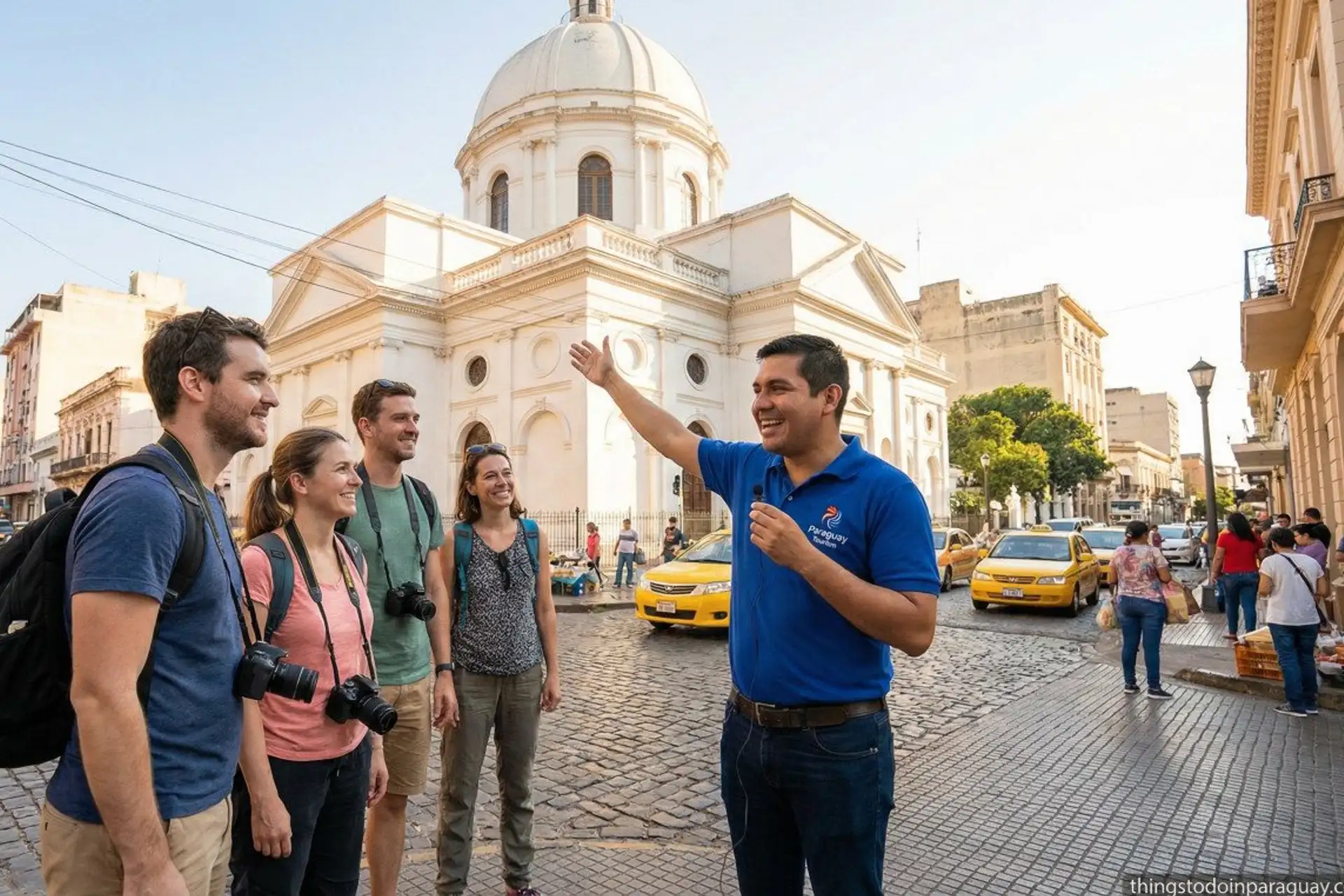
- A hired driver or guide, which can make sense for long routes or places with poor roads. Hire directly and compare more than one option. Check registration with SENATUR where it applies, ask for the price, hours and inclusions in writing, confirm vehicle insurance, agree cancellation terms and read recent independent reviews.
Safety and practicalities. Read the guides to Paraguay travel advice and whether Paraguay is safe, and check the official information of the Paraguayan tourism authority, SENATUR. Entry requirements depend on your nationality and change, so confirm them with Paraguayan immigration (Migraciones) before you travel.
If you only have a day or two, start with our day trips from Asunción. For a wider list of places, see top places in Paraguay and our Paraguay tourism guide.
Suggested routes
-
Days 1 to 2, Asunción
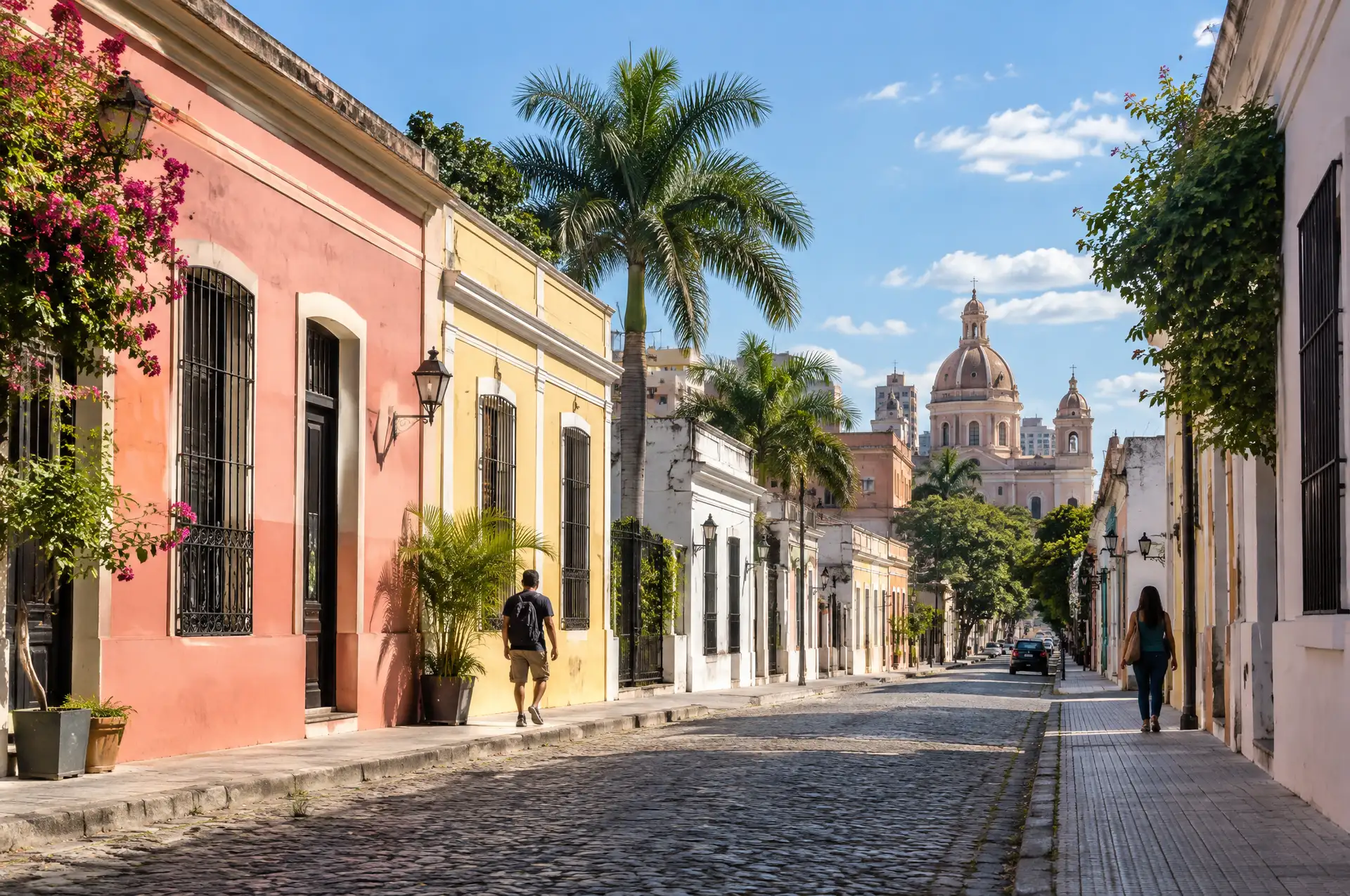
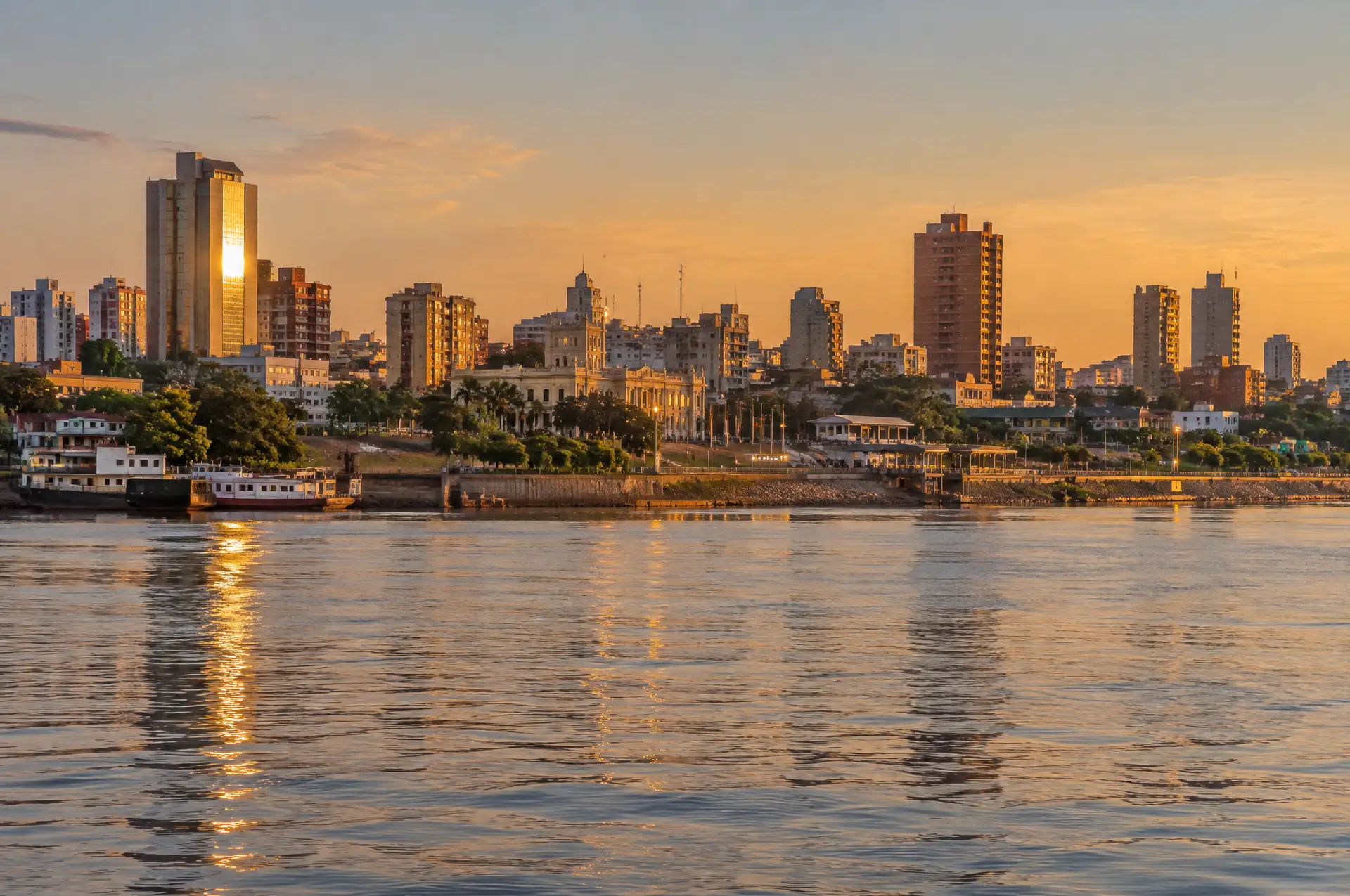
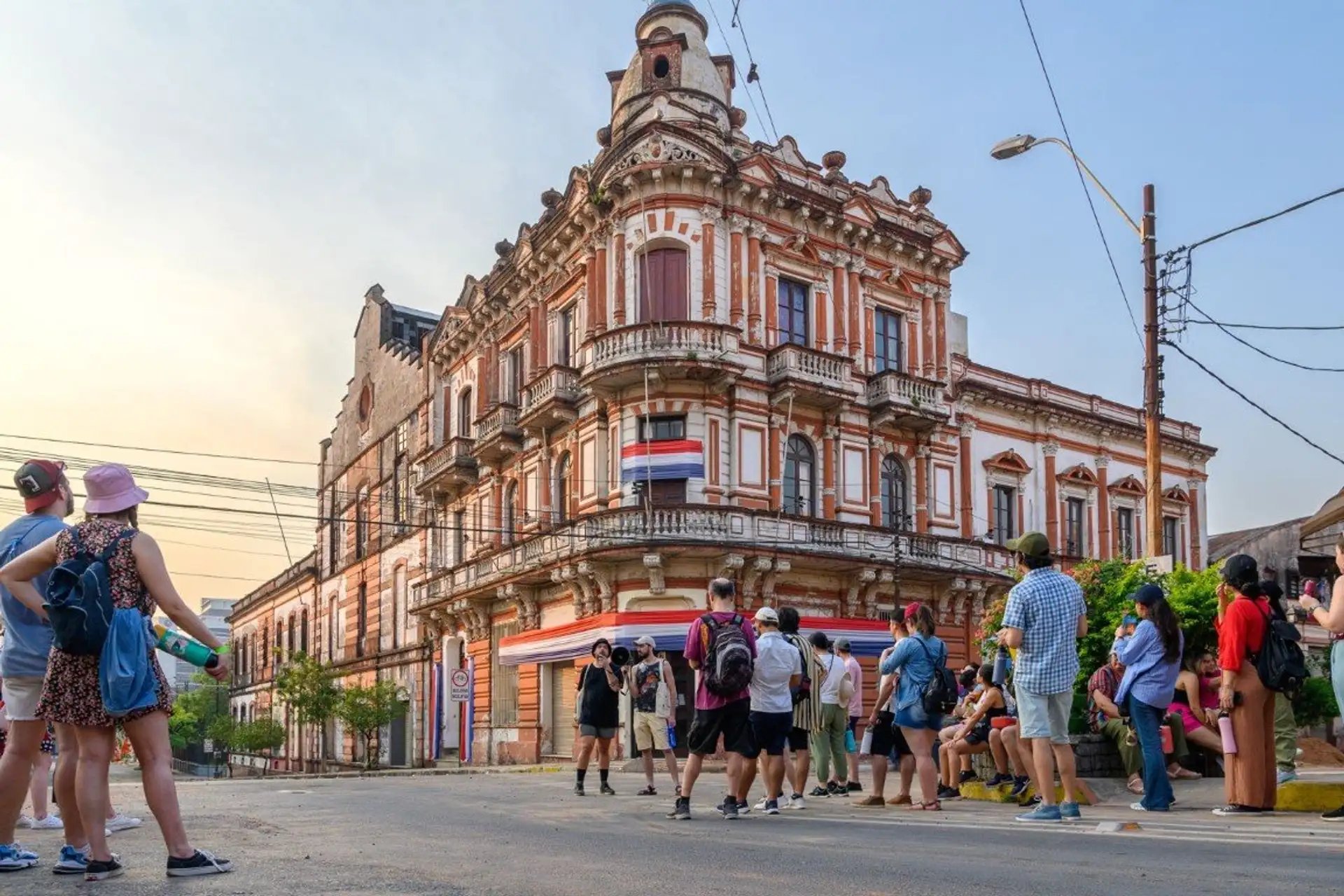
Spend a couple of days in the capital. Walk the historic centre, the riverfront and the neighbourhoods around the bay, try local food and get used to the pace and heat. Our Asunción city tour guide and what to do in Asunción have ideas.
-
Day 3, lake and hills
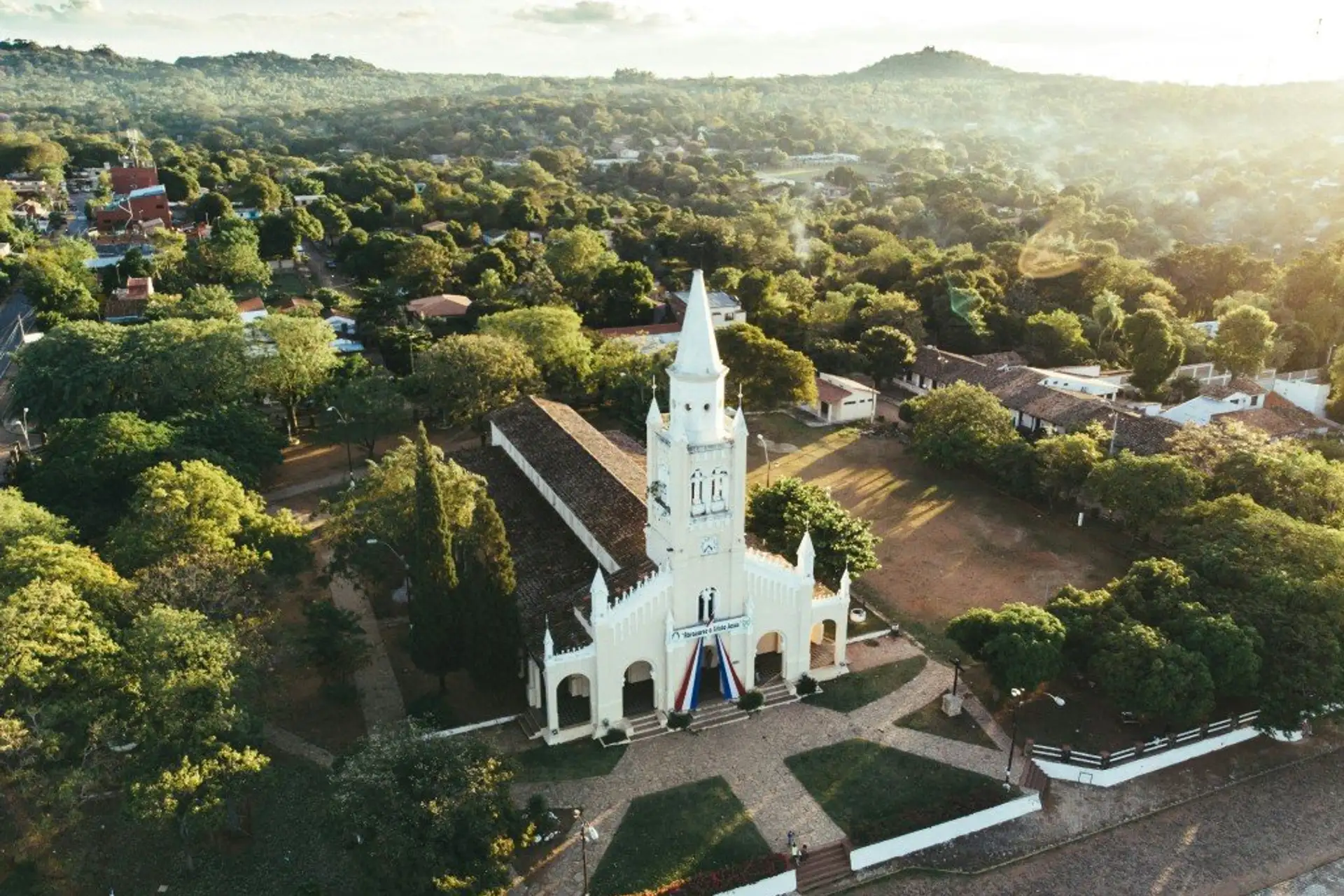
Take a day trip east to Lake Ypacaraí and the Cordillera hills. You can combine the lakeside town of San Bernardino with the pilgrimage town of Caacupé, or add artisan villages along the way.
-
Days 4 to 5, the south and the Jesuit missions
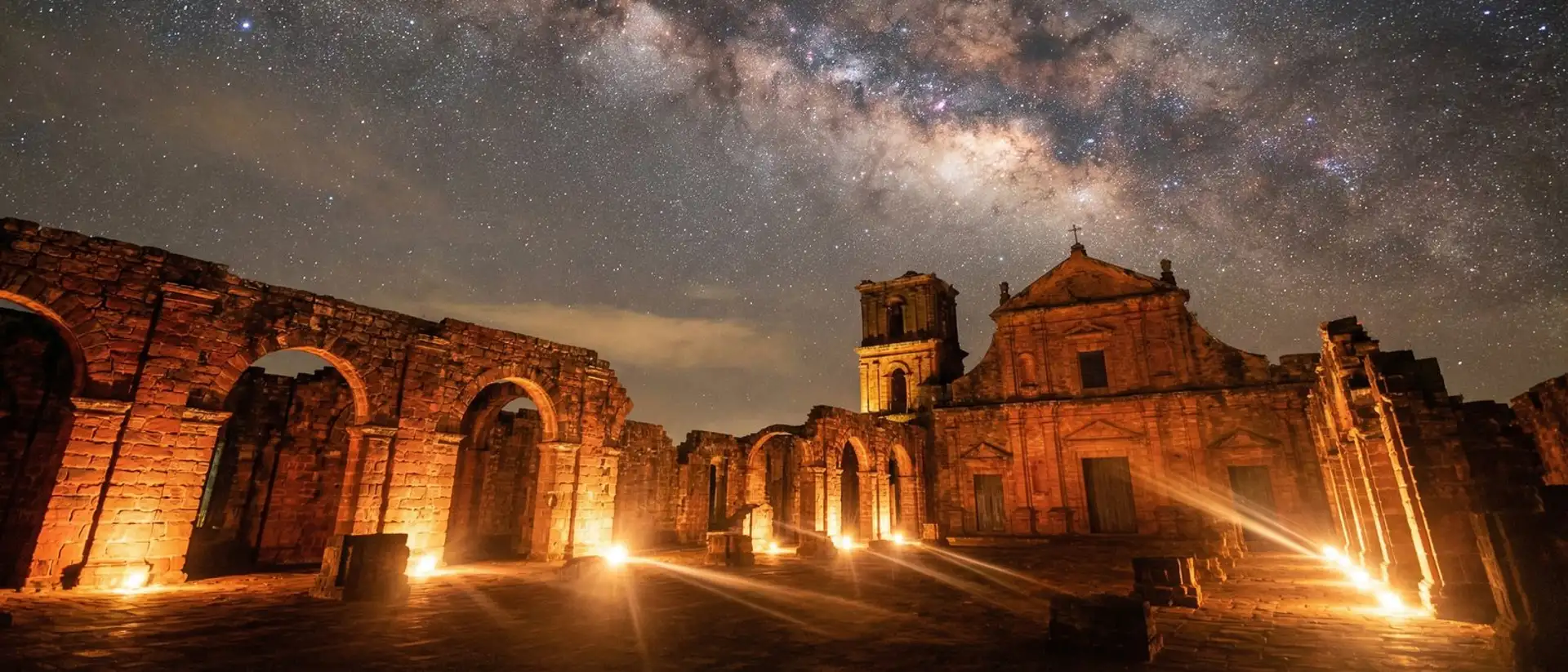
Head south to Encarnación and the UNESCO-listed missions of Trinidad and Jesús de Tavarangue. It is a long drive or bus ride (roughly 5 to 6 hours each way from Asunción), so an overnight stay in Encarnación works well. See our Jesuit ruins tour guide.
-
Days 6 to 7, the east
Continue to Ciudad del Este and the Itaipu Dam, and, if your documents allow, on to the Iguazu Falls. See the guides to the Itaipu Dam and Iguazu Falls from Asunción, and check border rules carefully.
-
Optional, the Chaco loop
If you have extra time, set aside several days for the Chaco, including Filadelfia and the Mennonite colonies, plus wildlife and bird watching. Distances are very long and roads can be difficult after rain, so plan carefully. See our Filadelfia and Chaco guide.
-
Heritage and ancestry trips
Many visitors come to trace family history in colonies founded by European and Asian settlers, such as Filadelfia, Hohenau or La Colmena. Before you go, gather names, dates and places from family records, and contact local church, municipal or colony archives and museums in advance, since opening hours can be limited. Consider whether you need a translator or a professional genealogist, and hire them directly after checking references.
-
Photography and nature trips
Plan around early morning and late afternoon light. Good subjects include colonial ruins, the Atlantic Forest, the Chaco and its birds, and the waterfalls. See the guides to bird watching, the Atlantic Forest and Paraguay's waterfalls.
-
Property scouting trips
If you are considering buying or renting, visit the neighbourhoods and regions you are interested in before you commit. See our self-guided real estate scouting guide for what to look at, and get independent legal advice before you buy.
Tips before you go
-
Be realistic about distances
Roads are decent on the main routes, but travel times add up. A trip from Asunción to the Jesuit missions or to Ciudad del Este is roughly 5 to 6 hours each way, and the Chaco is a much longer journey. Do not pack your days too tightly.
-
Travel in the cooler months if you can
Summers are hot and humid, and midday heat can be intense. The cooler months are more comfortable for walking and long drives, but check weather and road conditions before any trip.
-
Carry documents and cash
Carry your passport or ID, and any driving documents. Cards are widely accepted in cities, but small towns and rural sites often require cash in guaraníes.
-
Learn a little Spanish
English is not widely spoken outside tourist areas, and some Guaraní words are used in daily life. A basic phrasebook or translation app makes a real difference in smaller towns.
-
Confirm hours and fees before you go
Opening hours, entrance fees, bus timetables and border rules change. Check with the official source or the operator before you travel, and have a plan B for places that may be closed.
-
Hire help directly and compare
If you want a driver, guide or tour operator, contact several directly. Ask about SENATUR registration, written price and inclusions, insurance, cancellation terms and reviews. Avoid paying the full amount far in advance.
Practical information
- Time needed
- Flexible. A city break needs 2 to 3 days, a classic loop of Asunción, the lake, the missions and the east about a week to ten days, and a longer trip including the Chaco up to two weeks or more.
- Getting around
- Long-distance buses, rental cars and hired drivers. See the bus terminal guide and check licence and insurance rules if driving.
- Costs
- Transport, accommodation, food, entry fees and guide fees all vary. Check current prices with providers before you commit, and compare more than one option.
- Best time to go
- The cooler months are generally more comfortable. Summer is hot and can be rainy, and heavy rain can make rural roads difficult.
- Language
- Spanish and Guaraní are the main languages. Guides who speak English or German exist, but confirm in advance.
- Official information
- Paraguayan tourism authority SENATUR (senatur.gov.py) and Paraguayan immigration Migraciones (migraciones.gov.py).
Frequently asked questions
-
How many days do I need for a Paraguay tour?
A week to ten days lets you see Asunción, the lake region, the Jesuit missions and the east at a comfortable pace. If you want to add the Chaco, allow several more days. If you are short of time, choose one or two regions rather than trying to see everything.
-
Can I trace my family history in Paraguay?
Many visitors do. Gather names, dates and places in advance, and contact local archives, churches, municipalities or colony museums before you travel. A professional genealogist or a local translator can help, but hire them directly and check references.
-
Should I self-drive?
It gives you the most freedom, but long distances, rural roads, trucks and police checkpoints require care. Check licence and insurance rules for visitors, carry your documents and avoid driving at night outside towns. If you prefer not to drive, long-distance buses or a hired driver are alternatives.
-
Can I visit the Chaco?
Yes. It is a long journey from Asunción, so plan a multi-day trip. The Chaco is good for wildlife, birds and a look at the Mennonite colonies around Filadelfia. Roads can become impassable after heavy rain, so check conditions and have a flexible schedule. You can read more about the Mennonites in Paraguay.
-
Is food included in a trip like this?
When you travel independently, you pay for your own meals. Ask any driver or guide you hire what their price includes. Local food is a highlight, so see our Paraguayan cuisine guide.
-
How do I hire a local guide or driver?
Contact several directly. Check whether they are registered with SENATUR where that applies, ask for the price, hours and inclusions in writing, confirm vehicle insurance, agree cancellation terms, and read recent independent reviews. Be cautious of requests for full payment far in advance.
-
Can I change the plan during the trip?
One of the benefits of an independent trip is flexibility. Keep some slack in your schedule, and arrange accommodation in the interior in advance in busy periods such as holidays and festivals.
-
Do I need a visa?
It depends on your nationality, and requirements change. Check with Paraguayan immigration (Migraciones) and your own government's travel advice before you travel. This page is general information, not legal advice.
Start Planning Your Paraguay Tour
Paraguay rewards travellers who are willing to plan a little and travel slowly. Choose a region or two, check the practical details with official sources, and leave room for the unexpected. For more ideas, see our day trips from Asunción, top places to discover in Paraguay and the essential guide to Paraguay.
Spotted something out of date? Let us know.