Essential Guide to Paraguay: Regions, Climate, Customs & Services
Consider this your essential guide, Paraguay's basics laid out plainly: a landlocked country between Argentina, Brazil and Bolivia that most travelers know little about before they arrive, and that tends to surprise people once they do. It doesn't have the name recognition of its neighbours, but that's part of the appeal — fewer crowds, lower prices for a comparable experience, and a culture that's proudly, distinctly its own rather than a footnote to Brazil or Argentina. Here's the orientation you actually need before you land.
Essential guide, Paraguay's regions in brief
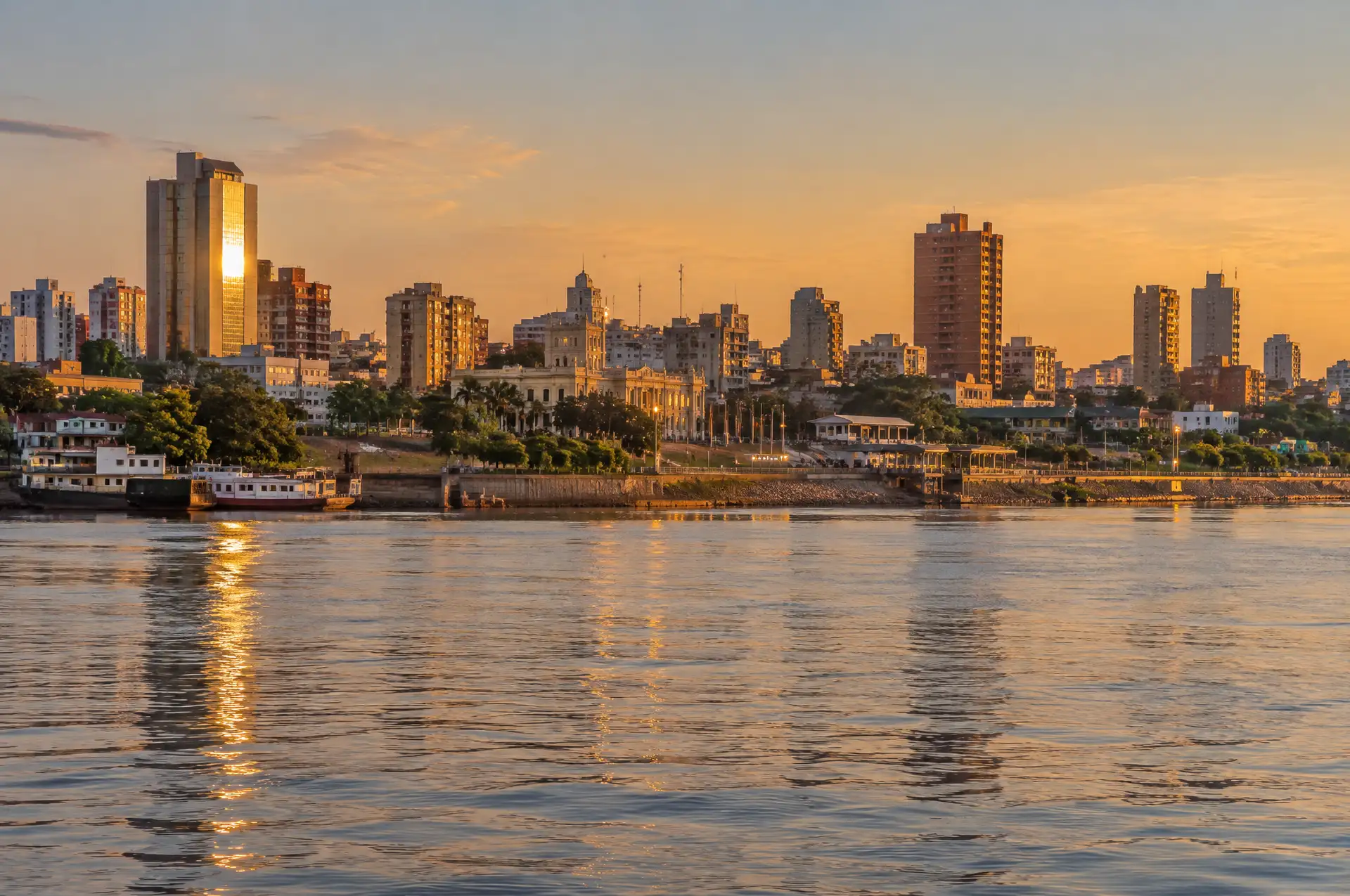
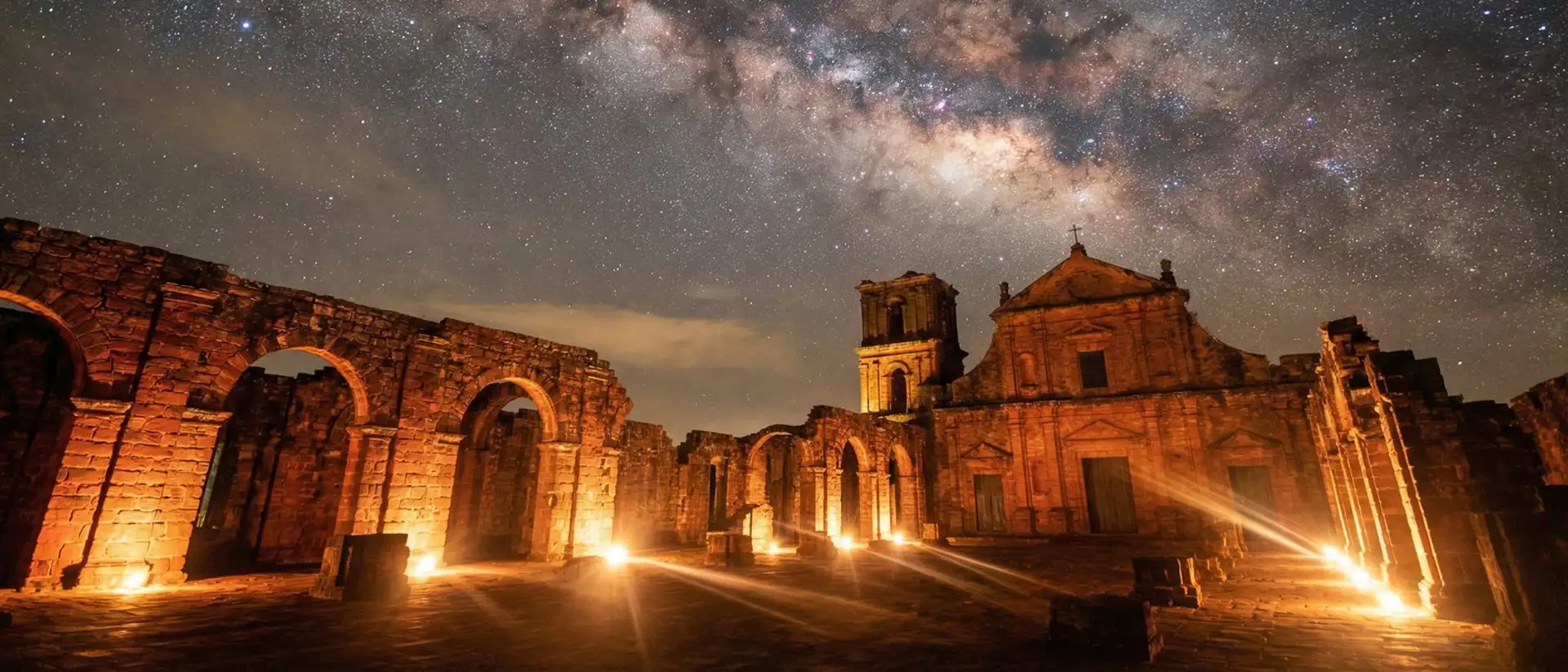
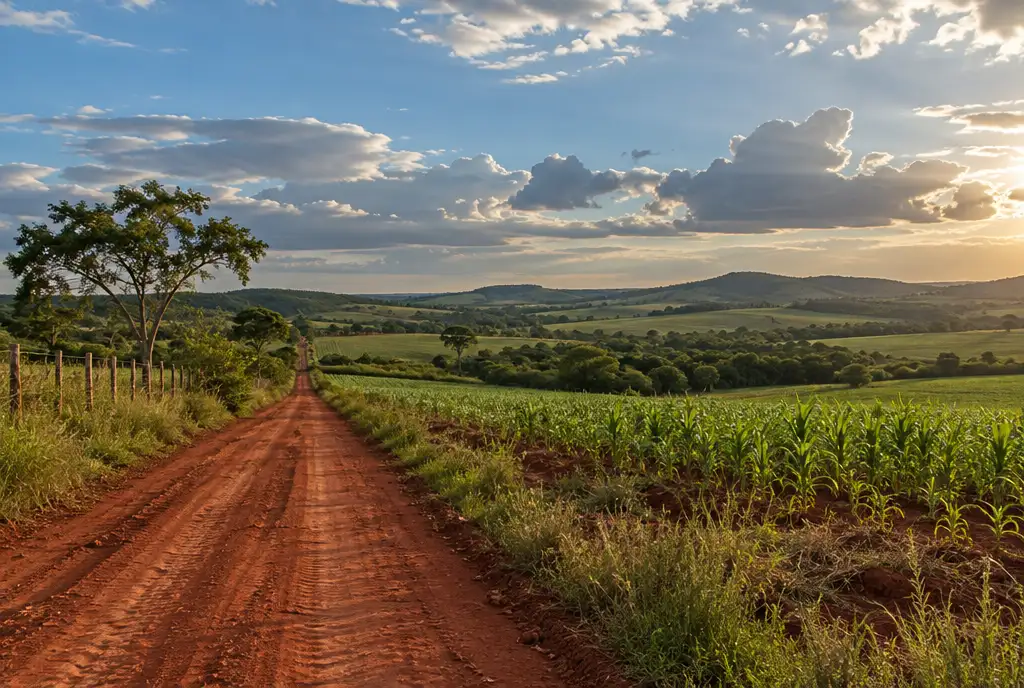
Paraguay splits into two very different halves along the Paraguay River. To the east is where almost everyone lives: Asunción and the Central department, the rolling farmland and remaining Atlantic Forest fragments toward the Brazilian border, the Jesuit mission towns in the south near Encarnación, and the tri-border city of Ciudad del Este. West of the river is the Chaco — a vast, sparsely populated dry forest that stretches to Bolivia, home to Mennonite colonies like Filadelfia, scattered indigenous communities, and some of the country's best wildlife-watching.
If your time is limited, the eastern region gives you the highest concentration of things to see and do: Asunción itself, day trips to Caacupé and San Bernardino, and the Jesuit mission ruins further south. The Chaco rewards travelers with more time and a taste for remoteness.
Climate: plan around the reversed seasons
Paraguay sits in the southern hemisphere, so its seasons run opposite to North America and Europe. Summer (December through February) is hot and humid, with Asunción regularly climbing into properly uncomfortable territory by midday — this is when you want an early start and an afternoon indoors. Winter (June through August) is mild by comparison, though the Chaco and the interior can see surprisingly sharp cold snaps when a southerly wind, locally called a sudestada, blows through. Spring and autumn (September–November and March–May) are the most comfortable stretches for walking around outdoors, and generally the best time to visit if your dates are flexible.
Rain can arrive suddenly in any season, often as a short, heavy downpour rather than an all-day drizzle, so it's worth building a little flexibility into any outdoor plans.
Customs worth knowing before you arrive
A few habits will make you look like less of a newcomer. Tereré — cold yerba mate drunk through a metal straw from a shared gourd, especially in the heat — is a genuine social ritual, not a tourist photo prop; if you're offered some, it's a friendly gesture worth accepting. Greetings usually involve a single cheek kiss, even between people who've just met. Spanish is the dominant language in daily life and business, but Guaraní is a genuine co-official language spoken widely, especially outside Asunción, and even a few Guaraní words are appreciated.
Timekeeping runs looser than in North America or northern Europe — a stated meeting time is often more of a suggestion, particularly for social plans, so build in patience rather than frustration. Family and Sunday time are taken seriously; don't expect much to be open, or many people eager to talk business, on Sunday afternoons.
Services: money, connectivity and getting around
ATMs and card payments are common in Asunción and other cities, though carrying some cash is still wise, especially outside the capital and in smaller towns where card machines are less reliable. SIM cards are inexpensive and easy to pick up on arrival, and coverage is solid in populated areas, thinning out in the deep interior and much of the Chaco. Long-distance buses connect the country's cities well and are the backbone of budget travel here — see our bus terminal guide for the practicalities of using them from the capital.
For anything involving longer stays, healthcare, housing or paperwork, it's worth reading up separately — our cost of living guide and travel advice page go deeper on those topics than a general orientation can.
Practical information
- Best time to visit: spring or autumn for the most comfortable weather; avoid the peak of summer if heat bothers you
- Language: Spanish for almost all practical purposes; Guaraní is widely spoken alongside it
- Money: carry some cash, especially outside Asunción; card acceptance is good but not universal
- Getting around: buses connect the whole country; a rental car or a driver you hire yourself opens up more flexibility for day trips
- What to pack: layers for the reversed, sometimes unpredictable seasons, and rain-ready gear regardless of when you travel
- Before you go: check current entry requirements and any travel advisories for your nationality, since these change
Frequently asked questions
Is Paraguay safe for travelers?
Like most countries, safety varies by area and by how much common sense you apply. See our dedicated is Paraguay safe guide for a fuller answer than a single paragraph can give.
How many days do I need for a first visit?
A week gives you a solid first look at Asunción and one or two day trips. Two weeks lets you add the Chaco or the Jesuit missions without rushing.
Do I need to speak Spanish?
It helps enormously outside tourist-facing businesses. English is spoken in some hotels, tour operators and international-facing services in Asunción, but it thins out fast elsewhere.
What's the best way to plan a first itinerary?
Start with what you actually want — nature, culture, food, or a mix — and build outward from Asunción. Our top places in Paraguay roundup is a good starting shortlist.
Is Paraguay expensive to visit?
Generally no, especially compared with its neighbours. See our cost of living guide for the fuller picture, including where costs vary.
Ready to plan? Our trip planning guide explains how to build an itinerary that matches how much time and energy you actually have. If the Jesuit missions made your shortlist, read our Jesuit ruins visitor guide for how to see Trinidad and Jesús de Tavarangue in one trip. Spotted something out of date? Let us know.