Is Paraguay Safe?
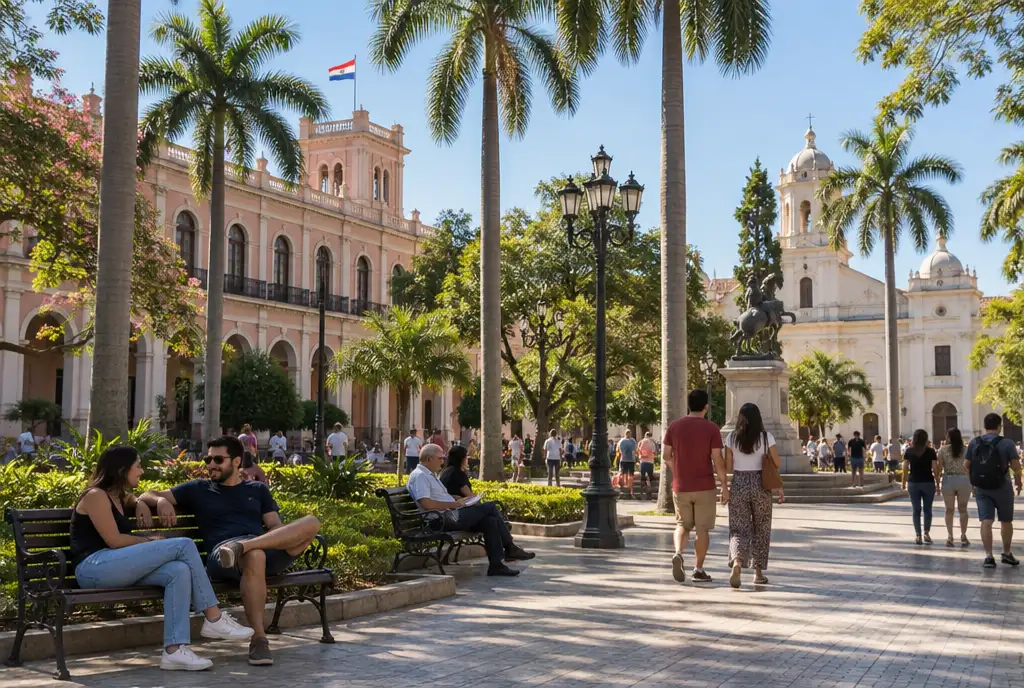
"Is Paraguay safe?" is one of the first questions anyone researching a trip here types into a search bar, and it deserves a straight answer instead of a brochure one. Paraguay is not a high-risk destination by South American standards, and violent crime against tourists is rare, but that doesn't mean you can switch your street sense off. Like most of the region, the real risks are opportunistic and preventable: petty theft, scams, and a handful of border towns that warrant more caution than the capital.
So, is Paraguay safe?
The short version: yes, with the same ordinary precautions you'd bring to any unfamiliar country. Read on for the specifics on where and how to stay alert.
Asunción: safer than its reputation
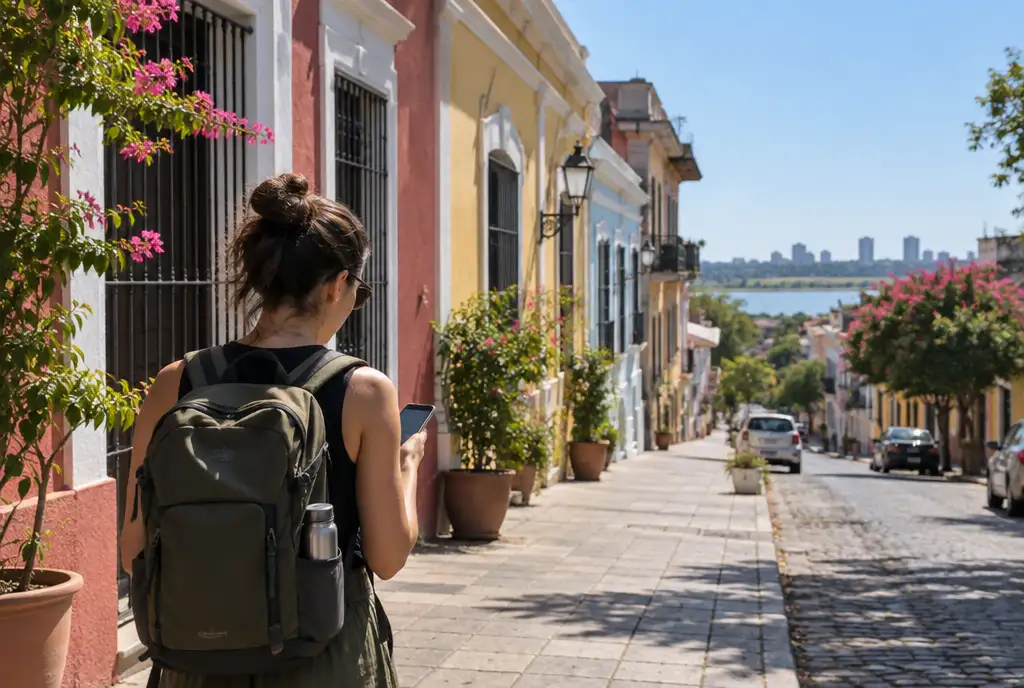
Asunción is a manageable, relatively low-key capital, and the neighbourhoods most visitors and expats spend time in — Villa Morra, Recoleta, Carmelitas, the Costanera in daylight — are comfortable to walk around, including at night in the busier stretches. The usual city precautions apply: don't display phones and jewellery carelessly, keep bags zipped and in front of you on buses, and use a radio taxi or ride-hailing app rather than hailing a car off the street after dark. Areas around Mercado 4 and some parts of the historic centre get noticeably quieter and less comfortable after dark, so plan those visits for daytime. None of this is unusual advice for a Latin American capital — Asunción doesn't ask more of you than Buenos Aires or Lima would.
Where extra caution is warranted
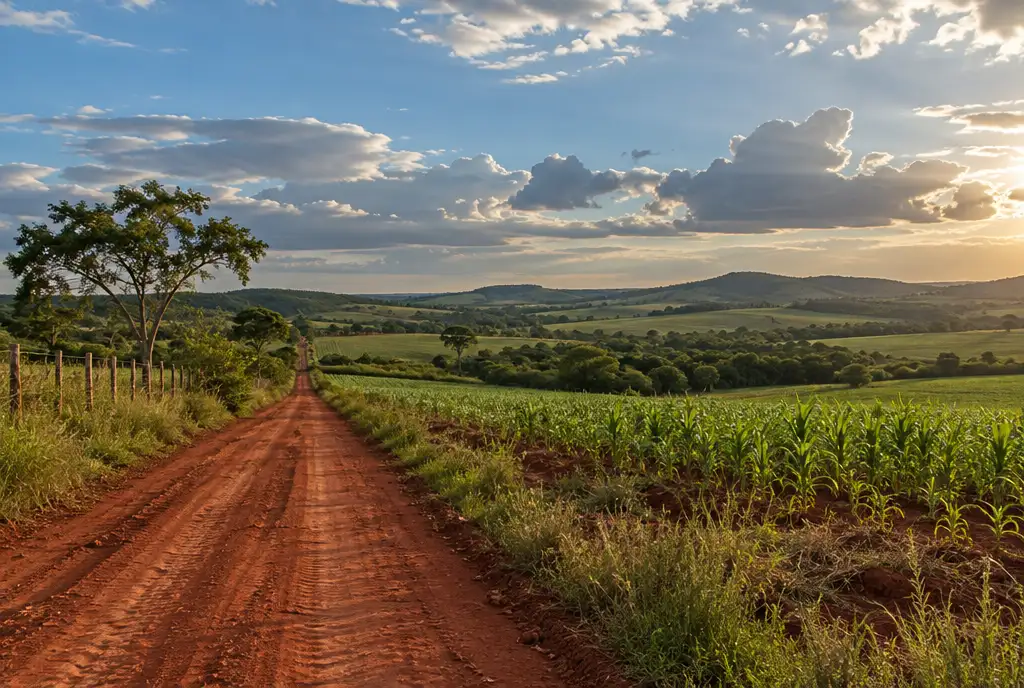
The border cities deserve a more specific note. Ciudad del Este and Pedro Juan Caballero sit on smuggling and contraband routes and have higher rates of organised crime than the rest of the country, though this rarely touches ordinary shoppers or day-trippers sticking to the main commercial streets. If you're crossing into Ciudad del Este for the shopping district or a day trip to Iguazú Falls, staying alert with your belongings and avoiding wandering into unfamiliar side streets after dark is sensible, not paranoid. The Chaco and rural interior, by contrast, are generally very calm — the concerns there are more about remoteness, heat, and road conditions than crime.
Scams and petty crime to know about
The most common issues reported by visitors are pickpocketing in crowded markets and bus terminals, overcharging by unmetered taxis, and the occasional counterfeit-currency scam when breaking large bills. None of these are unique to Paraguay, and all of them are avoidable with ordinary habits: agree on a taxi fare or use an app before you get in, count change before you walk away, and keep your daily cash in a separate pocket from your card and passport. Solo travellers, including women travelling alone, generally report feeling comfortable in Asunción and the main tourist towns like Encarnación and San Bernardino, provided the same common-sense rules apply as anywhere else.
Health and everyday practicalities
Tap water in Asunción is treated and often described as safe, though many residents and visitors still default to bottled water — use your own judgement, and stick to bottled water in smaller towns if you're unsure. This is general information, not medical advice; check current guidance from your own health authority or a travel clinic. Mosquito-borne illness (dengue, mainly) is a real seasonal concern in the warmer months, so repellent is worth packing regardless of where you're headed. Political demonstrations do happen occasionally, usually announced in advance and concentrated around government buildings in Asunción; they're worth avoiding out of prudence rather than genuine danger to bystanders. For anything more detailed than general common sense, the US State Department's Paraguay travel advisory is a useful, regularly updated reference before you travel.
Practical information
- Overall risk level: low to moderate — petty crime and scams are the main concern, not violent crime against tourists
- Safest areas: Villa Morra, Recoleta, Carmelitas and the Costanera in Asunción; San Bernardino and Encarnación as tourist towns
- Extra caution: Ciudad del Este and Pedro Juan Caballero, particularly after dark and away from main streets
- Transport: use radio taxis or ride-hailing apps rather than hailing cars on the street, especially at night
- Health: pack mosquito repellent for dengue season; bottled water is the cautious default outside the capital
- Documents: keep photocopies or photos of your passport and visa/entry stamp separate from the originals
Frequently asked questions
Is Paraguay safe for solo female travellers?
Generally yes, particularly in Asunción and established tourist towns. The same precautions that apply anywhere apply here — avoid walking alone late at night in unfamiliar areas, use trusted transport, and keep valuables out of sight.
Is Ciudad del Este dangerous?
It has a reputation tied to cross-border smuggling that's largely irrelevant to a day-tripper sticking to the main shopping streets or heading to Iguazú Falls, but it warrants more street awareness than Asunción, especially after dark.
Is the tap water safe to drink in Paraguay?
Asunción's municipal water is treated and often described as safe, though bottled water remains the common default for visitors, especially outside the capital. The World Health Organization publishes general travel health guidance worth reviewing before any trip.
Do I need travel insurance for Paraguay?
It's sensible for any international trip, mainly to cover medical costs and trip interruptions rather than because Paraguay carries unusual risk. Check that your policy covers the specific activities you're planning, such as remote Chaco travel.
Is it safe to drive in Paraguay?
City driving in Asunción is manageable but can be assertive by North American or European standards. Rural roads, especially in the Chaco, require more caution due to distance, wildlife, and limited services rather than crime.
Paraguay earns its reputation as one of South America's calmer, less-touristed countries, and for most visitors the biggest safety factor is the same ordinary vigilance you'd bring to any unfamiliar city. If you would rather not drive, read our guide to hiring a private driver yourself, and our broader Paraguay travel advice before you go. Safety conditions change, so check your government's current travel advisory too. Spotted something out of date? Let us know.