A food lover's Guide to Paraguayan Cuisine
Paraguayan cuisine gets overshadowed by its neighbors — Argentina's beef culture and Brazil's regional variety both cast a long shadow — but it has a genuinely distinct identity, shaped less by Spanish colonial cooking than by Guaraní ingredients: corn, cassava (mandioca), and the wild greens and herbs that grow across the country's subtropical interior. If you come expecting a variation on Argentine or Brazilian food, you'll be surprised by how much of the everyday table here runs on starches other than wheat and on mate rather than coffee.
Paraguayan cuisine's corn-and-cassava backbone: chipa
Start with chipa, the bread that appears everywhere from bus terminals to Easter tables. It's made from cassava starch and cornmeal, bound with cheese and egg, and baked into small rings or buns — dense, slightly chewy, and sold hot from clay ovens on street corners across Asunción. Chipa has dozens of regional variations, and Paraguayans eat it constantly, not just as a festive food, though the days around Holy Week (Chipa Guasu season) are when production goes into overdrive nationwide.
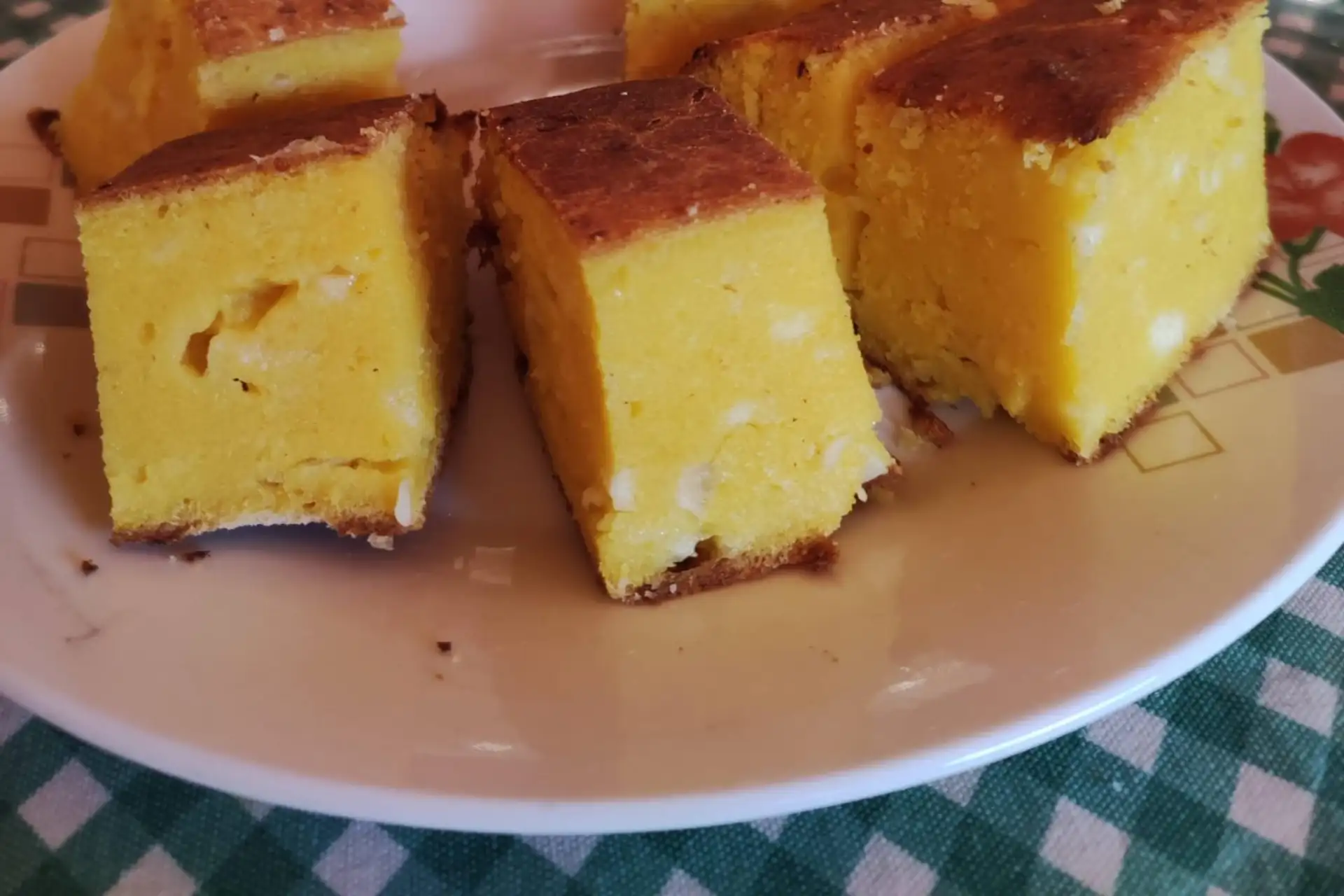
Related, and easy to confuse for a first-timer, is sopa paraguaya — despite the name, it's not a soup at all, but a dense cornbread made with cheese, onion and milk. The story goes that a cook serving a 19th-century Paraguayan president let a corn soup thicken too much and served it as a solid dish anyway; whether or not that's exactly how it happened, the dish stuck, and it's now a fixture at any asado or Sunday lunch table.
Asado and the meat course
As in the rest of the Southern Cone, asado — slow-grilled meat over wood coals — is central to Paraguayan family and social life, usually on weekends. What sets a Paraguayan asado apart is what surrounds the meat: sopa paraguaya, chipa guasu (a softer, more custard-like cousin of sopa paraguaya, studded with whole corn kernels), and mandioca boiled and served plain alongside the meat, functioning the way bread or potatoes might elsewhere. If you're invited to a family asado during your trip, go — it's one of the most genuine ways to experience Paraguayan food culture, far more than any restaurant menu.
Terere: the national drink, not just a snack
No discussion of Paraguayan food culture is complete without terere, cold yerba mate drunk through a metal straw from a shared guampa, usually with ice water and sometimes medicinal herbs (yuyos) mixed in. Where Argentina and southern Brazil drink mate hot, Paraguay's heat makes the cold version the everyday norm, and you'll see groups sharing a guampa on porches, in parks and at bus stops throughout the day — it's as much a social ritual as it is a drink. If you want to understand terere culture hands-on rather than just watching it, our yerba mate guide explains how it's grown, prepared and shared.
Where to try it in Asunción
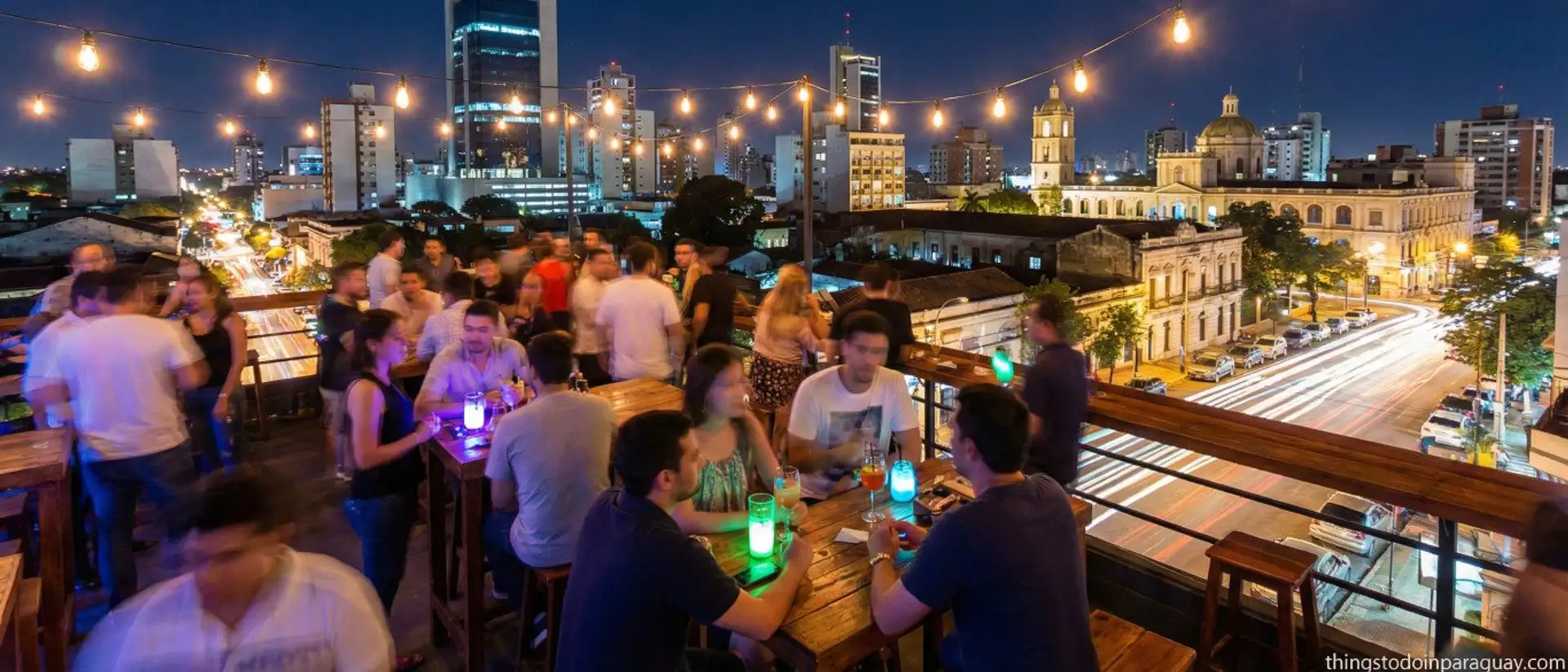
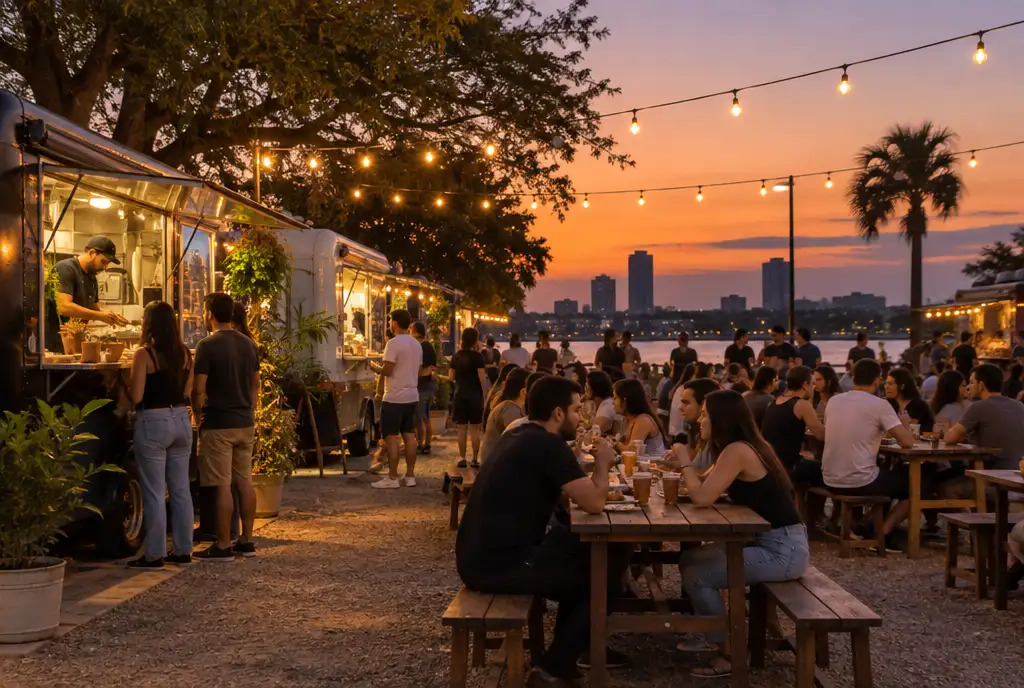
For a single stop that covers a lot of ground, Villa Morra Food Park and Food Park Mburucuyá both gather multiple local vendors in one casual setting, good for sampling several dishes without committing to a full sit-down meal at each. For a more curated introduction, our self-guided Paraguay food guide covers the highlights in one outing, and our Asunción restaurant guide has suggestions for a proper sit-down meal afterward.
Practical information
- Must-try dishes: chipa, sopa paraguaya, chipa guasu, asado, and terere or hot mate (tereré in summer, mate cocido or hot yerba mate in cooler months).
- Best time for chipa: available year-round, but Holy Week sees the widest variety and freshest supply as families bake in bulk.
- Where to eat: food parks for variety and low commitment, traditional parrillas for a proper asado, and Mercado 4 in Asunción for an unfiltered look at how locals actually shop and eat.
- Dietary notes: vegetarian options exist (chipa, sopa paraguaya and most sides are meat-free) but the culture is meat-centric, so vegetarians should expect to ask specifically at asado-focused restaurants.
- What to bring: an appetite and, if you can find one, a willingness to try terere from a shared guampa — it's a social gesture as much as a drink.
Frequently asked questions
What is the most typical Paraguayan dish?
Chipa is the single most iconic food — sold everywhere, eaten by everyone, and instantly recognizable as Paraguayan. For a full meal, an asado with sopa paraguaya and chipa guasu on the side is the classic spread.
Is sopa paraguaya actually a soup?
No, despite the name it's a dense, savory cornbread with cheese and onion. It's one of the more famous quirks of Paraguayan cuisine and a good conversation starter with locals.
What's the difference between terere and mate?
Both use yerba mate leaves and a metal straw (bombilla), but terere is served cold with ice water and sometimes herbs, while mate is served hot. Paraguay's heat makes terere the default for most of the year.
Is Paraguayan food spicy?
Generally no — Paraguayan cuisine leans savory and starchy rather than spicy, in contrast to some other Latin American food traditions. Chili isn't a staple ingredient here.
Where can I try a range of Paraguayan dishes in one place?
A food park like Villa Morra or Mburucuyá is the easiest way to sample several dishes from different vendors in one visit, or a local guided food walk (hired directly, with a written price) if you'd like context along with the food.
Paraguayan cuisine rewards curiosity more than most travelers expect from a country rarely mentioned in food-focused travel writing. Between chipa on every corner and a shared guampa of terere on any given porch, food here is less a tourist activity than a daily social fabric you're invited to join. Ready to taste it properly? Read our Paraguay food guide for a self-guided route. Spotted something out of date? Let us know.