Paraguayan Food Tour: A Self-Guided Eating Route
Taste the real Paraguay: chipa, sopa paraguaya, lomito and more
A food Paraguay tour you can do yourself: what to eat from breakfast chipa to a late-night lomito, where to find it and how to eat safely.
Independent guide: we do not sell, book or arrange this trip or any service mentioned here, and no provider paid to appear. Prices, timetables and rules change — confirm them with the provider or the official source before you go.
About This Food Paraguay Tour Guide
This food Paraguay tour guide is independent travel information. It does not sell or arrange food tours. It explains the dishes to look for, how to order them and how to eat safely, so you can build your own route. Menus, prices and opening hours change, so confirm before you go.
Planning Your Own Food Paraguay Tour
Paraguayan food is hearty, savoury and rooted in corn, cassava, cheese and beef, a mix of Guaraní, Spanish and later immigrant influences. It is rarely spicy, rarely fancy and often delicious. For a newcomer, the main hurdles are practical: menus can use Guaraní and Spanish names, street food quality varies from stall to stall, and many classics are eaten at specific times of day.
This guide walks through a day of eating the way many locals do, from a breakfast of chipa and mbeju to a late lomito sandwich, with advice on ordering, hygiene and dietary needs. You can do all of it without a guide, and you can stretch it over several days.
How to Eat Your Way Through Paraguay
Eat in the order locals do. Start the day with something baked and starchy, take a hearty lunch, and save the sandwiches and grilled meat for the evening. Eat where the queue is: busy places turn over their food quickly, which helps both freshness and flavour.
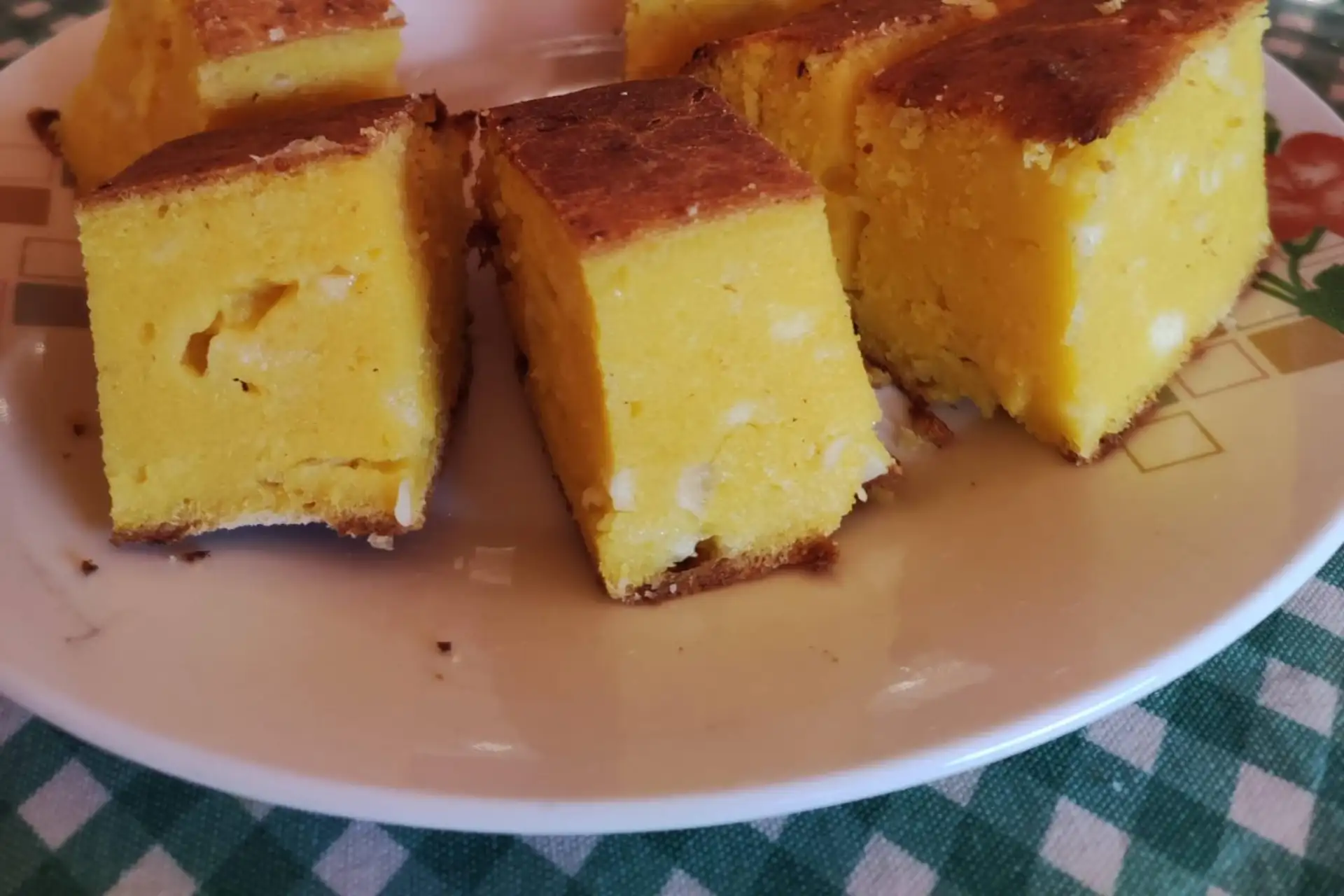
Know the staples. Chipa is a baked cheese-and-starch bread, traditionally cooked in a brick oven called a tatakua. Mbeju is a starch pancake, crisp outside and soft inside. Sopa paraguaya, despite the name, is a solid cornbread made with onion and cheese. Chipa guasu is a corn and cheese dish with a soufflé-like texture. Vorí vorí is a chicken soup with cornmeal and cheese dumplings. Cocido, including the version made with burnt sugar and mate leaves (cocido quemado), is a common warm drink.
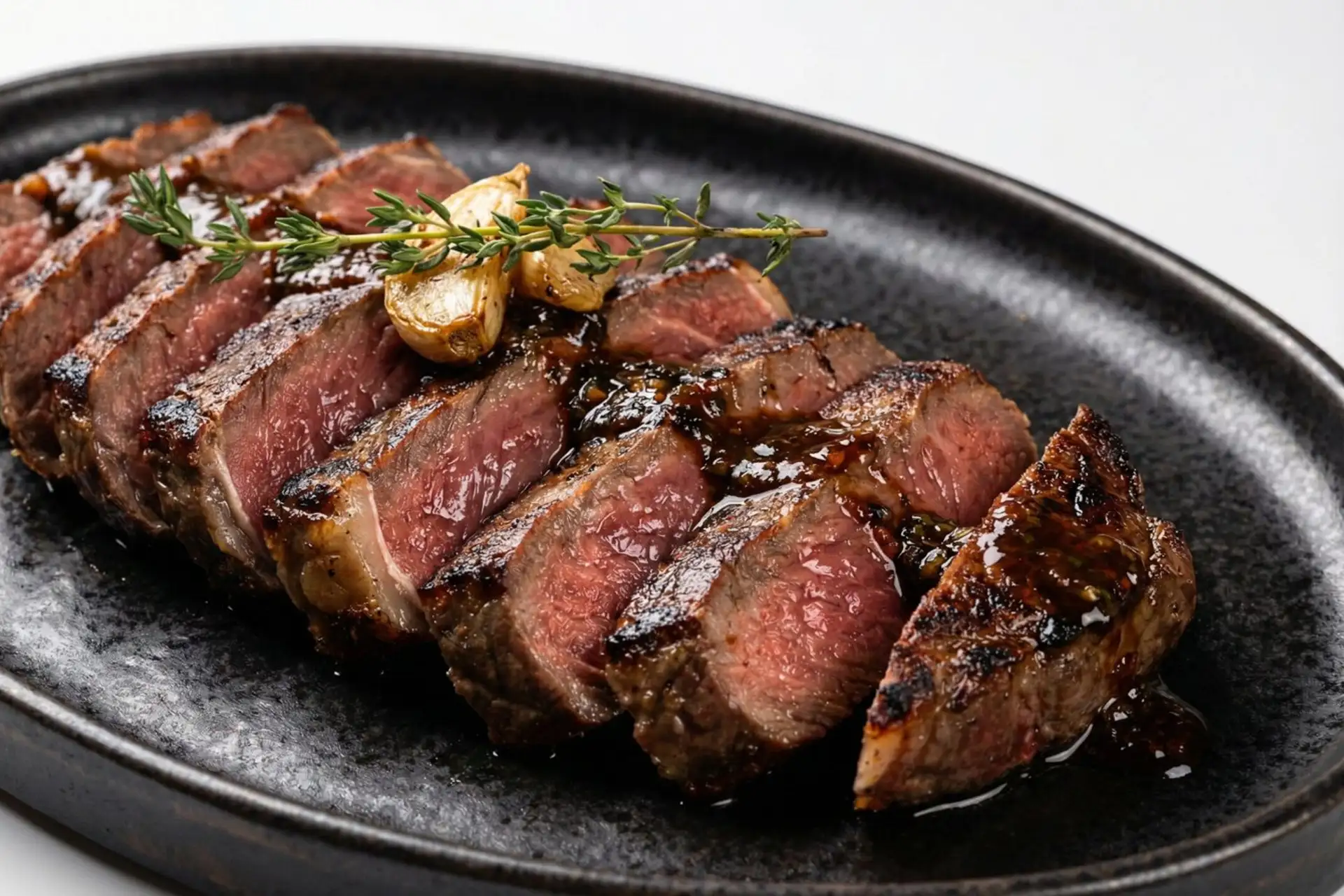
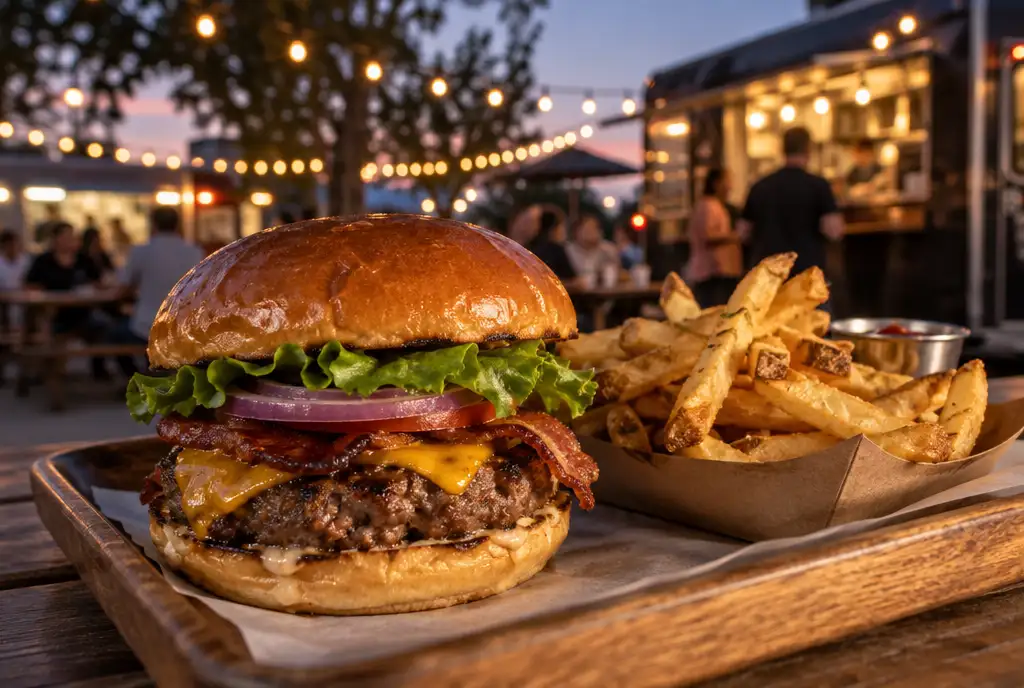
Do not skip the street food. The lomito, a grilled beef sandwich often served with egg, cheese and vegetables, is a classic late-night order, and the pita-style lomito árabe is another favourite. Empanadas, milanesa and asado (grilled meat) are all common too.
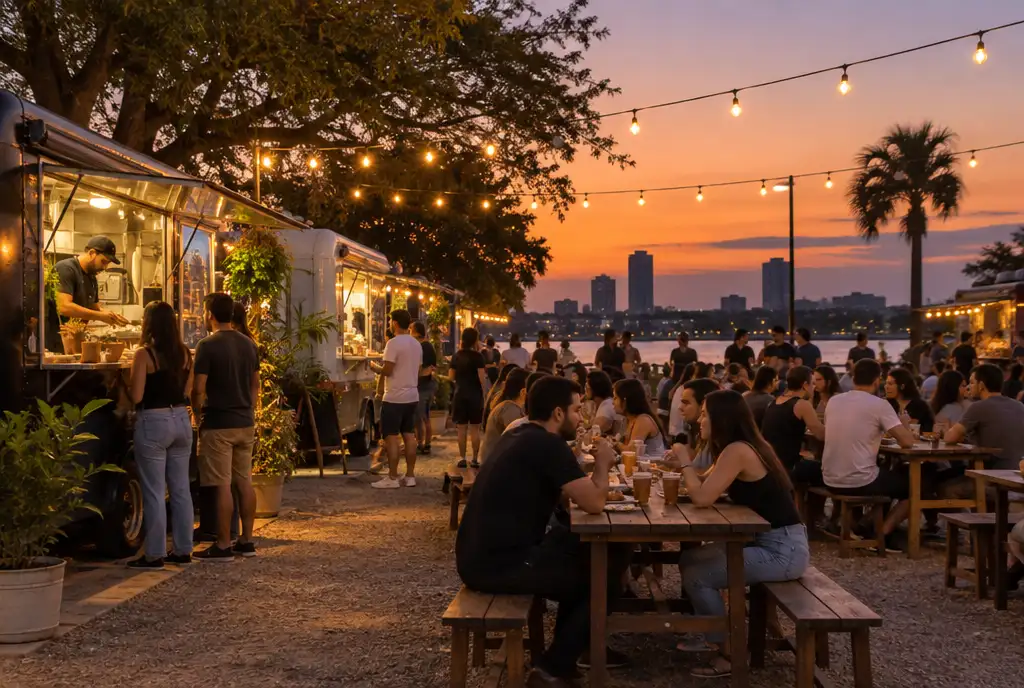
Food parks are a relaxed way to sample several things in one place. See the guides to the Villa Morra food park and the Mburucuyá food park, and read more about regional dishes in Paraguayan cuisine.
Suggested eating route
-
Stop 1: Desayuno (the traditional breakfast)
Start with chipa fresh from the oven and mbeju, paired with coffee or cocido quemado. Look for bakeries and small cafes, and for the vendors who sell chipa at bus terminals and busy corners.
-
Stop 2: The icons (sopa paraguaya and chipa guasu)
At lunchtime, try sopa paraguaya and chipa guasu, usually served alongside grilled meat or as part of a set meal. On a cool day, order vorí vorí.
-
Stop 3: An afternoon snack
Try empanadas, mbeju or a fruit juice. In hot weather, many Paraguayans drink tereré, a cold infusion of yerba mate, often made with herbs.
-
Stop 4: The street legend (the lomito)
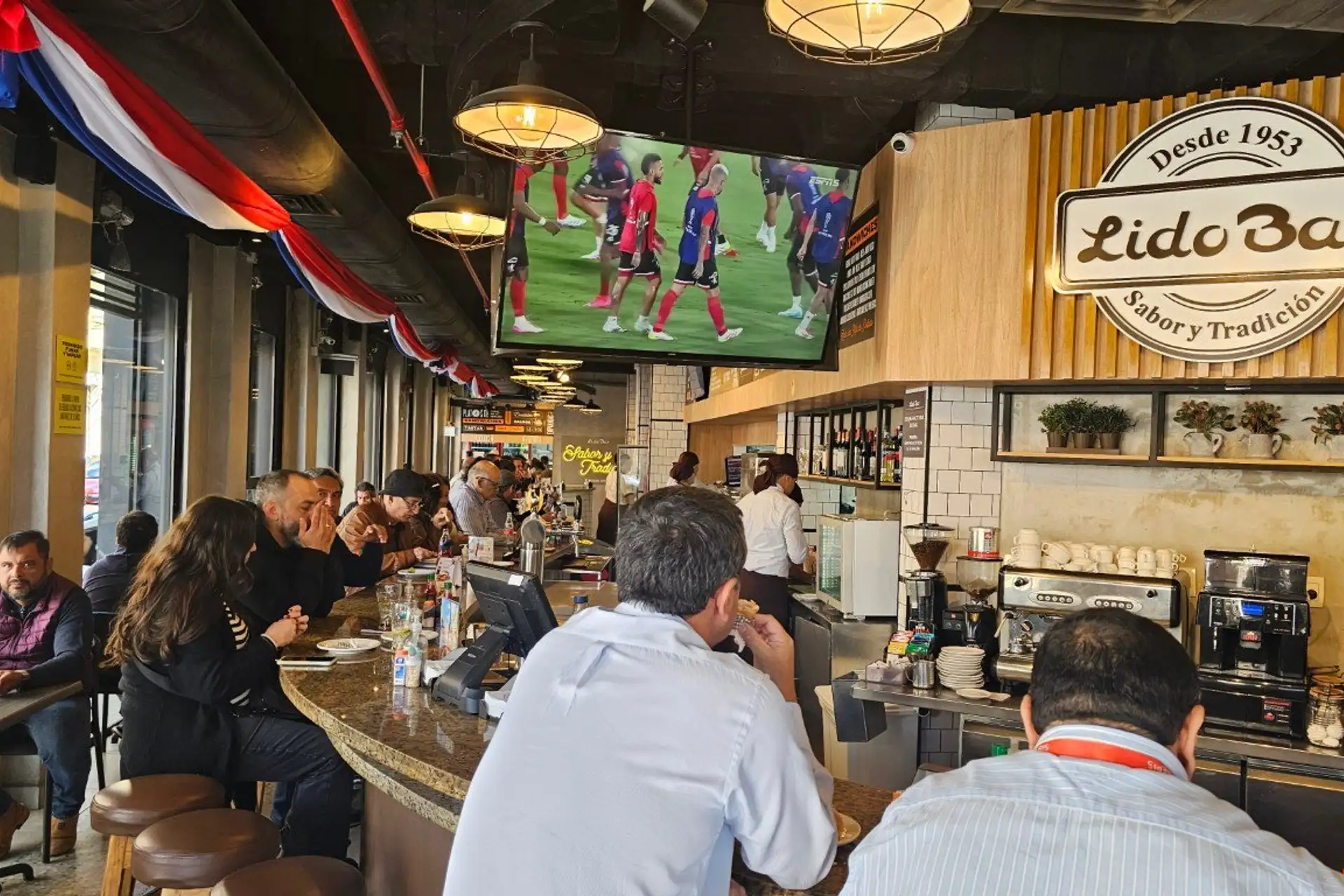
In the evening, order a lomito, which is a sandwich of grilled beef with egg, cheese, lettuce and tomato, in a sit-down snack bar or a grill. It is messy and filling, and goes well with a cold drink.
Tips before you go
-
Go hungry and graze
Dishes are generous and many are dense. Share plates where you can, and treat the day as a series of tastings rather than a series of full meals.
-
Choose busy, freshly cooked places
Pick stalls and restaurants with a steady local crowd, food cooked to order and clean surfaces. If anything looks like it has been sitting out, skip it.
-
Drink bottled or filtered water
Ask for bottled water and be cautious with ice and raw salads at street stalls if you have a sensitive stomach. Check current health advice from your own government and the Paraguayan Ministry of Health before you travel.
-
Learn a few phrases for allergies and diets
Many Paraguayan dishes contain cheese, egg, wheat or corn. Useful phrases include "soy alérgico a..." (I am allergic to...), "sin queso" (without cheese) and "sin carne" (without meat). Vegetarians usually do well with salads, pasta and cheesy local specialities.
-
Carry small notes and some cash
Street vendors and small snack bars may only take cash in guaraníes, so carry small notes.
Practical information
- Time needed
- A full day for the whole route, or break it into breakfast, lunch and evening outings over several days.
- Getting there
- Most of the places on this route are in central Asunción and its main neighbourhoods. Use taxis, ride-hailing apps or buses, and ask your accommodation for current local suggestions.
- Costs
- Street food and snacks are generally inexpensive, while sit-down restaurants cost more. Check menus and prices before ordering.
- Best time to go
- Breakfast and evenings are the busiest times for street food. Warm weather favours tereré, and cool evenings favour soups such as vorí vorí.
- Further reading
- Background reading: [Paraguayan cuisine on Wikipedia](https://en.wikipedia.org/wiki/Paraguayan_cuisine).
Frequently asked questions
-
Is the food very spicy?
No. Paraguayan food is savoury, cheesy and hearty, but rarely spicy. Ask for hot sauce on the side if you like heat.
-
What payment methods are common?
Cash in guaraníes is the safest choice for street food and small places. Many sit-down restaurants and food parks take cards, but confirm before you order.
-
Are there hidden charges?
Some restaurants add a service charge or a cover fee, so check the menu and the bill. Street vendors usually quote the price per item.
-
Can I cancel or change a restaurant booking?
Most casual places do not take bookings. Where you do reserve, ask about cancellation terms when you book.
-
What documents do I need?
Nothing special for eating out beyond what you carry as a visitor. Keep your passport safe and carry a copy.
-
Is it accessible for visitors with limited mobility?
It depends on the venue. Food parks and modern restaurants are generally easier than street stalls and older buildings. Call ahead if access matters.
-
What if it rains?
Many popular spots have covered seating, and food parks usually have shelter, but heavy rain can close open-air stalls. Have a backup plan.
-
Where can I read about more dishes?
See the Paraguayan cuisine guide for regional dishes and the stories behind them.
Don't Just See Paraguay, Taste It
A food Paraguay tour is one of the quickest ways to understand the country, and this route covers the dishes that matter most: chipa, sopa paraguaya and a proper street-side lomito. Fill out a day in the capital with the Asunción city walking route, or end it with a night out in the bars of Asunción.
Spotted something out of date? Let us know.