Yerba Mate Tour: Visiting Paraguay's Mate Country
The origins of Paraguay's "green gold", and how to visit them yourself
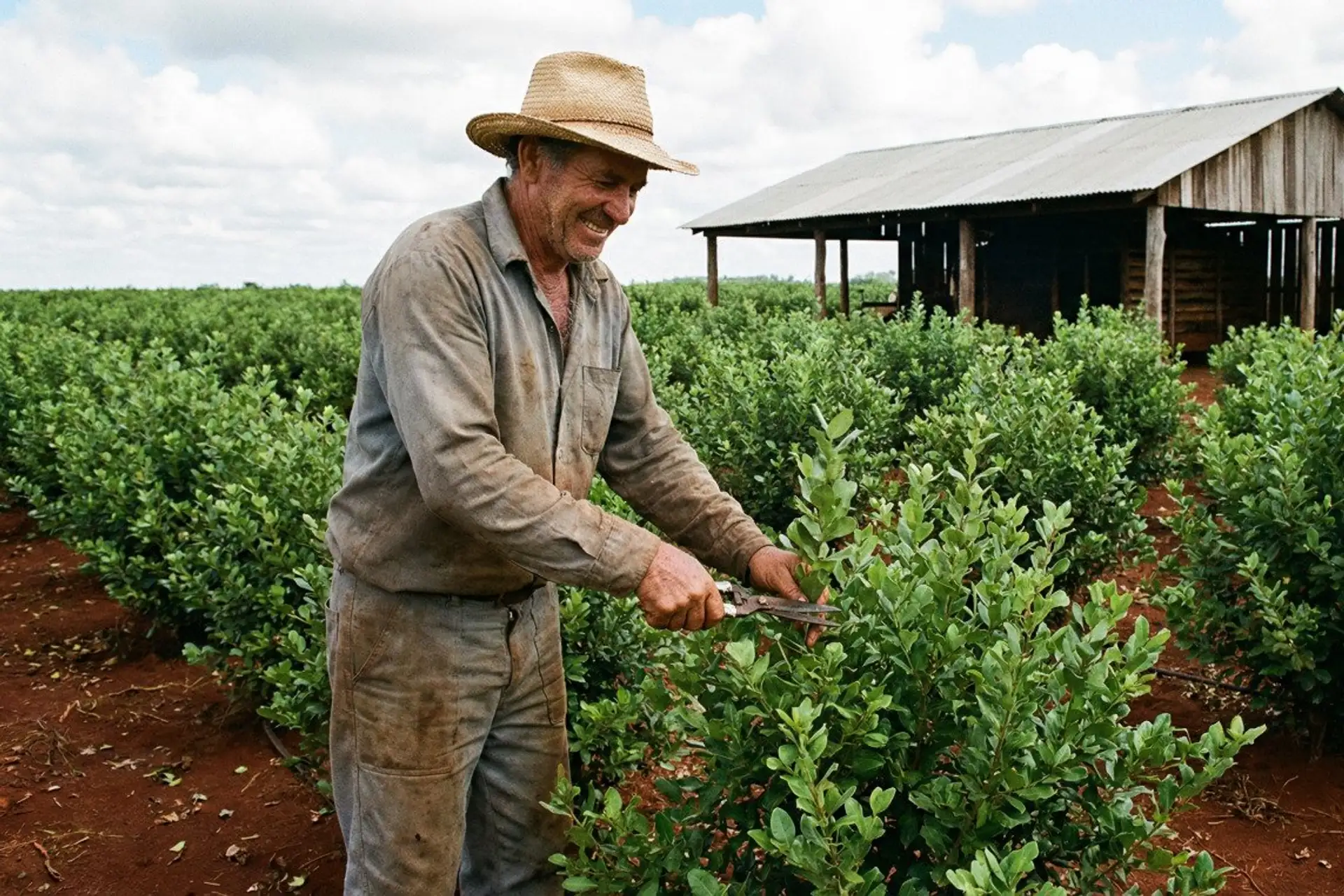
Plan your own yerba mate tour to the plantations and drying houses of southern Paraguay: where to go, when, how to get there and how to arrange a visit.
Independent guide: we do not sell, book or arrange this trip or any service mentioned here, and no provider paid to appear. Prices, timetables and rules change — confirm them with the provider or the official source before you go.
About This Yerba Mate Tour Guide
This yerba mate tour guide is independent travel information. It does not sell tours or arrange visits to producers. It explains what a yerba mate visit usually involves, how far it is, when to go and how to contact producers or hire help yourself. Producer opening arrangements change, so confirm everything in advance.
Planning a Yerba Mate Tour of Paraguay
Yerba mate is spreading everywhere, from sports locker rooms to health food shops abroad, but drinking it from a can is not the same as seeing where it comes from. Paraguay's national drink goes back to the Guaraní, who infused the leaves long before Europeans arrived, and the Jesuit missions later cultivated the plant at larger scale. Today it is drunk hot as mate and cold as tereré widely across the country, every day.
Visiting where it is grown and processed takes planning. The best-known growing areas lie in the south and east, including the area around Bella Vista in Itapúa, in a region often linked to the German-founded colonies. Distances are long, public transport is limited, and factories and plantations normally require an appointment, so this is a trip to prepare ahead of time.
How to Visit Yerba Mate Country on Your Own
Choose a base and a route. Bella Vista and the colonies of Itapúa are roughly 400 km from Asunción by road, which is a long day trip each way. Most visitors plan an overnight stay and combine the trip with other sights in the south. Since the route heads toward Itapúa, it pairs naturally with the Jesuit ruins of Trinidad and Jesús de Tavarangue, and you can read the background in the guide to the Jesuit missions of Paraguay.
Contact producers directly. Many yerba producers and cooperatives run visits for groups, but a walk-in rarely works. Find contact details on official websites or through your accommodation, and ask in advance whether visits are possible, which days and hours they run, whether English is available and what the fee is, if any. Treat any claim of a guaranteed English-speaking tour with caution until confirmed in writing.
Know what you will see. Typical visits include the nursery (vivero), where seedlings are raised, the harvest (when in season), the drying house and the tasting of the finished product. Traditional producers may use a wood-fired drying process, the barbacuá, which gives the leaf a distinct smoky character. A tasting often compares young and aged yerba and shows how to prepare hot mate and cold tereré. Many producers also have a shop selling yerba, gourds and bombillas.
Choose a way to get there. Long-distance buses link Asunción with towns in the south (see the bus terminal guide), and a hired car with a driver or a rental car gives you more flexibility for visiting plantations outside town centres. Check road conditions and fuel before long trips.
What a yerba mate visit involves
-
The nursery (vivero)
Many visits start at a nursery where seedlings are selected and raised before being planted out. You will learn how the climate and red soil shape the plant's character.
-
The harvest and the drying house
In season, workers cut and gather the leaves and branches, which are then dried. At traditional producers, the barbacuá wood-fired drying gives the leaf its smoky aroma. This is often the sensory highlight of a visit.
-
The tasting
A guided tasting compares freshly processed and aged yerba, and shows how to prepare tereré (cold) and mate (hot). Ask the guide how to drink it correctly, including how to use the bombilla.
-
The factory shop
Many producers sell yerba, gourds and bombillas directly. Compare prices with local supermarkets and ask how to store the yerba for the flight home.
Tips before you go
-
Make an appointment
Contact producers in advance, confirm the visit time in writing and ask if there is a fee, whether lunch is available and whether the visit is in English or Spanish.
-
Allow plenty of time
The drive from Asunción is long. Plan an overnight stay, or combine the trip with the Jesuit sites in Itapúa so that the driving is not the only point of the journey.
-
Dress for a working site
Wear closed shoes for factory floors and fields, a hat, sunscreen and insect repellent. A light jacket can be useful in the cooler months, roughly June to August.
-
Check the harvest calendar
The harvest is usually concentrated in the cooler months, roughly May to August, but timing varies by producer. Outside the season, drying houses and shops may still operate, but there will be less activity in the fields.
-
Hire help carefully if you want a guide or a driver
If you hire a driver or operator, check registration with SENATUR where applicable, ask for a written price and a list of inclusions, confirm cancellation terms and insurance, and read independent reviews.
Practical information
- Time needed
- A full day at the very least, but an overnight stay is more realistic. The drive from Asunción is long.
- Getting there
- Roughly 400 km from Asunción to the Bella Vista and Colonias Unidas area. Reachable by long-distance bus or by car, and best split over two days.
- Costs
- Fees, if any, depend on the producer. Ask in advance for the price and what it includes, and budget for fuel or bus fares, meals and accommodation.
- Best time to go
- Harvest season, roughly May to August, is the most active time. Drying houses, factories and shops operate for much of the year, but confirm with the producer.
- Official information
- Background on the plant: [yerba mate on Wikipedia](https://en.wikipedia.org/wiki/Yerba_mate). Tourist information from [SENATUR](https://www.senatur.gov.py).
Frequently asked questions
-
Does yerba mate have more caffeine than coffee?
It varies by preparation, but both contain caffeine. Many people describe the effect of mate as smoother, though responses differ. If you are sensitive to caffeine, start with a small amount.
-
Can I buy a mate gourd there?
Producer shops and craft stalls commonly sell gourds, guampas and bombillas (the metal straws) alongside the yerba itself, from everyday ones to decorative pieces.
-
Is it too much driving for a single day?
Probably, yes. Bella Vista is roughly 400 km from Asunción, which makes a single-day trip very long. Most visitors split it over two days, with an overnight stay, or combine it with the Jesuit ruins.
-
Can I try it if I have never had it before?
Yes. Most producers will explain how to prepare and drink mate, and tereré is the usual way to try it in hot weather.
-
Is it suitable for children?
The outdoor setting is interesting, but factory visits can be long and technical for young children. It is better suited to teenagers and adults.
-
Do I need to speak Spanish?
Some Spanish helps a great deal, because most producers speak Spanish. Ask in advance whether English-speaking staff are available, or use a translation app.
-
Is lunch available?
It depends on the producer. Plan to eat at a local restaurant on the way, and bring snacks and water for the road.
-
Can I see the harvest?
Only during harvest season, roughly May to August. Outside that window, drying houses and shops may still be running, but there is less to see in the fields.
Ready for Your Yerba Mate Tour?
Come to the source: the red earth, the drying houses and the daily ritual that makes yerba mate part of life across the region, alongside its cold cousin tereré. Bring some home from a producer's shop, and pair the trip with the history of the south in the Jesuit missions guide.
Spotted something out of date? Let us know.