Iguazú Falls: A Must-See Adventure Near Paraguay
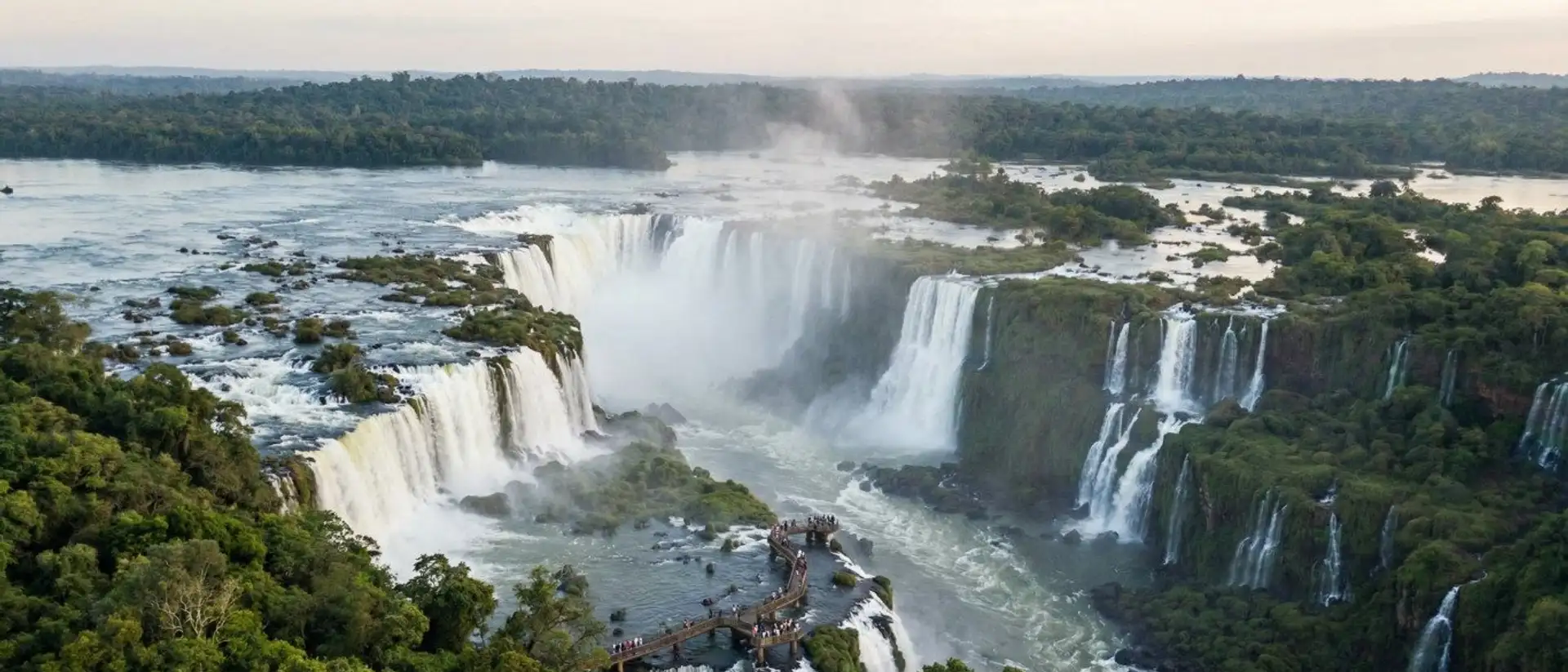
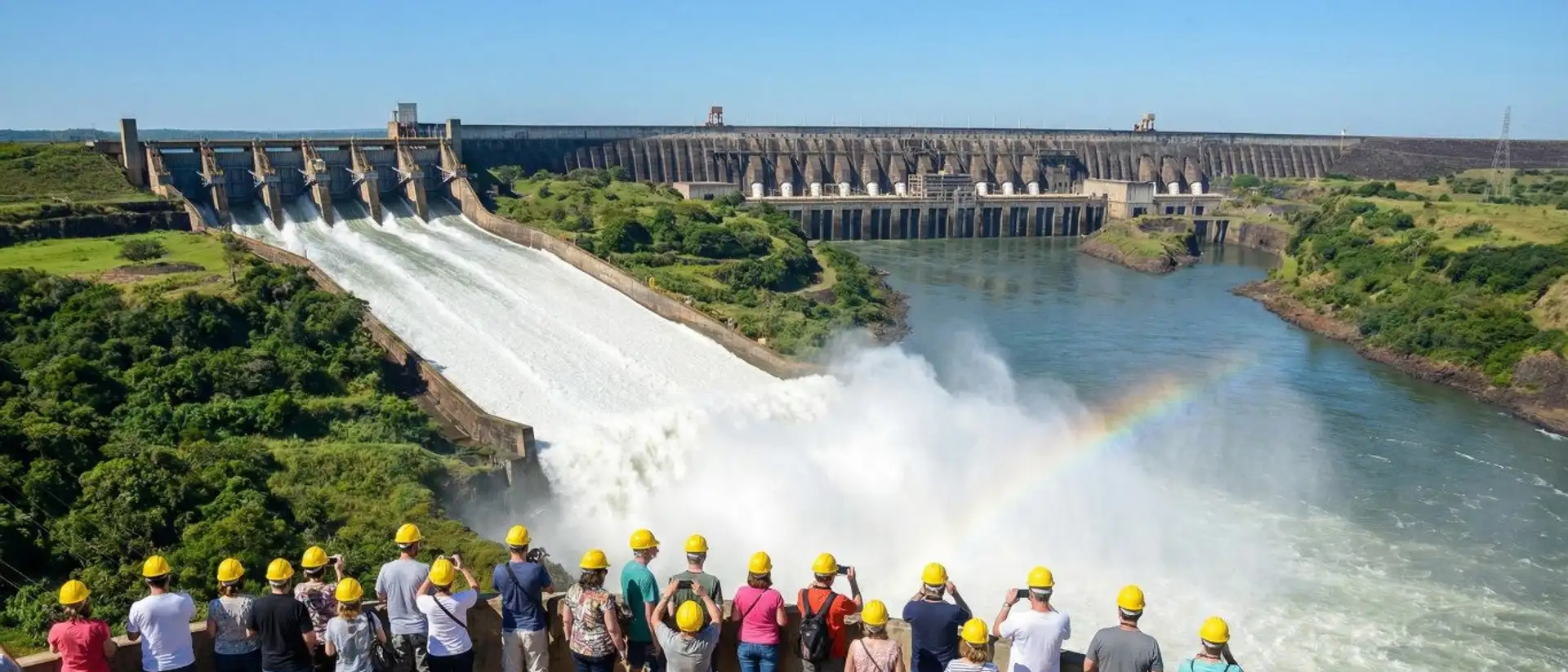
Ciudad del Este sits closer to one of South America's great natural spectacles than most visitors realise. Iguazú Falls is not technically in Paraguay — the falls themselves straddle the border between Argentina and Brazil — but the Paraguayan border city is the obvious base for seeing them from Paraguay, and often a budget-friendly one. If you're already in Ciudad del Este for the shopping or the Itaipú Dam, adding Iguazú Falls to the trip turns a border-town errand into a proper adventure.
Where the falls actually are
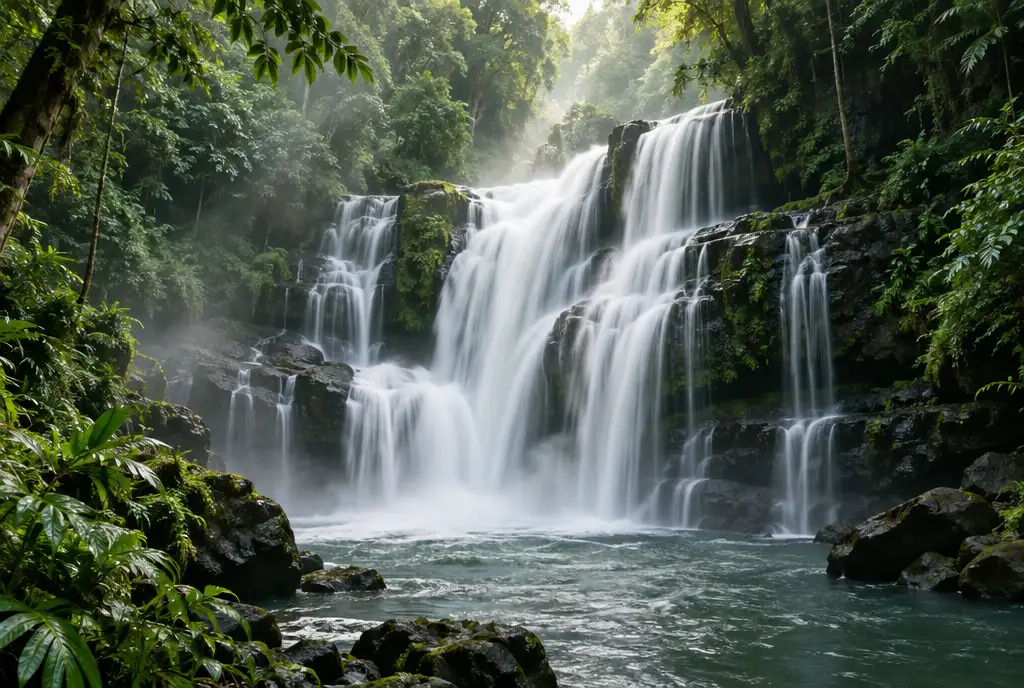
The Iguazú River tumbles over a basalt cliff in a long, curved system of cascades — dozens of individual drops rather than one single waterfall — split between Argentina's Iguazú National Park and Brazil's Foz do Iguaçu side. The most photographed point, Garganta del Diablo (the Devil's Throat), is a horseshoe-shaped chasm where several of the largest falls converge in a wall of spray you can feel from the viewing platforms. Paraguay's role in all this is geographic rather than territorial: Ciudad del Este faces Foz do Iguaçu across the Paraná River, connected by the Puente de la Amistad (Friendship Bridge), and the falls lie a further stretch into Brazilian or Argentine territory from there.
Getting to Iguazú Falls from Ciudad del Este
Crossing from Ciudad del Este into Brazil means walking or driving across the Friendship Bridge, clearing Brazilian immigration, and continuing on to Foz do Iguaçu, from where local buses and taxis run to the Brazilian side of the park. Reaching the Argentine side means a further crossing from Foz do Iguaçu into Puerto Iguazú, Argentina — two international borders in one day if you want to see both national parks. Requirements for each border change depending on your nationality, so check current entry rules for Brazil and Argentina before you travel; don't assume a Paraguay-issued visa or entry stamp covers either neighbour. If you would rather not manage the immigration queues on your own, you can hire a driver or join a day tour, but arrange it directly with the provider: ask which border crossings and park entries are included, get the price and cancellation terms in writing, and check a tour operator's SENATUR registration. Our Iguazú from Asunción guide explains the options.
Argentina side or Brazil side
Most first-time visitors ask which side is "better," and the honest answer is that they show you different things. The Brazilian side gives you the panoramic view — walkways along the cliff face that put the whole horseshoe of falls in front of you at once, best for photos and for visitors with limited time or mobility. The Argentine side gets you closer and involves more walking: a network of upper and lower circuit trails that bring you right above and alongside individual falls, plus a small train and catwalk out to the Devil's Throat viewing platform itself. If you only have one day, the Brazilian side is faster to see properly; if you have two, doing both sides gives you the full picture.
What to expect on the day
Expect heat, humidity, and spray — a lot of spray, especially near the Devil's Throat and on the Argentine lower trail, where a poncho or a change of clothes is genuinely useful rather than optional. The parks are well maintained with paved and boardwalk paths, so ordinary walking shoes are fine; you don't need hiking boots. Coatis (raccoon-like animals common in both parks) are used to visitors and will go after food left unattended, so keep snacks zipped away. Both national parks charge separate entry fees at their own gates — check current prices before you go, since they're set independently by each country and change without much notice.
Practical information
- Getting there: cross the Friendship Bridge from Ciudad del Este to Foz do Iguaçu, Brazil; the Argentine side requires a second border crossing from Foz do Iguaçu to Puerto Iguazú
- Best time to visit: the falls run year-round, but water volume is highest after the rainy season (roughly October to March); the dry season gives clearer views of individual drops
- What to bring: a passport valid for both borders you'll cross, a poncho or dry bag, comfortable closed shoes, sun protection, and cash in Brazilian reais or Argentine pesos for park entry
- Time needed: a rushed one-side visit can be done in half a day from Ciudad del Este; seeing both national parks properly is closer to two full days
- Documents: check current entry requirements for Brazil and Argentina for your nationality before you leave Paraguay — rules differ by country and change
Frequently asked questions
Is Iguazú Falls in Paraguay?
No. The falls sit on the Iguazú River where Argentina and Brazil meet; Paraguay's Ciudad del Este is the nearest major city and the most common jumping-off point for visitors coming from Asunción or the Paraguayan side of the Triple Frontier.
Do I need a visa to see the falls from Paraguay?
It depends on your nationality and which side you visit — some travellers can cross for a day trip without a full visa, others need one in advance. Check current requirements for both Brazil and Argentina before you travel, since a Paraguay entry does not carry over to either neighbour.
Which side of the falls should I visit if I only have one day?
The Brazilian side, reached directly from Ciudad del Este via Foz do Iguaçu, gives you the wide panoramic view in less time and involves only one border crossing.
Is it safe to cross the border on my own?
Yes, the Friendship Bridge crossing is routine and used daily by many commuters and shoppers, but it can be crowded and confusing the first time. If you'd rather not navigate the immigration checkpoints solo, a hired driver or a tour from a registered operator is an option; compare inclusions and terms before you commit. Check current border rules with the official immigration authorities of each country.
Can I visit both the Argentine and Brazilian sides in one trip?
Yes, and many visitors do, but it takes two separate border crossings and realistically two days to see both properly without rushing.
Iguazú Falls is one of those trips that's easy to underrate from a distance — a single photo doesn't capture the noise, the spray, or the scale once you're standing on the walkways. To see how the trip fits together from the capital, read our guide to Iguazú Falls from Asunción, and remember that border and park rules change, so confirm them with official sources before you go. Pair it with a stop at the Itaipú Dam or an afternoon exploring Ciudad del Este to make the most of the Triple Frontier region, and see our roundup of Paraguay's own waterfalls if you want more of this scenery without leaving the country. Spotted something out of date? Let us know.