Paraguay Sightseeing: Explore the unexpected in South America's hidden gem

Paraguay sightseeing rewards patience more than any other country in the region. There's no single postcard monument pulling in crowds — no Machu Picchu, no Iguazú-scale spectacle inside its own borders — which means most visitors arrive with low expectations and leave surprised by how much there actually is to see once you start looking. This guide sorts the country's best sights into three tiers: what's walkable in Asunción, what's an easy day trip, and what's worth a longer detour if your itinerary allows it.
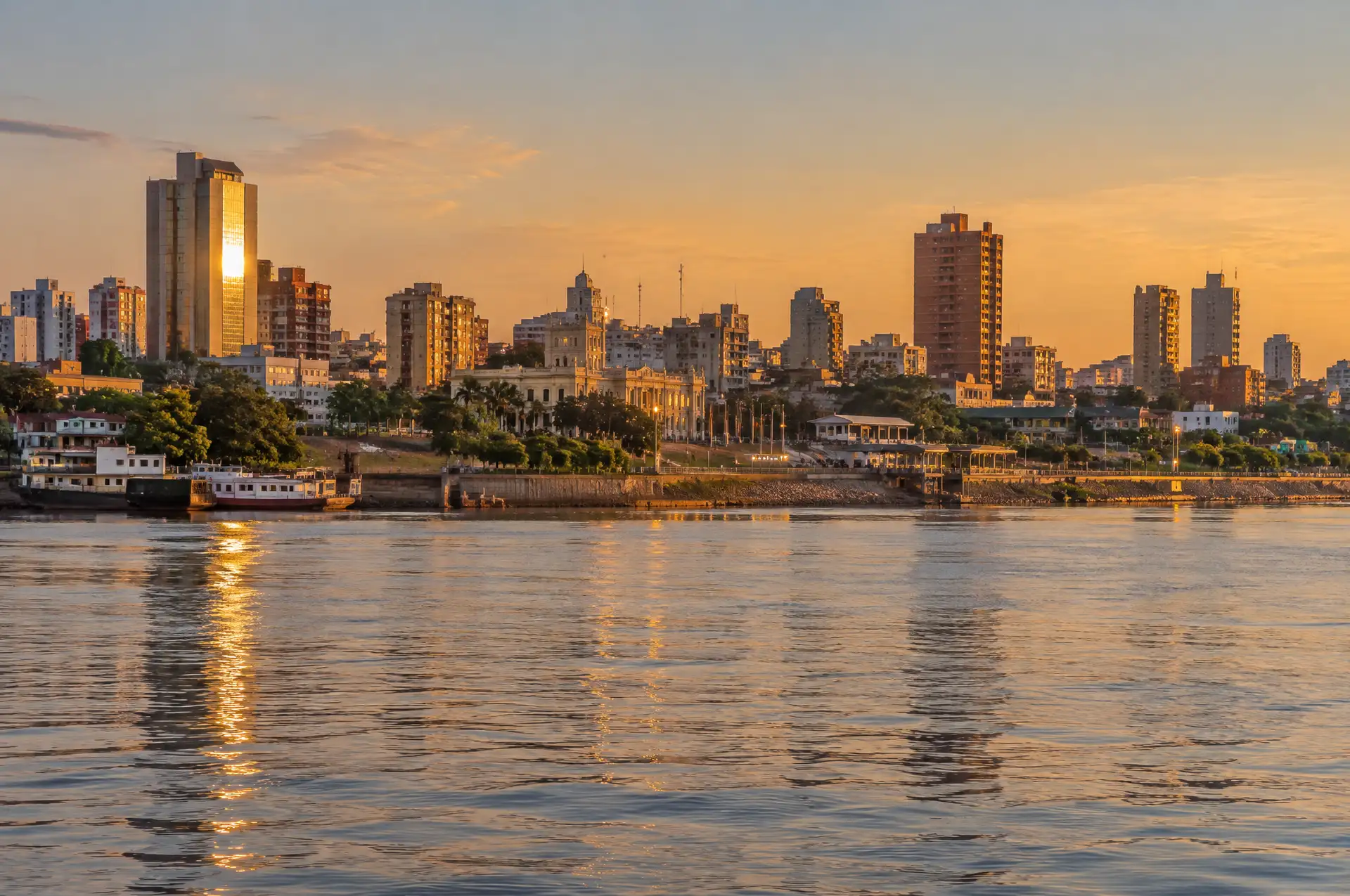
Paraguay sightseeing in Asunción: colonial core and riverside views
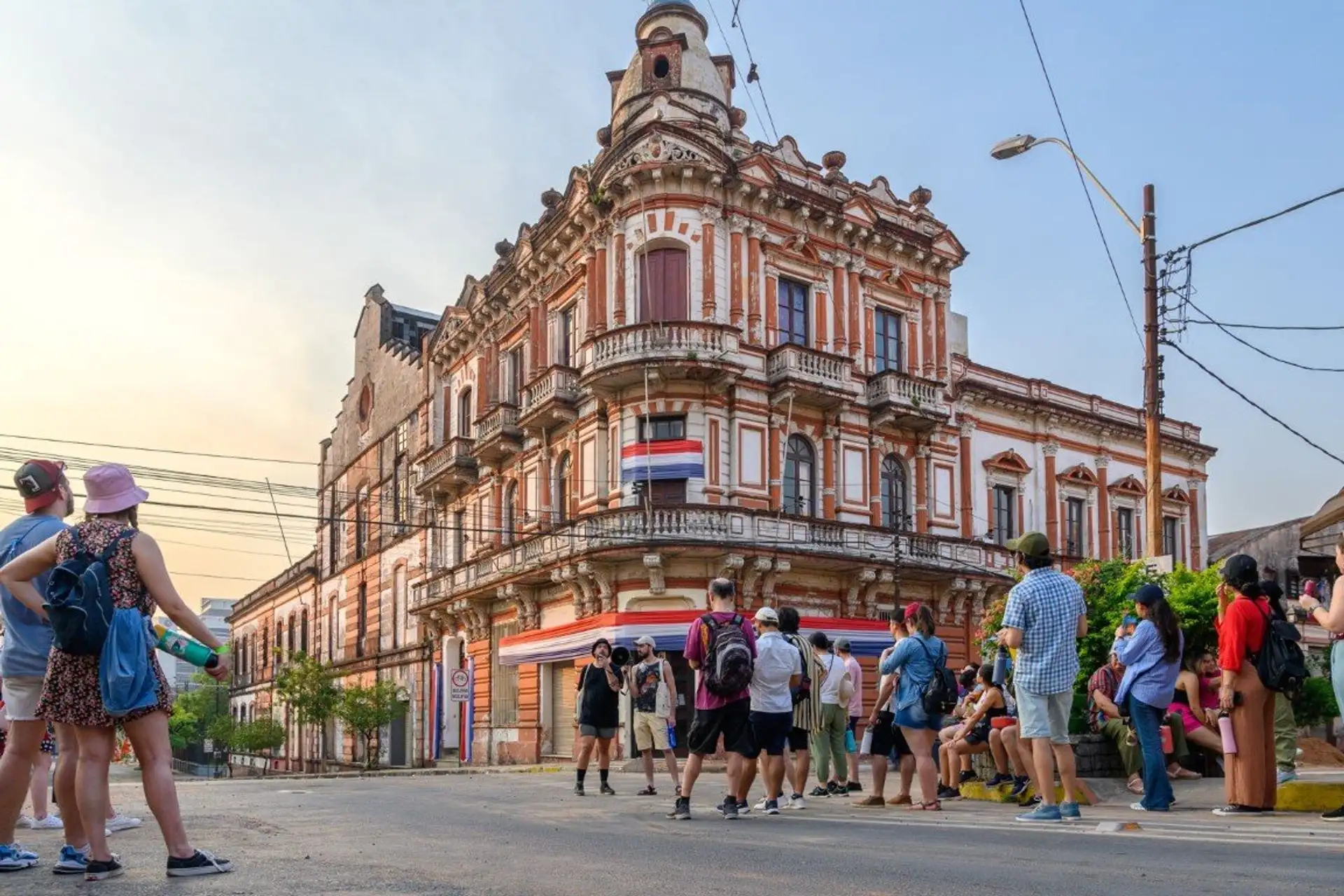
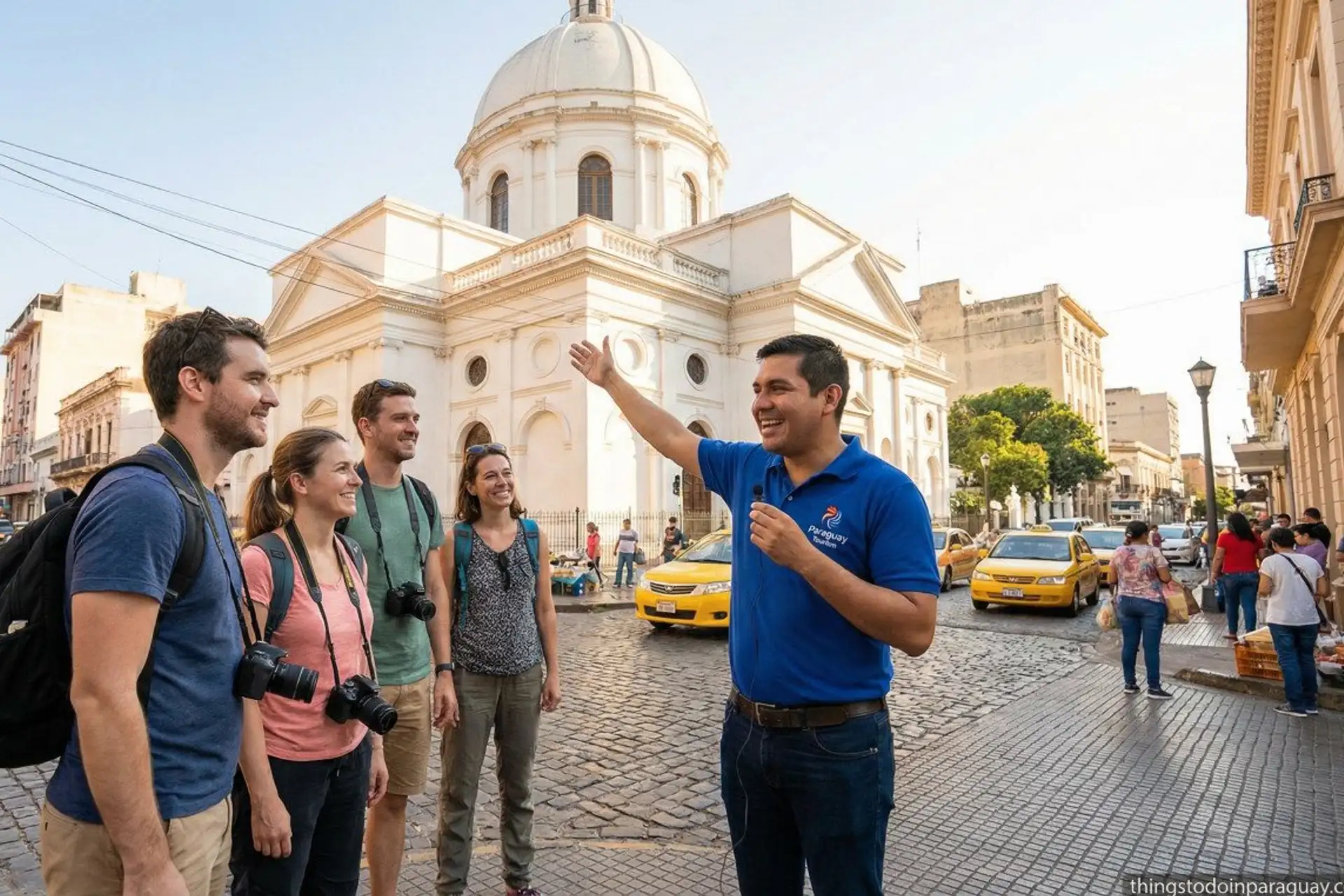
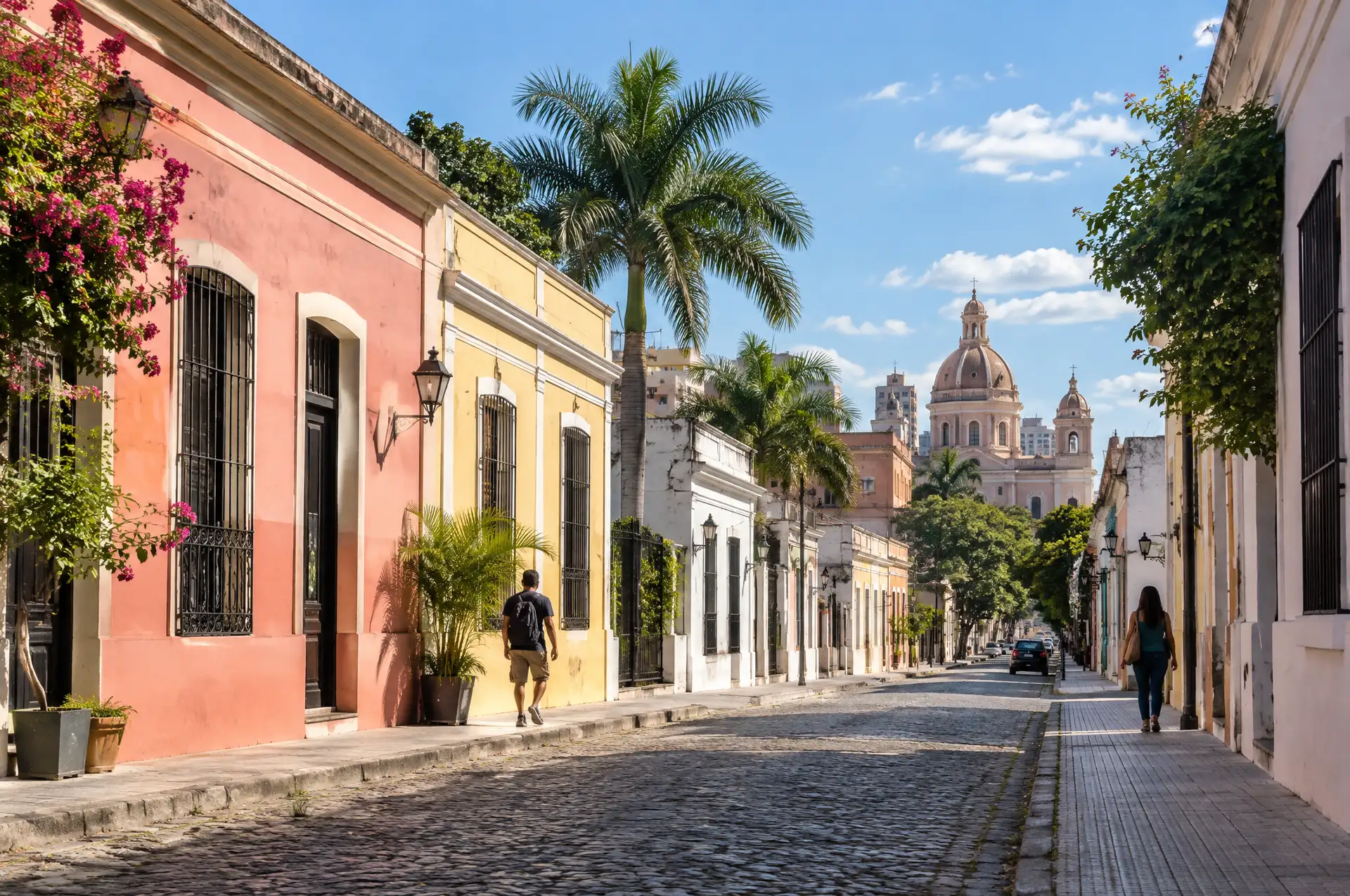
Start in the capital. The Manzana de la Rivera, a cluster of restored colonial-era houses near the Government Palace, gives a compact sense of Asunción's layered history in about an hour. From there, the Palacio de los López (the seat of government, viewable from outside) sits on a bluff over the Paraguay River, and the nearby Costanera de Asunción is a long riverside promenade good for an evening walk as the city cools down. The Panteón Nacional de los Héroes, a small domed mausoleum modeled loosely on Les Invalides in Paris, holds the remains of several national figures and is worth five minutes even if you're not a history buff. For a fuller list of stops around the capital, see our guide to what to do in Asunción.
Easy day trips from the capital
Once you've covered the city center, several worthwhile sights sit within a couple of hours' drive:
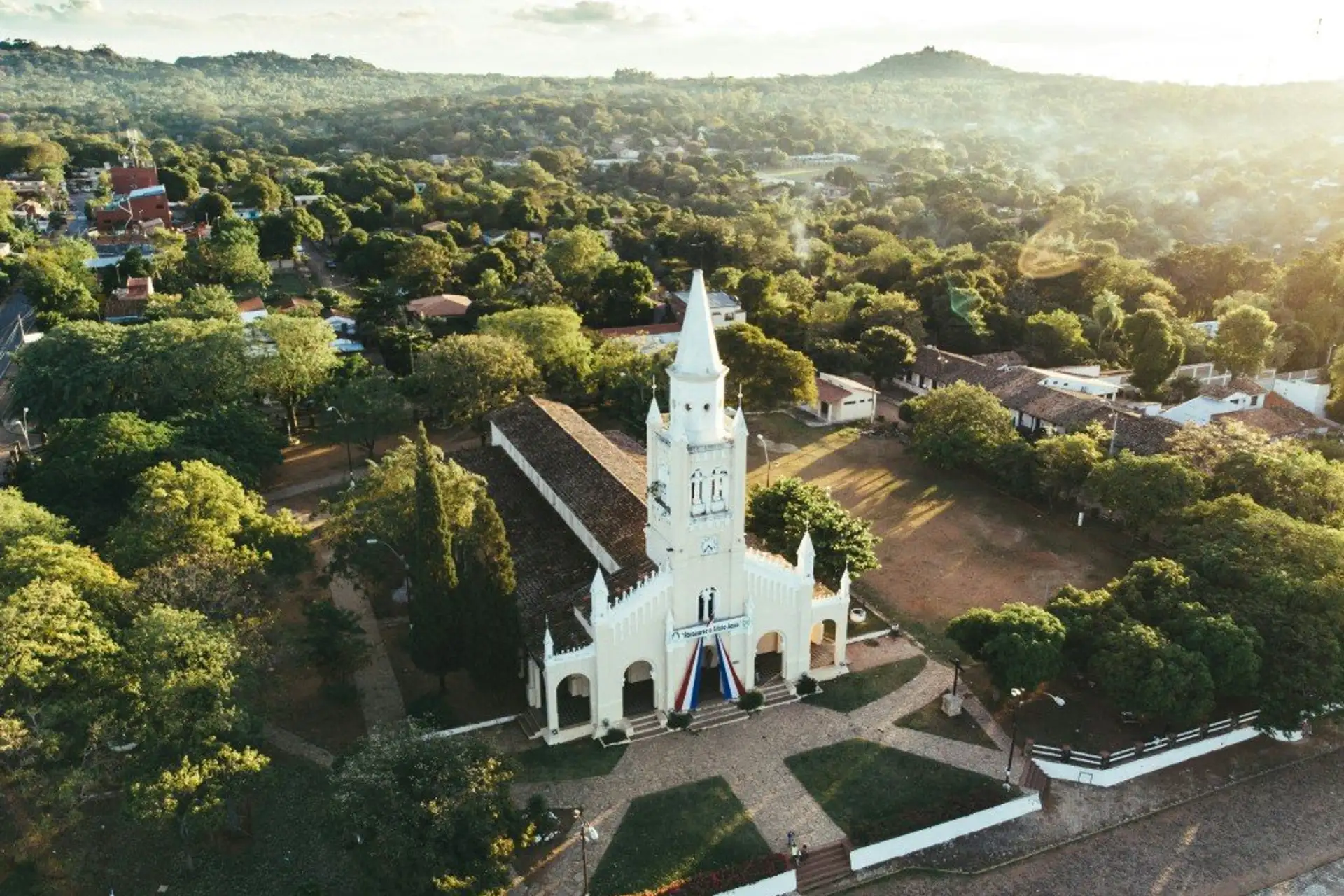
- Caacupé, home to the Basílica de Caacupé, the most important pilgrimage site in the country and a striking piece of architecture even outside its December festival period.
- San Bernardino, a lakeside town on Lake Ypacaraí popular with Asunceños for weekend escapes, with a laid-back café and restaurant scene.
- The Jesuit ruins further south — see below — if you're willing to make it a longer day or an overnight trip.
- Cerro Corá National Park and the wider network of Paraguay's national parks, if you'd rather trade plazas and ruins for hiking and open landscapes for a day.
Most of these day trips are doable independently by rental car, but Paraguayan intercity buses tend to run on their own schedule, so build in flexibility if you're relying on public transport. Renting a car for a day or two, or hiring a driver directly, removes a lot of the guesswork and lets you set your own pace rather than working around a bus timetable.
Further afield: ruins, waterfalls and the Chaco
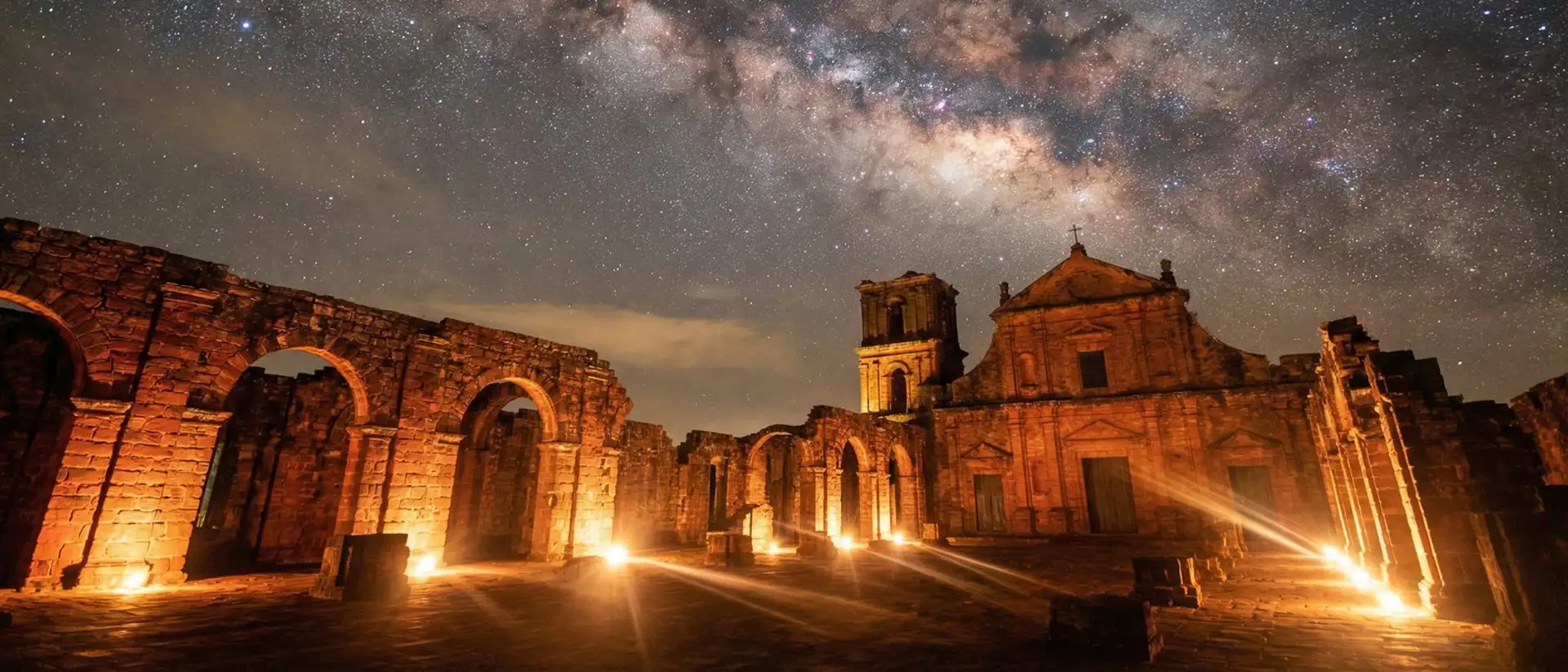
For visitors with more than a few days, three sights justify the extra travel time. The Jesuit missions near Encarnación, a UNESCO-recognized set of Jesuit Reduction ruins, are the closest thing Paraguay has to a must-see historical monument — atmospheric stone ruins that see a fraction of the visitors similar sites draw in neighboring countries. Further east, Iguazú Falls is technically on the Argentine-Brazilian border but is easily combined with a Paraguay trip via Ciudad del Este. And to the west, the Chaco region around Filadelfia offers a completely different Paraguay: Mennonite colonies, dry scrubland, and a slower, frontier pace that contrasts sharply with the humid east.
Practical information
- Best time to go: April to September (the dry season) for the most comfortable sightseeing weather; December's Caacupé pilgrimage is a spectacle in its own right if you don't mind crowds.
- Getting around: Asunción's sights cluster within walking distance of each other downtown; day trips are easiest by rental car or an organized tour arranged with a licensed operator, since regional bus schedules can be sparse.
- What to bring: comfortable walking shoes, sun protection, and small bills for local buses and informal vendors — cards aren't accepted everywhere outside the capital.
- Pace yourself: Paraguay's sights are spread out rather than clustered, so trying to see everything in two or three days usually means a lot of driving and not much time to actually look around. Pick a tier and go deep rather than wide.
Frequently asked questions
What is the single best thing to see in Paraguay?
Most visitors rate the Jesuit mission ruins near Encarnación as the standout, both for their historical weight and the fact that they're rarely crowded compared to similar UNESCO-listed sites elsewhere in South America.
How many days do I need for Paraguay sightseeing?
Three or four days covers Asunción and one or two nearby day trips comfortably. A week or more lets you add the Jesuit missions and, if you're driving, a taste of the Chaco.
Is Paraguay sightseeing safe for tourists?
The main sightseeing areas in Asunción and the towns mentioned here are generally fine for tourists exercising normal city-travel caution. For a fuller picture, see our Paraguay travel advice guide and check your government's current travel advisory before you go.
Can I see Iguazú Falls from a Paraguay-based trip?
Yes — Ciudad del Este sits close to the Brazilian and Argentine border crossings, and day trips to the falls are a common add-on for travelers already in eastern Paraguay. See our Ciudad del Este guide for the border-crossing logistics.
Do I need a guide for the Jesuit ruins?
Not strictly, but a guide adds a lot of historical context that on-site signage doesn't always cover, especially around the mission system's role in colonial-era Guaraní life.
Paraguay sightseeing works best when you treat the lack of a single headline attraction as a feature, not a flaw — it's a country better explored slowly, one plaza or ruin at a time, than rushed through on a checklist. If you would rather not sort out the logistics yourself, our guide to day trips from Asunción shows how to do the nearer sights independently, whichever tier of sights fits your time. Spotted something out of date? Let us know.