

While the rest of the world crowds into Costa Rica or Brazil, Paraguay remains the best-kept secret in ornithology. From the humid Atlantic Forest to the dry expanse of the Chaco, discover a land where the birds still rule the sky.
Paraguay sits at the convergence of major biomes. This means diversity. In a single trip, you can experience the cacophony of the Atlantic Forest in the east and the silence of the Dry Chaco in the west.
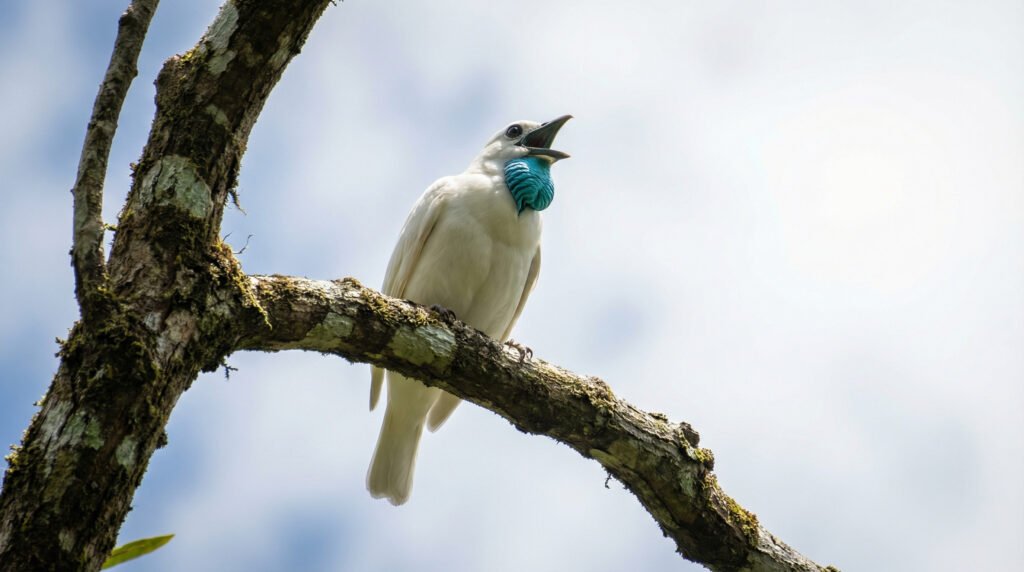
Here, you don’t just see birds; you hear the metallic clang of the Guyra Campana (Bellbird), you watch the massive Jabiru Stork nest in the wetlands, and you spot the vibrant Tanagers flashing through the canopy. And the best part? You often have these sights all to yourself. No crowds. No noise. Just you and the wild.
Birding requires patience, but it also requires precision. You can’t find the rare species if you don’t know where to look.
We partner with specialized ornithological guides—experts who know the calls, the nesting habits, and the hidden trails. Whether you are a “Lister” looking to check off specific endemic species or a photographer chasing the perfect shot, we build the logistics (4×4 transport, accommodation, and timing) to maximize your sightings.
You don’t have to go far to start. The bay right in the capital is a major stopover for migratory shorebirds (Buff-breasted Sandpipers) traveling from North America to Patagonia. It is an Important Bird Area (IBA) accessible in minutes.
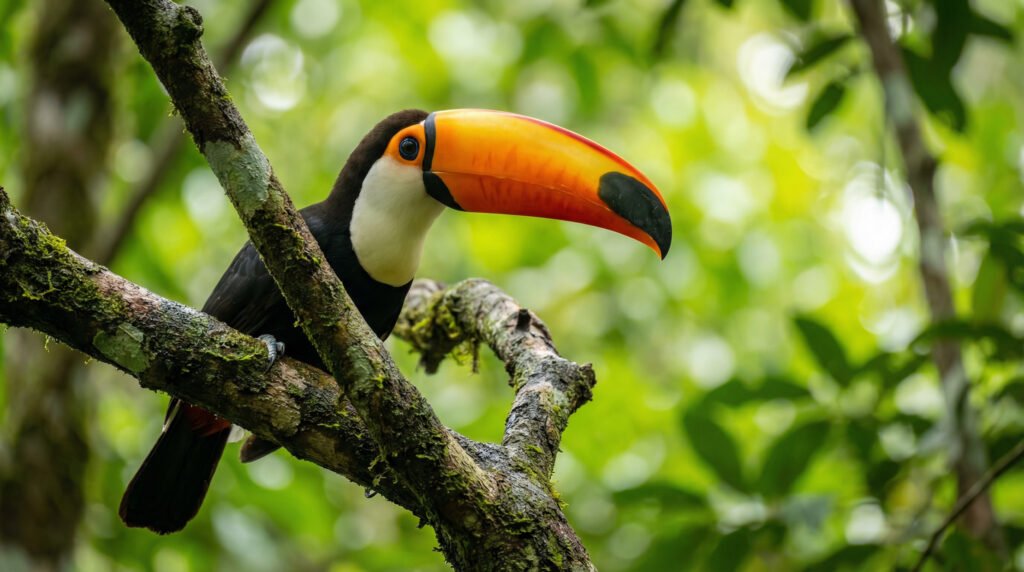
We head East (towards Mbaracayú or San Rafael). This is the home of the colorful species: Toucans, Woodpeckers, Manakins, and the loud Bellbird. The jungle is dense, but the rewards are vibrant.
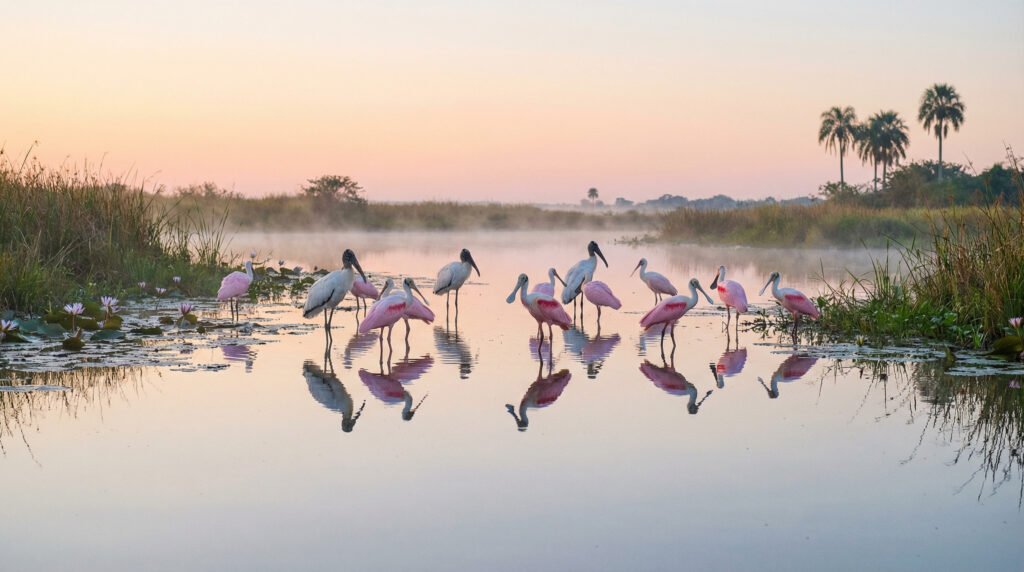
We head West. The landscape turns dry and thorny. Here, the birds are big and bold. We look for the Greater Rhea (Ñandú), the Seriema, and the massive raptors that hunt in the open skies.
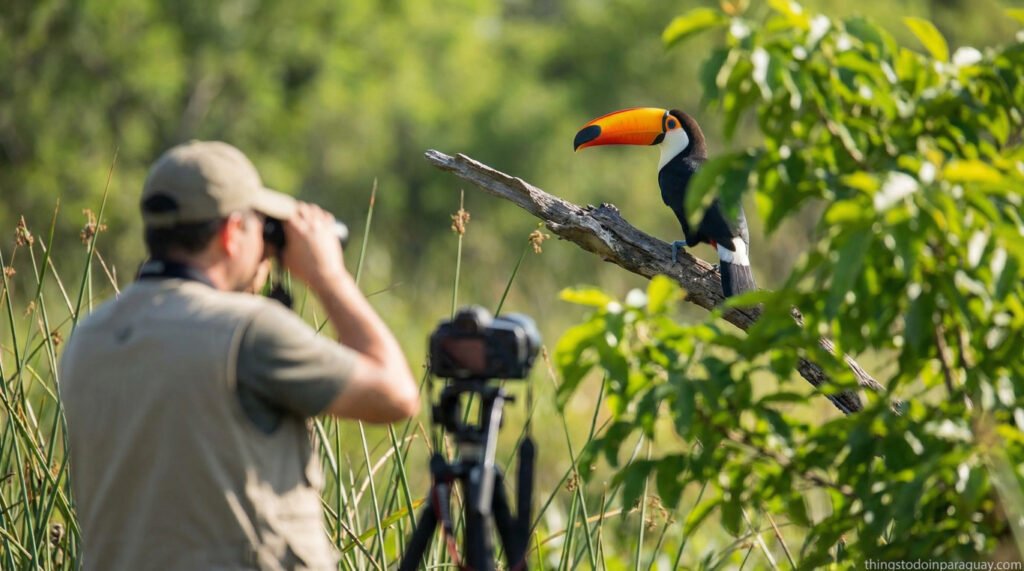
As a photographer-led agency, we understand light. We know you aren’t just looking with binoculars; you are looking through a lens. We position you for the best angles and exercise the patience needed to get the shot.
We don’t operate on “tourist time”; we operate on “bird time.” We are ready to leave before dawn to catch the morning chorus when activity is highest.
Many of the best sightings happen on private lands or protected reserves (like Taguató or Mbaracayú). We handle the permits and entry fees so you can walk freely.
Duration: Flexible.
Half Day: Asunción Bay (4 hours).
Full Day: Arroyos y Esteros or nearby forests (10 hours).
Expedition: Chaco or Atlantic Forest (2-3 Days).
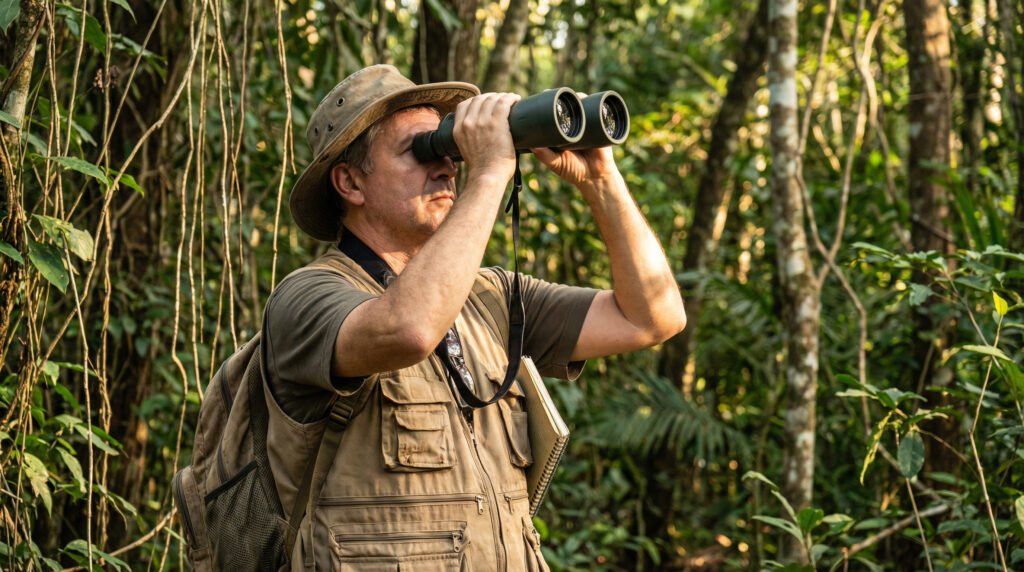
Gear: Binoculars are essential. For photographers, a lens of 300mm+ is recommended.
Clothing: Earth tones (green/brown) to blend in. Long sleeves/pants for insect protection are mandatory.
Transport: 4×4 Vehicle (Essential for Chaco/Forest access).
We believe that a great experience starts with clear communication. Traveling to a new country involves many details, and we want you to feel 100% confident before you book. Below, we have answered the most common questions travelers ask us regarding our safety standards, logistics, and service quality. If you don’t see your question here, we are just a message away.
Spring (September to November) is peak season. The birds are breeding, vocal, and active, and the migratory species are arriving. However, the Chaco is excellent year-round due to the open visibility.
Yes, but location and season matter. They are found in the Atlantic Forest remnants (East/North). They are loudest and easiest to locate during the breeding season (Sept-Dec). We can design a specific trip to find them.
No, you can enjoy birding with just binoculars (or even your eyes!). However, if you want high-quality photos, a DSLR/Mirrorless with a zoom lens is recommended. We can sometimes rent gear if requested in advance.
In the deep Chaco, there are Jaguars and Pumas, but they are shy and rarely seen. The main annoyance is insects (mosquitoes/ticks). We provide advice on the best repellents and clothing to keep you comfortable.
Absolutely. You don't need to be an expert. Our guides love teaching beginners how to use binoculars and how to identify birds by their call. It is a relaxing, meditative experience.
Yes. We can provide a digital or printed checklist of the most common birds in the region we are visiting so you can mark off your sightings.
It depends on the location. Asunción Bay is flat and easy. The Atlantic Forest requires hiking on uneven trails. The Chaco is flat but hot. We adjust the physical level to your ability.
Light rain is fine (birds often love the calm after rain), but heavy storms make birding difficult. In case of severe weather, we try to reschedule or focus on areas with better forecasts.
Still have a question? Every traveler is unique, and sometimes you have a specific request that isn’t on the list. Don’t worry—we specialize in custom solutions.
Contact Us directly, and we will answer your specific questions within 24 hours.
Whether you are chasing a rare lifer for your list or just want to hear the morning song of the jungle, Paraguay is ready to perform.
Pack your binoculars. Let us handle the map.