
Before it became a global superfood trend, it was the sacred drink of the Guaraní. Travel to the “Green Gold” region of Paraguay to walk the fields, smell the toasted leaves, and master the art of the perfect brew.
Yerba Mate is conquering the world. From the locker rooms of World Cup champions like Messi to the shelves of health food stores in California, everyone wants the “Mate energy.”
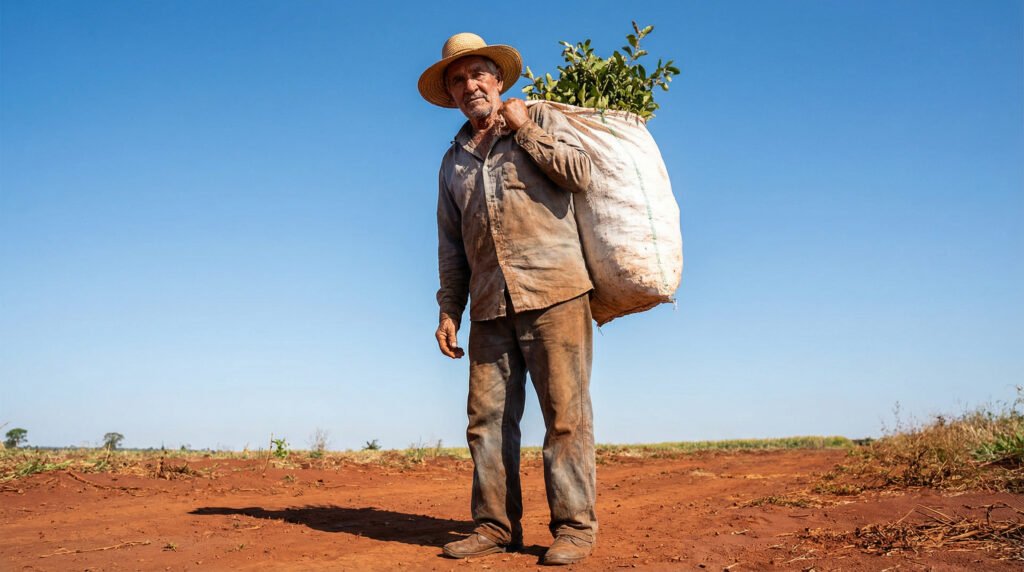
But drinking it from a can is not the same as understanding its soul. The true magic happens here, in the red soil of Paraguay, where the Jesuits first domesticated the plant 400 years ago. This isn’t just a farm tour; it’s a pilgrimage to the birthplace of a culture.
Navigating the rural “Ka’a Rape” (Yerba Mate Route) requires planning. The best plantations—like Pajarito or Selecta—are located in the German colonies of the south (Bella Vista).
We curate the entire journey. We provide comfortable, long-distance transport to get you there rested. We secure the private guided tours inside the factories (which often require appointments), and we translate the technical agricultural Spanish into engaging stories about sustainability and tradition.
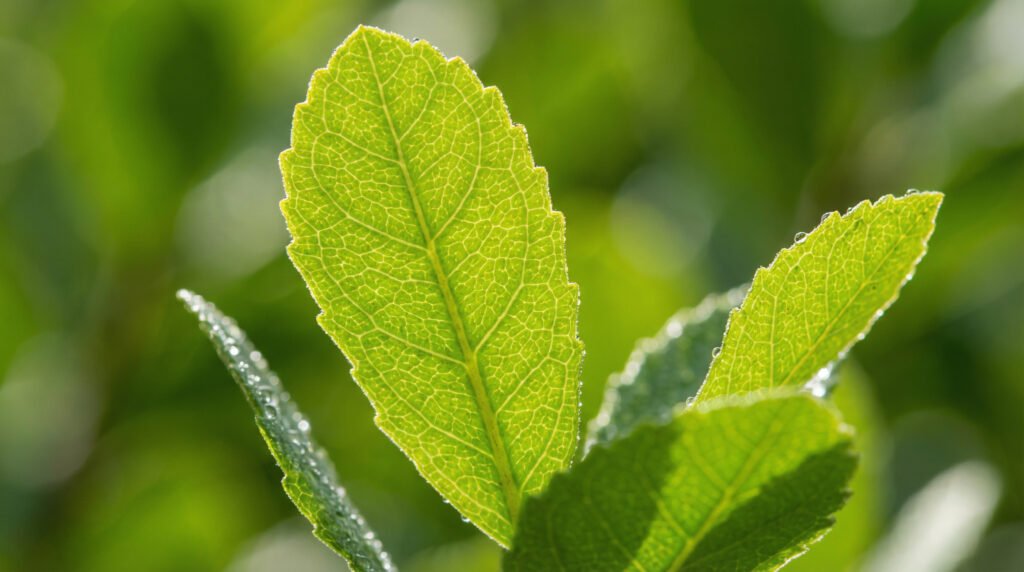
Life begins as a tiny sprout. We visit the nurseries (viveros) to see how the clones are selected for the best flavor. You will learn why the combination of Paraguayan sun and red earth creates a flavor profile that cannot be replicated anywhere else in the world.
This is the sensory highlight. We enter the drying facilities. For traditional brands, you will smell the intense, smoky aroma of the Barbacuá—the wood-fired drying process that gives artisanal Yerba its distinct character. It is an ancient technique that feels like stepping back in time.
You cannot leave without tasting. We sit down for a professional tasting session. You will learn to distinguish between “aged” yerba (suave) and “fresh” yerba. You will learn the only correct way to prepare a Tereré (cold) and a Mate (hot), a skill you will take home forever.
Since this tour takes us to the South (Itapúa), it pairs perfectly with the Jesuit Ruins Tour. We often recommend doing both over 2 days for the ultimate cultural immersion.
This tour appeals to the health-conscious. We discuss the antioxidants, the natural caffeine (Mateine), and the organic certification processes. It is educational and inspiring for anyone interested in nutrition.
We visit the factory boutiques. This is your chance to buy premium, export-quality Yerba, mate gourds, and even Mate-flavored chocolates or liqueurs that you cannot find in regular supermarkets.
Duration: Full Day (approx. 12+ hours) or Overnight.
Location: Bella Vista / Colonias Unidas (approx. 400km from Asunción).
Best Season: Harvest season (May to August) is the most active time to see workers in the fields, but the factories and museums are open year-round.
Transport: Private Premium SUV (Essential for the long highway drive).
We believe that a great experience starts with clear communication. Traveling to a new country involves many details, and we want you to feel 100% confident before you book. Below, we have answered the most common questions travelers ask us regarding our safety standards, logistics, and service quality. If you don’t see your question here, we are just a message away.
It is similar, but the effect is different. Users describe it as a "gentle" energy without the jitters or the crash of coffee. On the tour, the guides explain the chemical differences and health benefits in detail.
Yes! The factory shops sell beautiful, authentic kits including the Guampa (cup), Bombilla (metal straw), and Termo. It is the best place to buy a high-quality set.
Yes, it is a long drive (approx. 5-6 hours each way). We highly recommend making this a 2-Day Trip combined with the Jesuit Ruins or staying in a hotel in Bella Vista to relax. However, if you are short on time, we can do it in one marathon day with an early start (5 AM).
Absolutely. The tasting is designed for beginners. We start with milder blends so you aren't overwhelmed by the bitterness.
The educational part about nature is great, but the factory tour can be a bit long/technical for small kids. We recommend it for teenagers or adults interested in agriculture or food science.
The factory guides often speak only Spanish or German (it is a German colony). That is why our service is essential—we provide the English translation so you don't miss any details.
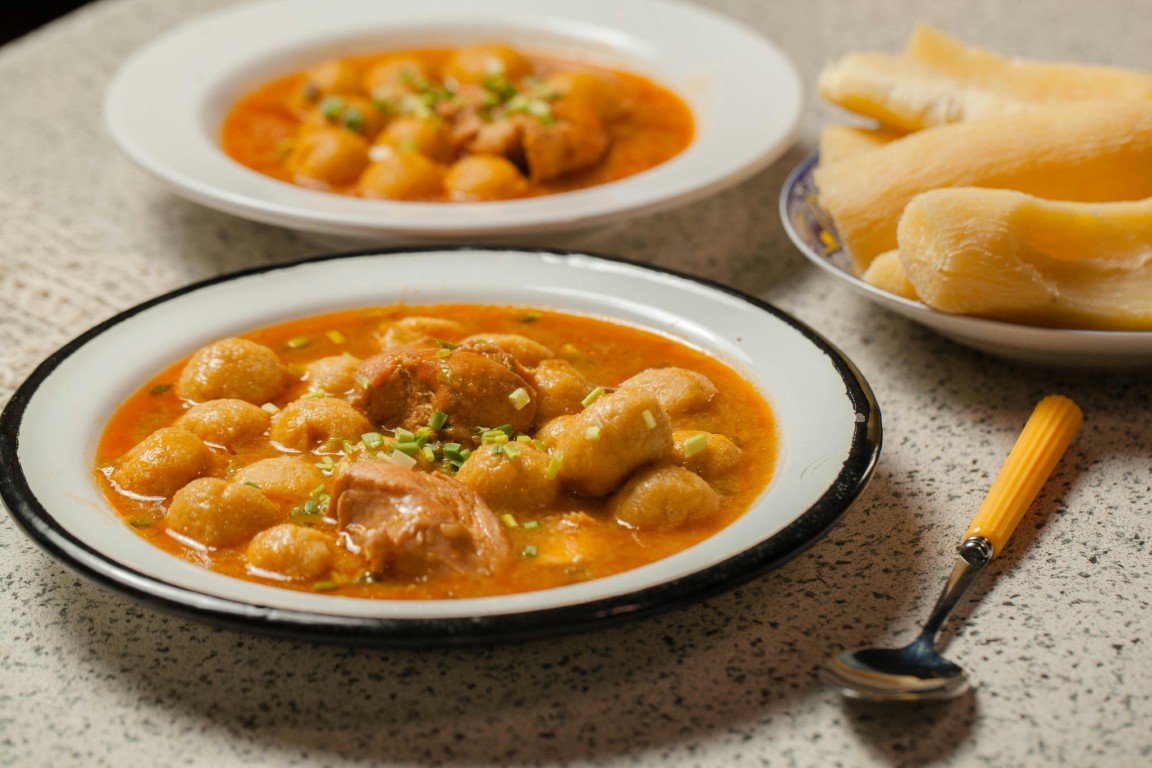
No, but we stop at excellent restaurants in the German colonies. You can try local fusion dishes, like sausages with mandioca.
Only if you visit during the harvest months (typically winter: May-August). During the rest of the year, we see the nursery and the industrial packaging/drying process, which is still fascinating.
Still have a question? Every traveler is unique, and sometimes you have a specific request that isn’t on the list. Don’t worry—we specialize in custom solutions.
Contact Us directly, and we will answer your specific questions within 24 hours.
Stop buying expensive cans of “Mate Tea” abroad. Come to the source. Walk the red earth, meet the farmers, and discover why this plant is the pride of Paraguay.
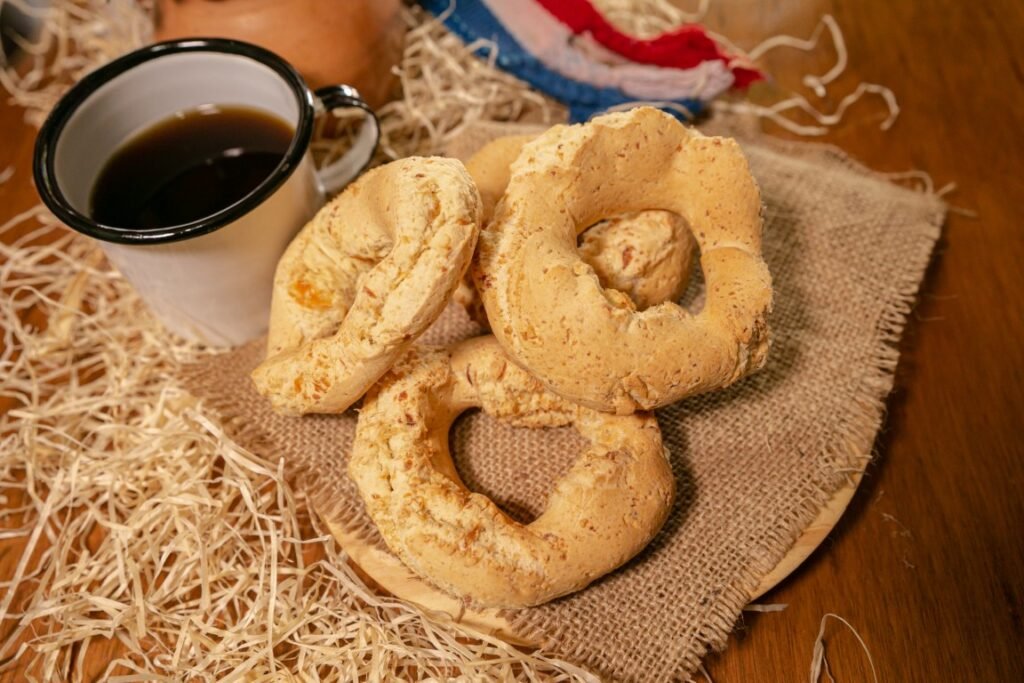
Souvenirs should be stories, not just objects. Skip the airport gift shops and mass-produced magnets. We take you directly to the source—to the markets and workshops where master artisans weave, carve, and forge the soul of the country.
Every tourist wants to bring something home. But in Asunción, it is easy to be fooled. Many shops sell industrial reproductions claiming to be handmade.
True Paraguayan luxury is quiet. It is found in the intricate spiderweb patterns of Ñandutí that take weeks to weave. It is in the delicate silver threads of Filigrana. Finding these authentic pieces at a fair price—without getting lost in the overwhelming maze of the markets—requires a local eye.
You want a memento that lasts a lifetime, not something that breaks in your suitcase.
We are your bridge to the culture. We guide you through the historic artisan corridors (like La Recova or specialized stalls in the Old City) where the trade has been passed down for generations.
Our goal is twofold: Quality for you, and fair prices for the artist. We help you negotiate a price that respects the work while ensuring you don’t pay the “gringo tax.” We translate the meaning behind the symbols so you know the story of what you are buying.
Paraguay’s most famous export. Ñandutí (Guarani for “Spider Web”) is a colorful, intricate lace that can be framed as art or worn. Ao Po’i is the breathable, elegant embroidered cotton used for shirts and dresses. We help you distinguish between machine-made copies and the true hand-woven masterpieces.
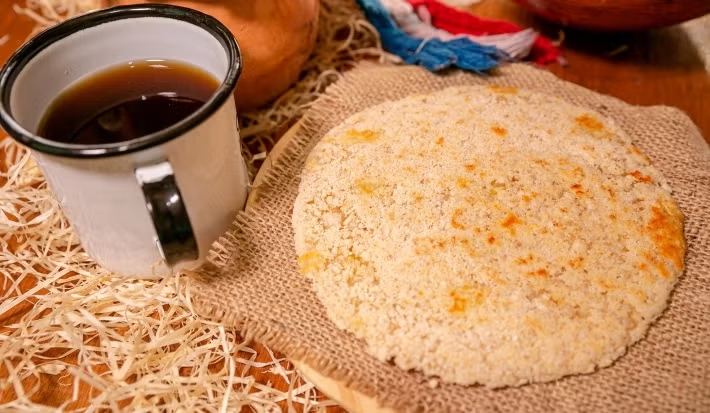
Luque (near Asunción) is famous for filigree—silver spun into threads thinner than hair. We guide you to the trusted jewelers where you can buy earrings, pendants, and bracelets that look like frozen lace.
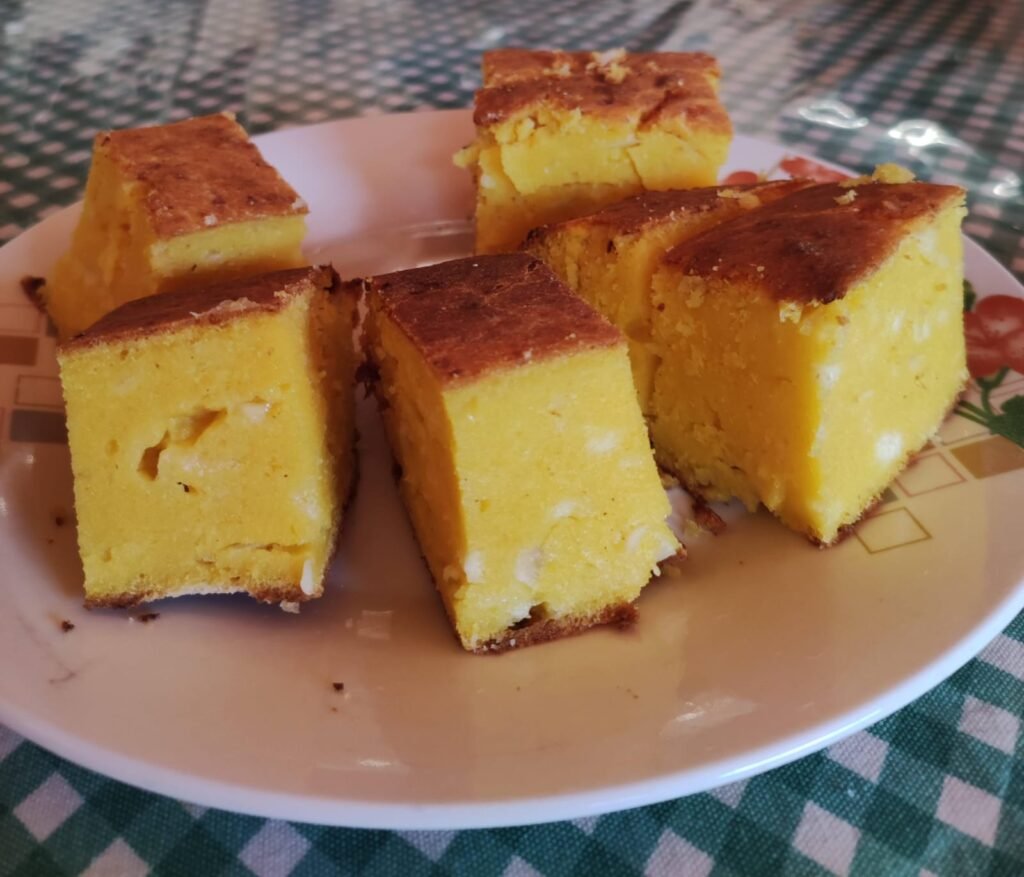
The Termo (Thermos) is the national accessory of Paraguay. We help you design a custom, hand-tooled leather thermos and Guampa (cup) set, often personalized with your name or logo on the spot. It is the ultimate functional souvenir.
From the surreal ceramic hens of “La Pote” to the sacred wood carvings of the missions. We find the pieces that fit your suitcase and your home decor.
A souvenir is just an object until you know its story. We explain the Guarani legends behind the patterns. You aren’t just buying a tablecloth; you are buying the legend of the spider who taught a woman to weave.
Artisan markets can be hot, crowded, and confusing. We provide door-to-door air-conditioned transport. We carry the bags. We keep you hydrated. You focus on the beauty.
Want a leather bag with your initials? Want a specific color of lace? We know which artisans accept custom commissions and can help you place an order on the spot.
Duration: 3 hours.
Pickup: Hotel or Airbnb in Asunción.
Best Time: Mornings (9:00 AM) are best for market activity.
Transport: Private Vehicle.
We believe that a great experience starts with clear communication. Traveling to a new country involves many details, and we want you to feel 100% confident before you book. Below, we have answered the most common questions travelers ask us regarding our safety standards, logistics, and service quality. If you don’t see your question here, we are just a message away.
Many of the established stalls in La Recova do, but the smaller, more authentic artisans often deal only in cash (Guaraníes). We will stop at an ATM beforehand and advise you on how much cash to carry.
Yes, but with respect. Unlike some cultures where aggressive haggling is a sport, in Paraguay, it is softer. We will guide you on what is a "fair offer" so you get a good deal without insulting the artist.
Yes. Processed leather, silver, and textiles are generally safe for entry into the USA, Europe, and Asia. We avoid raw wood or animal products that might cause issues at borders.
Pottery and Filigree can be delicate. We advise you on how to pack them safely for a flight, or we can help you find bubble wrap and packaging materials during the tour.
Yes. If you are looking for export quantities, we can act as a translator to help you establish a business relationship with the artisans.
Absolutely. Many leather workers can emboss your name or a specific design onto a Thermos or bag within 30-60 minutes while we wait or have lunch.
Yes, kids often find the colorful markets fascinating, especially watching the artisans at work. However, the markets are not stroller-friendly, so be prepared to walk.
That is perfectly fine. The tour is a cultural experience in itself. Seeing the craftsmanship and meeting the people is worth the trip, even if you return empty-handed.
Still have a question? Every traveler is unique, and sometimes you have a specific request that isn’t on the list. Don’t worry—we specialize in custom solutions.
Contact Us directly, and we will answer your specific questions within 24 hours.
Your home deserves art that tells a story. Support local artists and find the treasure that will always remind you of the warmth of Paraguay.